Home
About
Advertise with Us
Contact
Newsletter
Login
SignUp
Arts & Events
Capital Comedy Review
Sports
Health
Food & Wine
Travel
Politics
Building a Smoke-Free Canada
Misogyny Matters
Correct Me If I’m Wrong
Kazakhstan / Canada
Election Outlook 2019
Canada’s Energy Economy
Reviews
Music
Film
Auto
Restaurant
Theatre
Ottawa Business Portal
Holiday Best Picks
Best of Ottawa
Homes/Real Estate
My Ottawa
Blog page
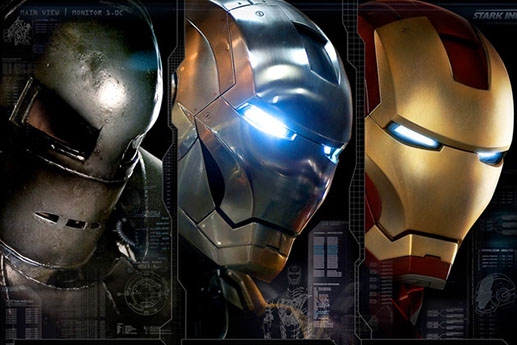
Putting the “Science” in “Science Fiction” – Iron Man 2
I have discussed Marvel's armored superhero Iron Man, and the current attempts to create working robotic exoskeletons and suits of powered armor that mirrored his signature suit. I examined several models of exoskeleton that were already in production, and discussed possible uses for this technology if it became ready for
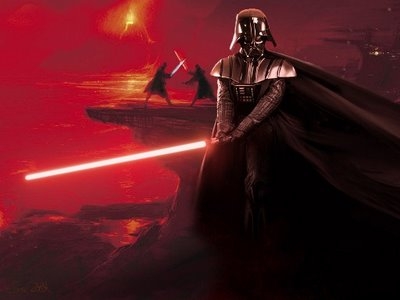
Putting the “Science” in “Science Fiction”: Lightsabers
The lightsaber is the primary weapon of the Jedi Knights and their Sith counterparts, and one of the most iconic weapons in science-fiction. The lightsaber shares traits of sci-fi technology with the romantic idea of the saber duel, using advanced technology to create a weapon with a blade of pure
Putting the “Science” in “Science Fiction” – Daredevil
Matt Murdock, the man who would become the costumed superhero named Daredevil, started life as an ordinary man. One day, Matt saw a truck about to run over an old man who was crossing the road. He leapt into action and pulled the man out of the way, but as
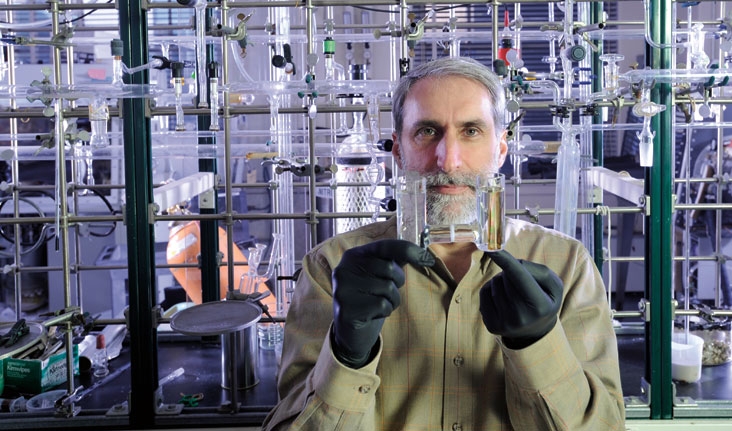
Putting the “Science” in “Science Fiction” – Hydrogen Power, Part 3
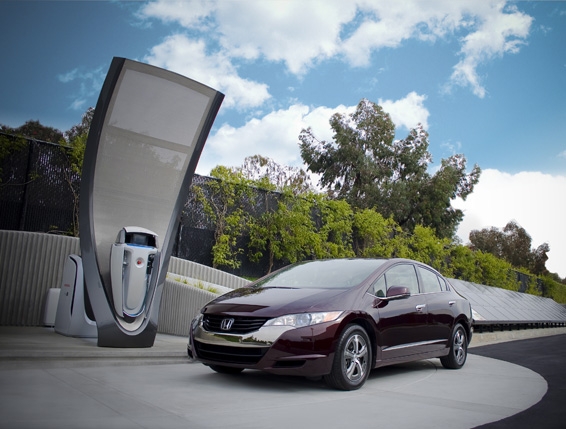
I have discussed the potential benefits and limitations of hydrogen power in my two previous blogs, showing how the transition to hydrogen power shows great potential for the creation of a greener future and the issues that will need to be overcome in order to allow a hydrogen economy to
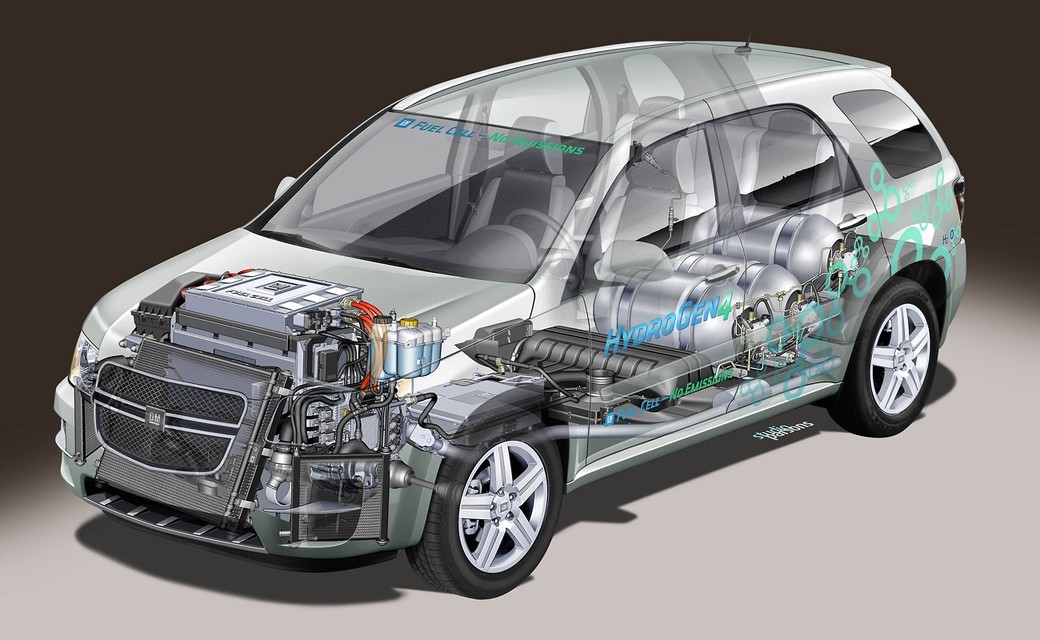
Putting the “Science” in “Science Fiction”: Hydrogen Power, Part 2
In last week's blog, I talked about the many possibilities offered by using combustible hydrogen as a power source for cars and other vehicles. Hydrogen holds a great deal of promise for use in this manner, but there is another entirely different way of drawing energy from hydrogen. This method
Putting the “Science” in “Science Fiction”- Hydrogen Power, Part 1
Most science-fiction series show a world with easy access to all the energy it needs to run its devices, but the situation in the real world is far from that ideal. Over the past decade, growing numbers of people are becoming concerned about modern society's reliance on fossil fuels –
Putting the “Science” in “Science Fiction”: Zeppelins and Airships
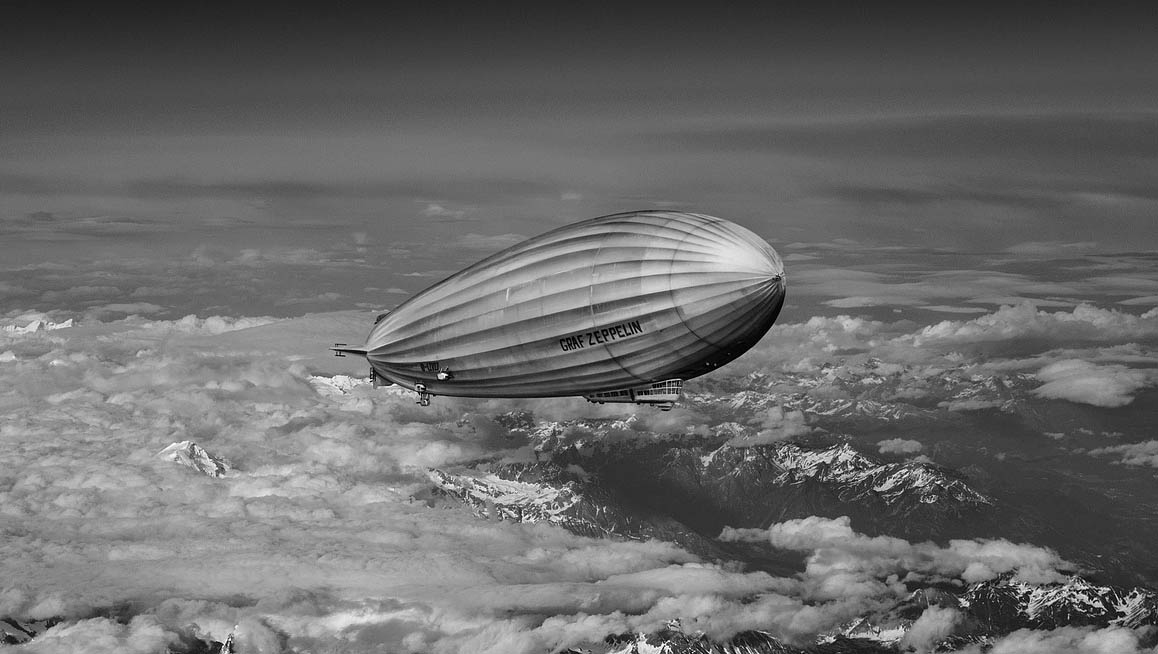
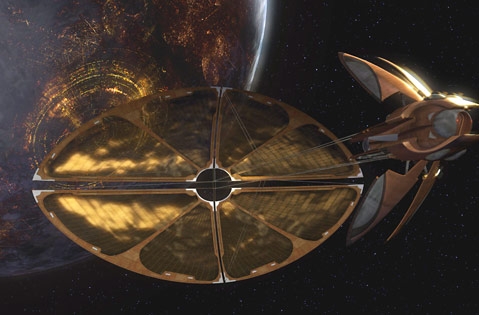
The zeppelin – also known as the blimp, dirigible or airship – is a common vehicle in science-fiction. The steampunk and dieselpunk sub-genres are especially known for a love of zeppelins, with science-fiction series like Airborne and Leviathan being set primarily aboard these vessels. Unlike most other science-fiction technologies, the
Putting the “Science” in “Science Fiction” – Kang the Conqueror
Kang the Conqueror is a character from the Marvel Comics universe who hails from the 30th century. He is a genius with machinery and military tactics, and has access to the most advanced military technology that his age offers. Of all the devices at Kang's disposal, perhaps the most impressive
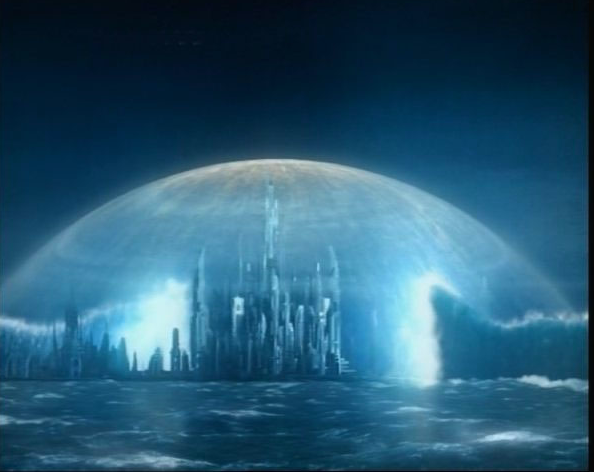
Putting the “Science” in “Science Fiction”: The Stargate
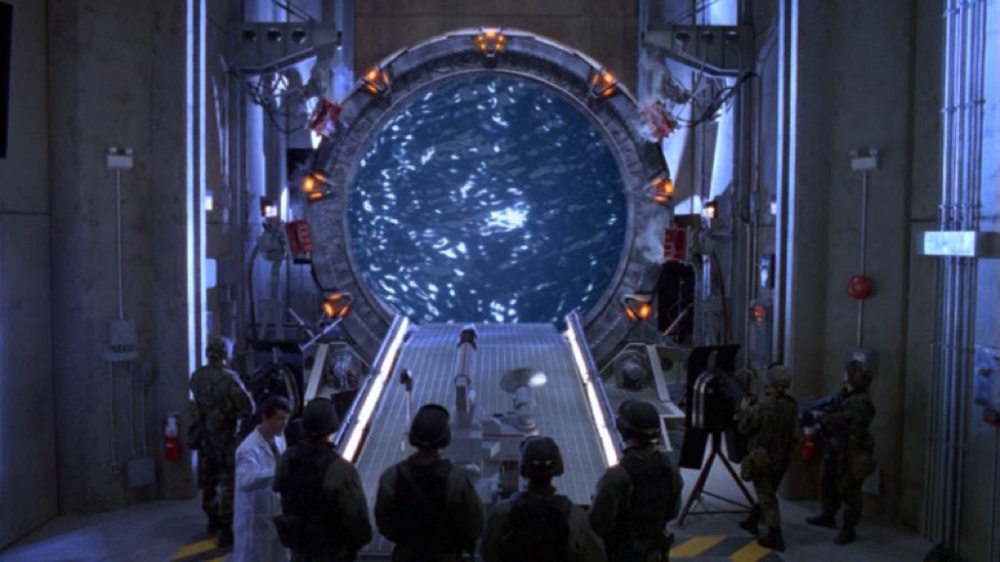
In my last blog, I discussed the ideas of teleportation, and some of the issues that are preventing that much desired technology from becoming feasible. Although there are many hurdles that would need to be overcome before teleportation becomes possible, if it ever does, science fiction offers another idea of
Putting the “Science” in “Science Fiction” – The Holodeck
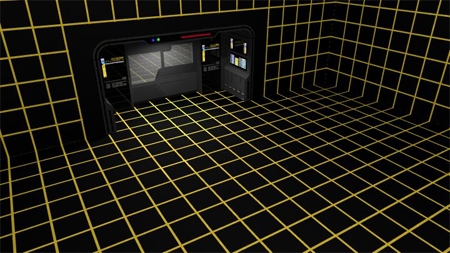
I discussed the potential future uses of holograms in my last blog. Although holograms have many uses in prototyping, communications and medical treatment, it is likely that mass-produced holographic technology would be mainly used for entertainment. The ultimate expression of this idea is the holodeck from the Star Trek series.
Putting the "Science" in "Science Fiction": Transformers 1 – Adjustable Vehicles
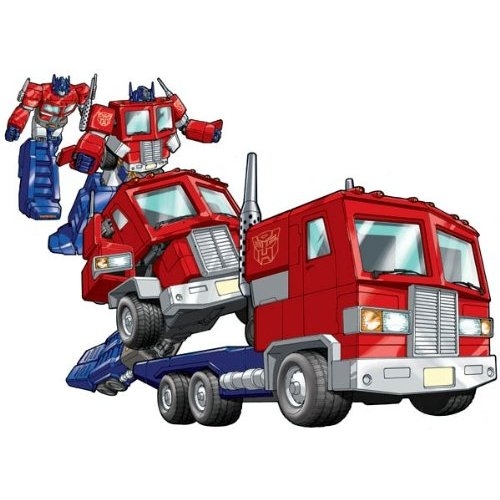
Although they were made popular in the west by the Transformers television series that first aired in 1984, the idea of vehicles that could change into giant robots had already appeared in the Japanese Macross series, later be released in the United States as Robotech. Much of Robotech’s fame came
Putting the "Science" in "Science Fiction": Bane
Bane, often known as "the man who broke the bat," is one of Batman's deadliest foes. The villain earned his nickname by breaking Batman's spine and leaving him as a paraplegic for a period of time, becoming the only villain who has ever immobilized Batman. Besides being a master martial
Putting the “Science” in “Science Fiction” – Space Travel 3: Other Potential Engines
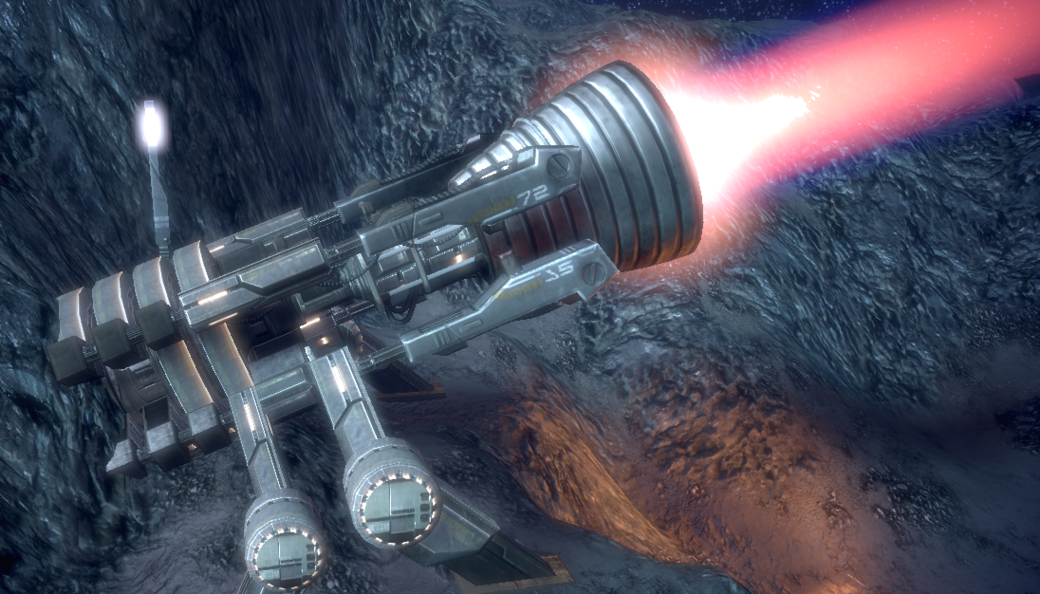
In the previous two blogs in this series, I examined ion engines and plasma engines – two technologies that have a great deal of potential for powering the spacecraft of the future. Although these two engine types attract a great deal of attention and research, a wide range of other
Putting the “Science” in “Science Fiction” – Space Travel 2: Plasma Engine
In my previous blog, I wrote about the ion engine, one of the main avenues of research into alternative methods of space flight. There has been a great deal of research into ion engines, but scientists are examining other technologies that would allow “warp drive” interplanetary and interstellar travel. One
Putting the “Science” in “Science Fiction” – Space Travel 1: Ion Engine
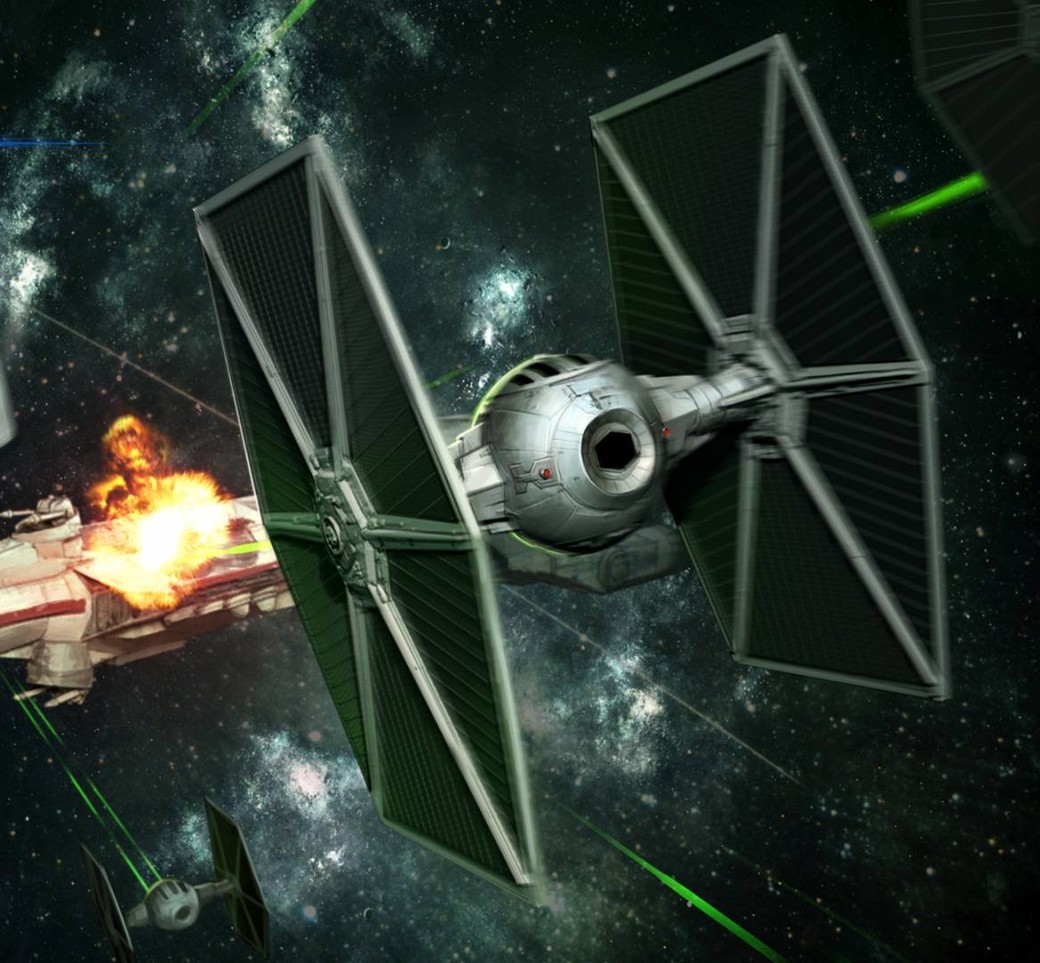
Science fiction is filled with high-tech spacecraft that soar through space and battle each other at high speeds. The advanced engines used in science-fiction allow these spaceships to maneuver like modern aircraft in space, changing direction quickly and even performing complex combat maneuvers. The reality of space travel is currently
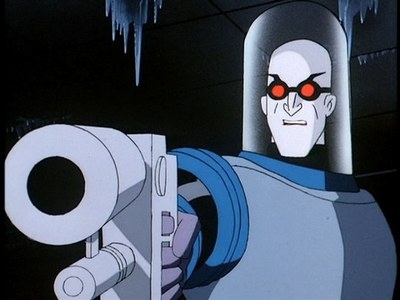
Putting the “Science” in “Science Fiction” – Mr. Freeze
Mr. Freeze is a popular villain from the Batman series, known as much for his tragic back story as his ice-based weaponry. Like many comic book characters, many changes to his origins have evolved over time but the best-loved version is that he was originally a cryogenic researcher named Victor
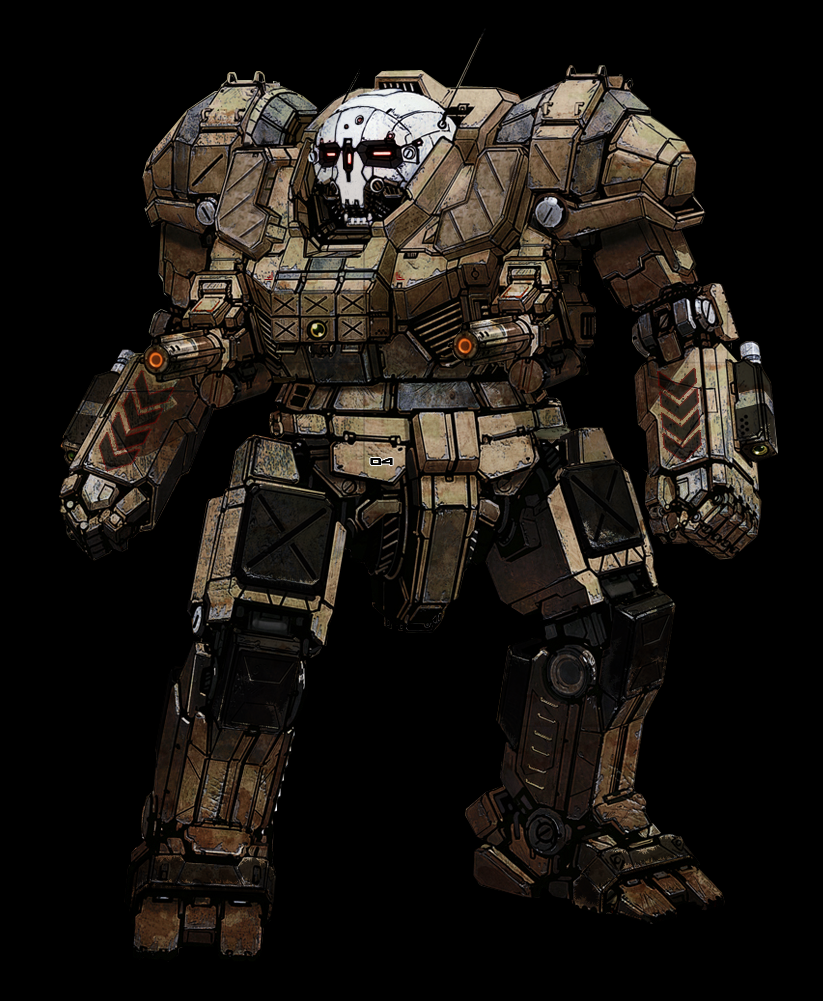
Putting the “Science” in “Science Fiction” – Giant Robots
One of the most pervasive figures in technology throughout the history of science-fiction is the giant robot. Although they may be impractical in the real world, there is something about giant walking machines that captures the awe and imagination of people around the world. From H.G. Wells’ Martian tripods to
Putting the “Science” in “Science Fiction” – Judge Dredd
Judge Dredd, the protagonist of the comic and films that share his name, is a law enforcement officer in a world filled with high-tech devices. Although technological wonders like fully autonomous robots, anti-gravity vehicles and portable laser weapons are common, likely the best-known device in the series is the Lawgiver Mk. II. The
Putting the “Science” in “Science Fiction” – Energy Barriers
In many works of science-fiction, people use walls of dangerous energy to protect important areas, contain prisoners and even protect starships from attack. These energy barriers are similar to force fields, but are different because they are made up of energy, that is harmful to whatever touches it and offers protection by disintegrating
Putting the “Science” in “Science Fiction” – Violet Incredible
Violet Incredible, one of the titular characters of Disney's film The Incredibles, shares a number of powers with the Invisible Woman. She uses her powers throughout the film and, though her ability to become invisible is useful, the power she uses the most is the ability to create force fields.
Putting the “Science” in “Science Fiction” – Nanotech Part 2: Medical Nanotech
In an earlier blog, I discussed the field of nanotechnology – the science of manipulating matter on the molecular and atomic scales. Nanotechnology, or nanotech for short, is a field of study that is growing rapidly, and promises to have many far-reaching applications for improving daily life. Although many industries
Putting the “Science” in “Science Fiction” – Electro
Maxwell Dillon is a criminal from the Marvel Universe who took the name Electro after he gained the ability to manipulate electricity. The villain can generate electricity within his body and use it to shock his victims by touch, launch bolts of lightning and control machinery. Electro has used his powers to fight
Putting the “Science” in “Science Fiction” – Nanotechnology Part 1
Miniaturization is a common goal when it comes to improving modern technology, and involves making more advanced models of devices smaller than their predecessors. The main reason to pursue this goal is that smaller devices are easier to transport and work with than larger ones, and as technology increases, the smaller size comes without
Putting the “Science” in “Science Fiction” – Scarecrow
Scarecrow is a villain from the DC Comics universe who often fights Batman and his allies. Scarecrow had a PHD in psychology and was an expert in the study of fear before he decided to use his talents to commit crimes. His primary weapon is a fear toxin he created
Putting the “Science” into “Science Fiction” – Virtual Reality
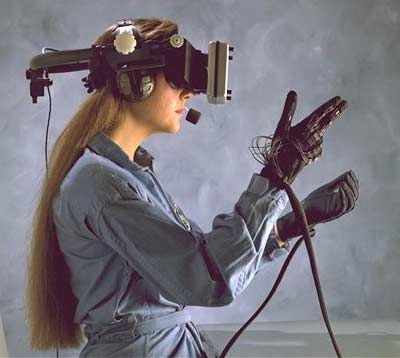
Virtual reality is a common fact of life in many works of science-fiction, allowing people to enter into a computer-generated world and interact with it as if the virtual world was just as authentic as the real one. The simulated worlds these virtual reality (or VR) systems create are often
Previous
1
2
3
Next
Non-GamStop casino
Terms & Conditions
Privacy Policy