
How to Prepare Your Gums and Jawbone for Dental Implant Surgery
Thinking about getting dental implants? That’s awesome; implants can give you a strong, healthy smile that feels just like natural teeth. But before the big day, your gums and jawbone need to be in tip-top shape. Don’t worry; it’s not hard, and with the right prep, you’ll be all set.
Your gums and jawbone are the “foundation” for your new teeth.
Just like a house needs a solid base, your implants do too. If your mouth isn’t ready, the implant might not stay in place. That’s why getting your mouth healthy before surgery is super important. Let’s go over what you need to know.
Understand Why Preparation Matters
When it comes to how to prepare your gums and jawbone for dental implant surgery, especially if you’re looking for dental implants Toronto, the first step is understanding why preparation matters.
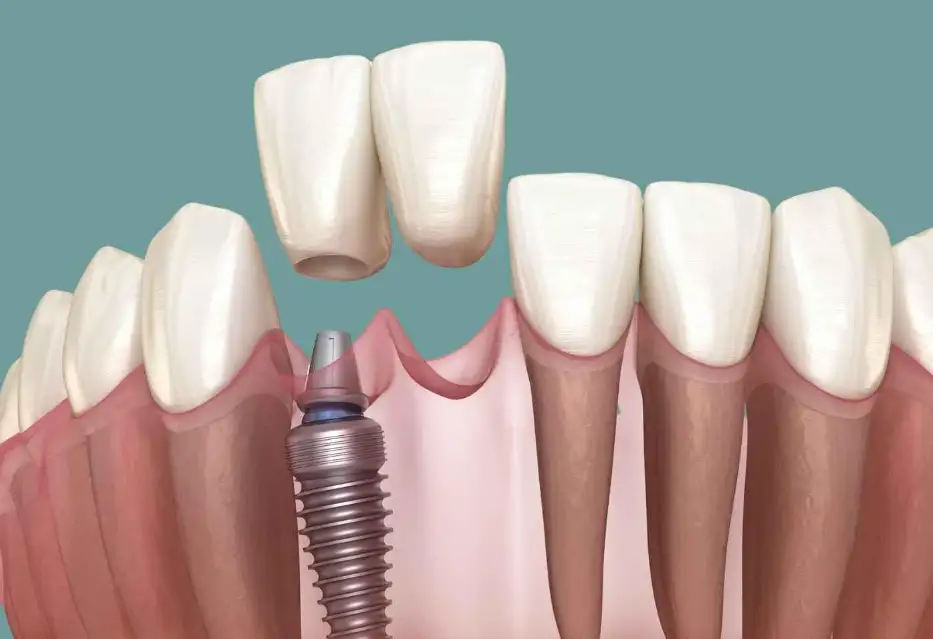
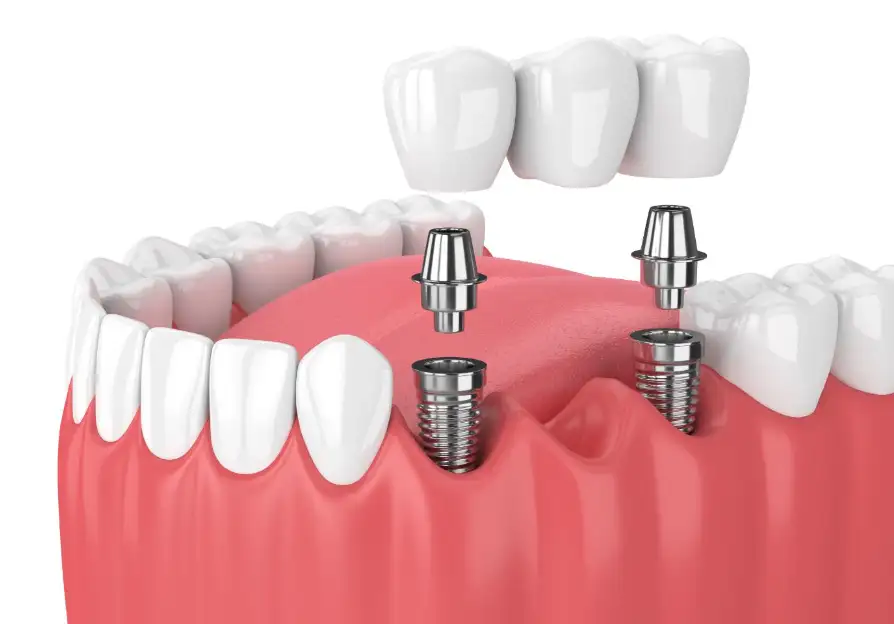
Your gums and jawbone act as the foundation for your new tooth, just like a strong base supports a tall building. If that foundation is weak, the implant may not stay in place, and your smile won’t be as strong as it could be.
Why Healthy Gums Matter
Your gums are like the soft bed where your implant will rest. If your gums are infected, swollen, or bleeding, they can’t support the implant properly. Gum disease can also spread and make it harder for your mouth to heal after surgery.
Before you get implants, your dentist will want to make sure your gums are healthy and free of infection. If they’re not, you might need a cleaning or treatment first. Taking care of your gums now can help prevent pain and problems later.
Why Your Jawbone Needs to Be Strong
The implant isn’t just sitting in your mouth; it’s placed deep into your jawbone, like a screw into wood. That bone needs to be thick and strong enough to hold the implant steady. If the bone is too thin or soft, it could break or fail to support the implant.
Some people lose jawbone strength over time, especially if they’ve been missing teeth for a while. In that case, your dentist might suggest special treatments to rebuild the bone before surgery.
A Little Prep Goes a Long Way
Preparing your gums and jawbone helps make sure your dental implant surgery goes smoothly. With a healthy mouth, your implant is more likely to heal well, feel natural, and last for many years. It’s a small step now that makes a big difference later.
Visit Your Dentist for a Full Checkup
One of the most important parts of how to prepare your gums and jawbone for dental implant surgery is visiting your dentist for a full checkup. This step helps your dentist find any problems early and make sure your mouth is ready for the procedure. T
What Happens During the Checkup
At your checkup, your dentist will take a good look at your teeth, gums, and jaw. They’ll check for signs of gum disease, tooth decay, or anything else that could affect the implant. They may also ask you questions about your health, such as if you have diabetes, take certain medications, or smoke. These things can affect healing after surgery, so it’s important to be honest.
Scans and X-rays
Your dentist will likely take X-rays or 3D scans of your mouth. These images help them see how much jawbone you have and where the implant should go. If your bone looks thin or weak in certain spots, your dentist might suggest a treatment to build it up before surgery. These scans also help plan the exact spot where the implant will be placed, which makes everything safer and more accurate.
Talk About Your Options
This is also a great time to ask questions. Your dentist can walk you through what to expect, how long the healing takes, and what steps you’ll need to follow before and after surgery. The more you know, the better you can prepare; and feel more confident about your decision.
Steps to Strengthen Your Gums and Jawbone
When learning how to prepare your gums and jawbone for dental implant surgery, it’s key to know how to make your mouth stronger before the big day. The good news? You can take simple steps at home (and with your dentist) to get your gums and jawbone ready. A healthy mouth helps your implants last longer and heal better.
Build a Better Brushing Routine
Healthy gums start with clean teeth. Brush your teeth at least twice a day, and be gentle around the gumline. Don’t forget to floss once a day to remove food and plaque between your teeth. This helps keep your gums from getting swollen or infected. Using a soft toothbrush and a toothpaste with fluoride can also help protect your gums and teeth from damage.
Eat Foods That Help Your Mouth
What you eat matters. To make your gums and bones stronger, try to eat foods rich in vitamins and minerals. Foods like yogurt, cheese, leafy greens, and fish are packed with calcium and vitamin D, which help strengthen bones. Crunchy fruits and vegetables; like apples and carrots; also help clean your teeth and keep your gums healthy.
Quit Smoking and Cut Back on Alcohol
If you smoke, now’s the time to quit. Smoking slows down healing and increases the risk of gum disease and implant failure. Cutting back on alcohol is also a good idea, as it can dry out your mouth and make healing harder after surgery.
Ask Your Dentist About Special Treatments
In some cases, your dentist may recommend treatments like deep cleaning or special rinses to improve gum health. If your jawbone is thin or weak, they might also talk to you about options like bone-building treatments before the implant surgery.
Special Procedures Before Implants (If Needed)

As you continue learning how to prepare your gums and jawbone for dental implant surgery, it’s important to know that some people may need special procedures before getting their implants. This might sound a little scary, but don’t worry; these treatments are safe and help your implants stay strong and last longer.
Treating Gum Disease First
If your dentist finds signs of gum disease, that needs to be treated before surgery. Gum disease can cause swelling, bleeding, and even bone loss, which makes it hard for the implant to heal. Treatments may include deep cleaning, special rinses, or medication. Once your gums are healthy, you’ll be ready for the next step.
Bone Grafting to Add Support
Sometimes, the jawbone is too thin or soft to hold an implant. In that case, your dentist may recommend a bone graft. This means adding bone material to your jaw to make it stronger. It can come from your own body or a safe, prepared source. After healing, your jaw will be solid enough to support the implant.
Sinus Lifts and Ridge Expansions
If the implant is going in the upper back part of your mouth, your dentist may suggest a sinus lift. This moves your sinus slightly to make room for more bone. A ridge expansion is done when your jawbone isn’t wide enough, and space needs to be added. These sound complex, but your dentist will guide you through each step.
Healing Before Moving Forward
After any special procedure, your mouth needs time to heal. This healing makes sure your implant has a strong, healthy base. Skipping these steps could lead to problems later, so it’s worth taking the time to get it right.
Conclusion
Getting ready for dental implants is easy when you take care of your gums and jawbone first. A clean, strong mouth helps your new teeth last longer and feel great. Just follow a few simple steps, talk with your dentist, and you’ll be on your way to a perfect smile.