
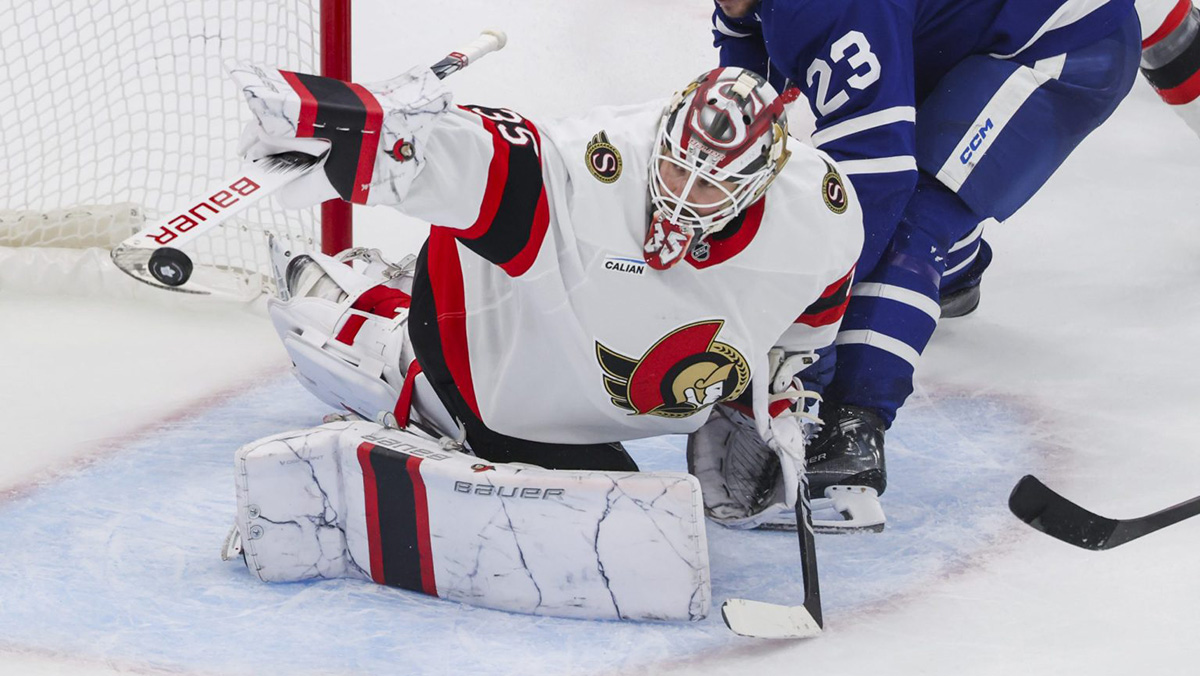
Live Betting on the NHL: Tactics and Risks While Watching the Senators – Where Are the Limits?
The NHL isn’t just hockey. For many fans, especially in Ottawa, it’s a ritual, a weekend plan, and a social event. However, in recent years, another layer of the game-day experience has been growing. It is live betting. While watching the Senators, odds shift from second to second, and the feeling that you might be able to “outsmart the system” often becomes more tempting than the game itself. The best odds and betting sites can be found on betbrothers.ca.
What does live betting mean?
Unlike traditional tickets placed before the match begins, live betting gives you the chance to react to what’s happening on the ice in real time. For example, the Senators are leading 2–0 after the first period. Are the odds on their loss now high enough to be worth the risk? Or, if a key defenseman heads to the bench with an injury, is it the right moment to bet on the opponent?
Tactics That Attract Players
Experienced bettors often turn to what’s known as momentum betting. The idea is to closely follow the rhythm of the game and try to anticipate shifts before the sportsbook algorithms adjust. For instance, two quick penalties can completely change the flow, and if you react fast enough, the odds might not yet reflect it.
Another common approach is hedging, or covering a bet. If you placed money on the Senators before the puck dropped, but notice in the second period that the momentum is swinging the other way, live betting gives you the chance to back the opponent and cut down on a potential loss.
Another tactic some bettors like to use is contrarian betting, going against the crowd. When the Senators string together a few strong performances, fan excitement often inflates the odds on their opponents more than it should. In those moments, a clear-headed bettor might spot value where the majority sees only momentum. On paper, it can feel crazy to bet against a team on a hot streak, but that “against the grain” approach can pay off, since odds don’t always reflect true strength on the ice; they’re also shaped by public sentiment and the volume of bets being placed.
A lesser-known tactic, known as middle betting, occurs when odds shift sufficiently during a game to allow for a profit from both sides of a bet. For example, you might back “over 5.5 goals” before the game, then later grab “under 7.5” when the line looks good. In that window, most final scores would actually deliver profit. It doesn’t come around often, but when it does, it feels like outsmarting the system itself.
Of course, none of these strategies is foolproof. Momentum can be misleading, five minutes of pressure don’t always mean a comeback. Hedging takes discipline, and not everyone is willing to settle for a smaller win in exchange for safety. Middle betting, on the other hand, calls for experience and a cool head, or else it turns into a confusing mess of tickets and overexposure.
Special bets
Special bets (or prop bets/side bets) are wagering options that don’t focus solely on the final outcome of the game, but on small, specific events within the match. In the NHL and live betting, these bets are particularly popular. Examples include betting on who will score the next goal or the number of shots on goal in the next period. People also enjoy betting on the result of the upcoming period, where the odds change quickly, making it exciting. It’s also interesting to predict the number of goals or penalties in the next period.
The Psychology of Live Betting
One of the most fascinating, and often most dangerous, aspects of live betting is the psychological pressure. While watching the Senators, every fast break, goal, or missed shot can push you toward impulsive reactions. It’s easy to forget a basic rule: betting is a tool, not an emotional outlet.
Fans are particularly prone to the sunk cost effect; the more they’ve invested, the harder it is to walk away, even when the odds turn against them. For example, if a ticket was placed before the game and the Senators concede goals in the first period, the urge to “win back” that money can lead to excessive, impulsive bets in the second period. Experienced bettors know that sometimes the smartest move is to simply watch the game, analyse shifts in momentum, and wait for the right opportunities, rather than turning every impulse into a wager.
Live betting also demands constant focus. Rapid changes in odds and unexpected swings mean it’s easy to misread a situation or overestimate your intuition. That’s why many professionals recommend setting clear boundaries in advance, decide how much money you’re willing to risk and how much uncertainty you can handle. This isn’t just about financial safety; it’s also a way to keep betting fun, rather than a source of stress.
Where Are the Limits?
This is where the biggest risk lies. The speed and adrenaline of live betting can easily push players into impulsive decisions. There’s little time for deep statistical analysis or careful planning, emotions take over. For Senators fans in particular, it’s often hard to bet “against your own team,” even when logic suggests it might be the smarter move.
It’s also important to remember that odds aren’t random, they’re driven by advanced algorithms and often adjust faster than the average viewer can react. What might look like a “perfect opportunity” is, in reality, already priced with the bookmaker’s margin built in.
Photo: Courtesy CP