Petit Chablis & Chablis: Understanding the Subtle Differences in Burgundy’s Finest Whites
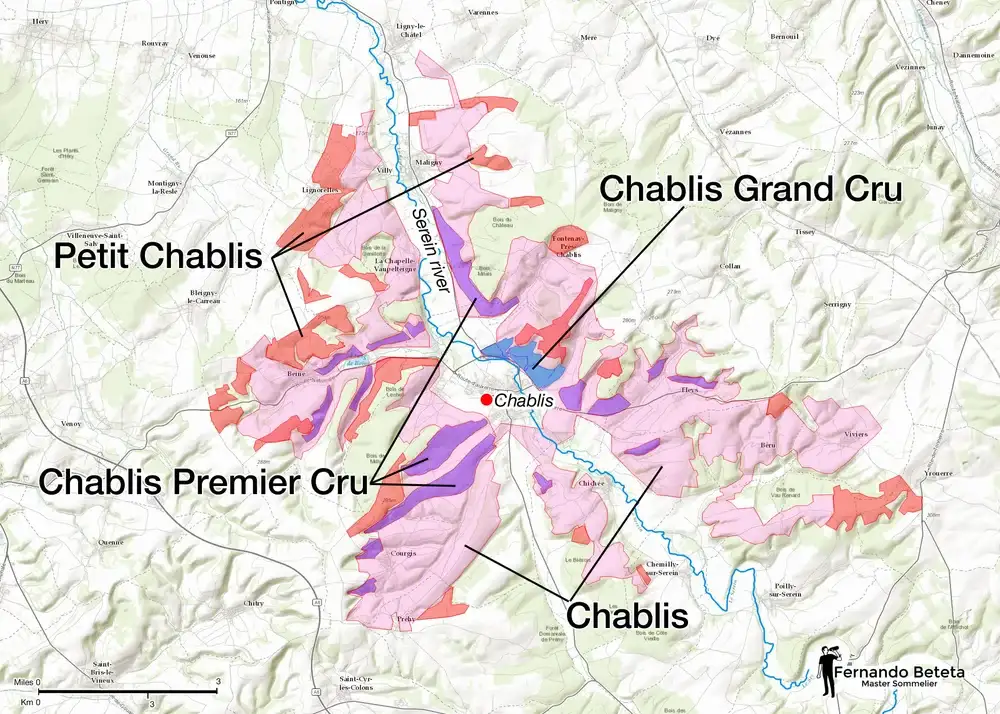
Chablis wines are world famous and are known for their elegance and distinctive qualities. The Chablis region, located in France’s northern Burgundy, is divided into four subdivisions, or recognized appellations: Petit Chablis, Chablis, Chablis Premier Cru and Chablis Grand Cru. This region is a mosaic of terroirs, and this fact is the key to appreciating wines from the different Chablis sub-regions.

You may have wondered what the difference is between Chablis and Petit Chablis. To begin, both are dry white wines made from the Chardonnay grape. However, one of the key attributes that distinguishes these subregions from each other is the soil type. The larger Chablis region, located in the northernmost part of Burgundy, is characterized by its cool climate and unique limestone-rich Kimmeridgian soil. Petit Chablis vineyards are situated around the outskirts of the region, typically on hillsides with less limestone content, where the soil type is Portlandian. These vineyards are located at a different altitude and have different sunlight exposure than the other Chablis vineyards. This difference in terroir contributes to a lighter and less complex wine compared to the more renowned Chablis. The Chardonnay grapes that grow here are used to produce wines that are appreciated for their freshness and straightforward flavours, with a more understated minerality than other Chablis wines. They typically show notes of tree fruit, such as apples and pears, white florals and citrus, underscored by subtle minerality. Another difference is the aging potential; Petit Chablis wines are best drunk young, whereas other Chablis wines can be cellared for several years. Interestingly, climate change has had a beneficial effect on the Petit Chablis vineyards. The grapes now ripen more fully, resulting in a more expressive wine.
I recently tasted two lovely Petit Chablis, which I highly recommend. Both are currently available at the LCBO.

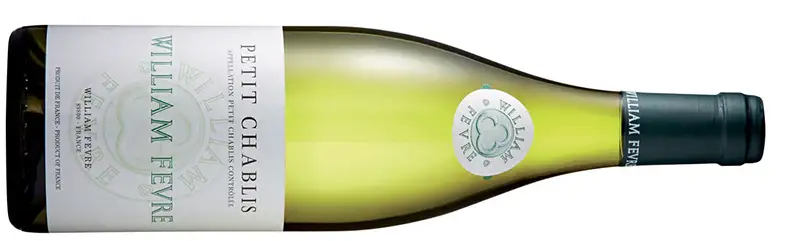
William Fèvre Petit Chablis 2023
Burgundy, France
This is a very delicate expression of Petit Chablis, which still reflects the terroir and winemaking expertise of the Chablisien region. The entire Domaine William Fèvre estate is committed to a complete conversion to organic farming practices by 2025 and has been awarded the highest level of environmental certification. It was made using 100% Chardonnay grapes and the wine was aged for 8 to 10 months in small stainless steel tanks to maintain freshness. It shows notes of apple, pear, lemon zest and slight minerality, with crisp acidity and lingering citrus on the finish. A great example of the fresh and lively style of Petit Chablis that exhibits delicate freshness on the palate. Serve it with steamed mussels in white wine sauce or oysters on ice, or if you’re not a seafood fan, try it with roast chicken or a Cobb salad.
Extra Dry • 12% • LCBO# 30251 • $32
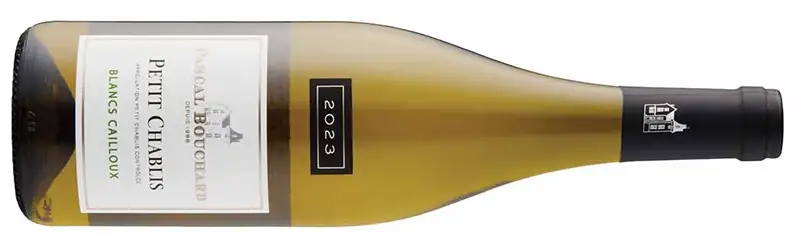
Pascal Bouchard Petit Chablis Blancs Cailloux 2023
Burgundy, France
This wine was crafted from 100% Chardonnay grapes, grown on Calcareous clay soil and Portlandian subsoil. Fermentation took place in temperature-controlled stainless steel tanks, then the wine was aged on lees for approximately 6 months, which preserved the fruit flavours and freshness. Delightful aromas of Rocha pears, lemony citrus and saline minerality greet your nose. The bright palate repeats the fruit notes, with a zippy lemon flavour and minerality in a very crisp mouthfeel. The citrus aspect dominates the prolonged finish, with a touch of minerality, too. Enjoy this wine while it’s young or cellar for 2 or 3 years. This wine is a fantastic match with seafood! Pair it with oysters, a lobster roll, bouillabaise or tempura shrimp. You will be drooling, guaranteed!
Extra Dry • 12.5% • VINTAGES# 45172 • $29.95
Happy Sipping!
For more wine and food discovery from Jane Staples, visit www.bellovinoj.com
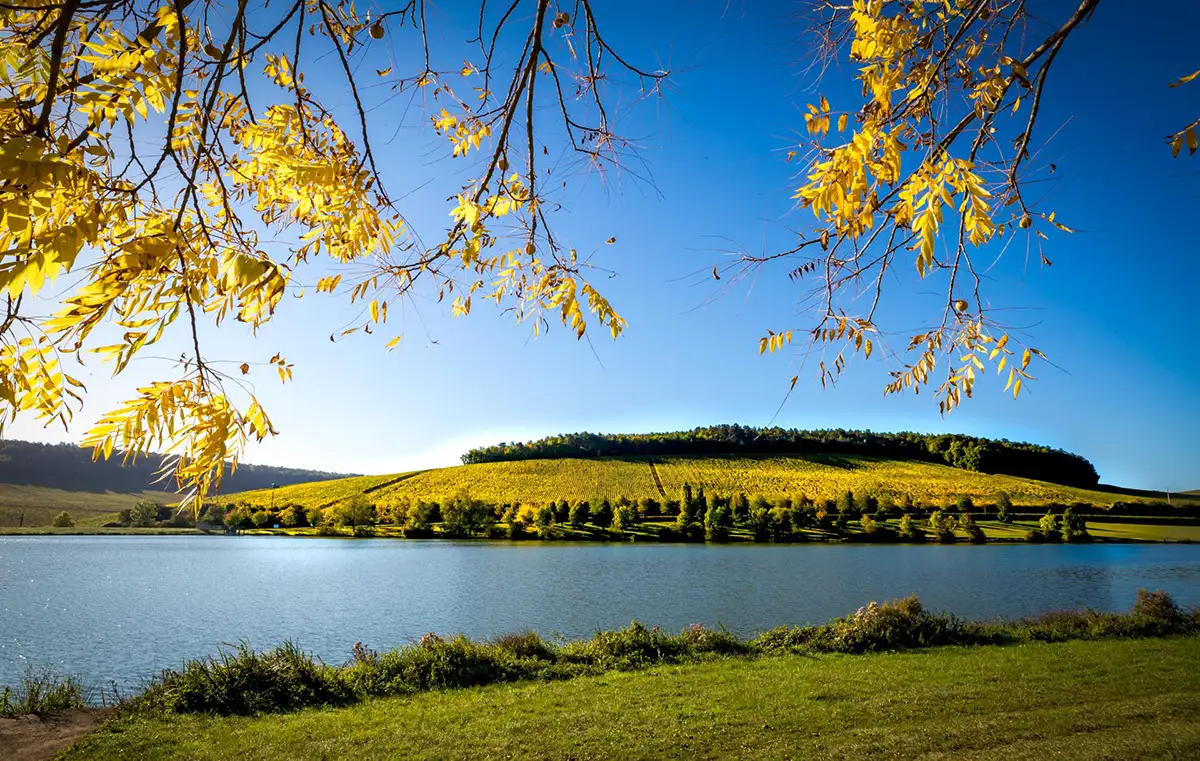
Header Image: Maison Pascal Bouchard. (Photo: Flore Deronzier)