Trump’s Building Walls, China’s Offering Bridges — Canada Should Pay Attention
By Ali Feizi
On October 10, 2025, Chinese Ambassador to Canada Wang Di made a significant offer during an interview with CTV’s Question Period: if Canada removed its tariffs on Chinese electric vehicles, China would lift its own tariffs on Canadian canola and pork. His remarks present a strategic opening for Canada to recalibrate its relationship with one of the world’s largest economies. This moment isn’t about favoring one sector at the expense of another — it’s about embracing a pragmatic course that prioritizes sustainable growth, diversified trade, and long-term national prosperity.
Canada’s agricultural sector, particularly in the Prairies, has been hit hard by trade tensions. The canola industry — a cornerstone of our rural economy — continues to suffer from restricted access to the Chinese market, directly impacting farmers and local communities. Reopening trade with China would restore access to 1.4 billion consumers, stabilize prices, and reaffirm Canada’s reputation as a reliable global supplier of high-quality agricultural products.
A big part of the future of Canada’s auto sector is electric. Isolation from the world’s largest EV market and manufacturing hub is not a strategy for success — it’s a path to irrelevance. Instead of viewing China’s offer as a threat, Canada should see it as a catalyst for collaboration and innovation. China leads the world in battery technology and EV production efficiency. By removing trade barriers, we open the door to joint ventures, technology transfer, and the establishment of manufacturing plants here in Canada — creating high-value jobs and securing our place in the 21st-century auto industry.
Any shift in trade policy — especially one that opens the door to deeper EV collaboration with China — must be matched by robust safeguards for Canadian industry. That means targeted federal investment, strategic incentives for innovation, and a clear roadmap to ensure our manufacturers can compete and thrive. Pragmatism doesn’t mean outsourcing our future; it means forging partnerships that reinforce domestic capacity, drive technological growth, and create high-value jobs here at home. If Canada is serious about building a competitive EV supply chain, we need to engage globally while doubling down on support for our own producers.
It’s also important to recognize that Canada’s decision to impose EV tariffs was largely made to align with Washington’s trade policy — a move that, as former Ambassador Guy Saint-Jacques noted, has yielded little benefit for us. Canada’s national interest must come first. We are a trading nation, and our prosperity has always depended on building bridges, not walls. While our relationship with the United States is essential, a sovereign Canada must be free to cultivate its own economic partnerships based on mutual benefit.
Ambassador Wang’s offer is a demonstration of China’s willingness to engage in good faith and de-escalate trade tensions. It is a practical, reciprocal proposal that addresses a specific Canadian concern in return for a change in a Canadian policy. This is how mature nations manage their economic relationships.
Ambassador Wang’s offer signals a willingness to engage constructively and reduce trade tensions. It presents a practical, reciprocal path forward — one that addresses key concerns on both sides. With Foreign Affairs Minister Anita Anand having just concluded her visit to China, Canada now has a timely opportunity to respond with clarity and purpose. By accepting this deal, the government can:
• Immediately revitalize our struggling agricultural sector
• Position our auto industry for the future through engagement, not protectionism
• Strengthen Canada’s economic sovereignty by making independent decisions that benefit our workers, farmers, and businesses
This is a critical moment for Canadian leadership. Let us choose a path of economic growth, cross-sector prosperity, and a stable, productive relationship with one of the world’s most important economies. The well-being of Canadians across all sectors depends on it.
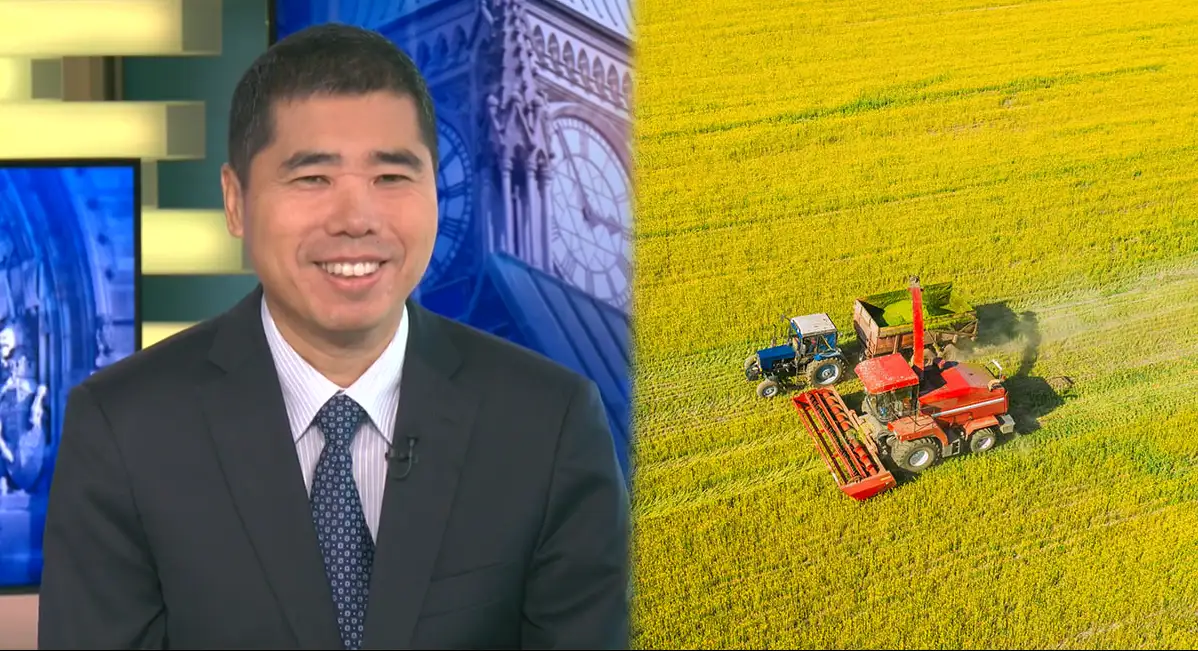
Image: CTV Question Period Screen Grab. Canola image, iStock