
• By: Allen Brown

How to Help a Teenager With Panic Attacks: Treatment Options and Support

Watching a teenager struggle with panic attacks can feel overwhelming, but the right support and treatment can make a real difference. Teens can learn to manage panic attacks through a mix of coping strategies, therapy, and in some cases, medication. If they take the right approach, they can learn how to manage symptoms and minimize their impact on their daily life.

Panic attacks often appear suddenly, leaving teens feeling out of control and parents unsure of how to help. By understanding what panic attacks are and why they happen, families can respond with calm, effective support instead of fear. This knowledge also opens the door to proven treatments that address both the physical symptoms and the anxious thoughts that fuel them.

Treatment options such as cognitive behavioral therapy, healthy lifestyle changes, and professional guidance give teens practical tools to regain a sense of control. When these strategies are combined with patience and consistent support at home, the path toward recovery becomes clearer and less overwhelming.

Understanding Panic Attacks in Teenagers

Panic attacks in teens involve sudden waves of fear that trigger strong physical and emotional reactions. They can be mistaken for medical problems, which makes it important to recognize the signs, understand how they differ from other anxiety episodes, and know what factors often contribute to them.

While the strategies mentioned in this article have been effective for many, they may not work for everyone. It’s essential to monitor symptoms closely and seek professional help if needed.

Key Symptoms and Warning Signs

A panic attack often begins without warning and peaks within minutes. Teens may feel an intense sense of doom or fear of losing control. These feelings are paired with physical symptoms that can feel overwhelming.

This article does not promote any specific medical treatments or products. Always consult with a medical professional before using any treatments or therapies mentioned here.

Common signs include:

• Rapid heartbeat or chest pain
• Shortness of breath or choking sensations
• Sweating, trembling, or shaking
• Dizziness or lightheadedness
• Nausea or stomach upset
• Numbness or tingling in hands or feet

Teens may believe they are having a heart attack, fainting, or “going crazy.” Because these symptoms are so intense, many families seek emergency care before realizing the cause is psychological. Recognizing these patterns early can help guide the right panic attack teenager treatment and help them faster. If symptoms include chest pain, trouble breathing, or thoughts of self-harm, seek urgent medical care right away.

Panic Attacks Versus Anxiety Attacks

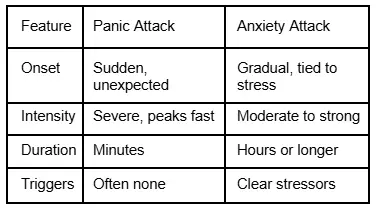
Panic attacks and anxiety attacks share similarities but are not the same. Panic attacks are sudden, severe, and often happen without a clear trigger. They usually reach peak intensity in a short time and may leave the teen exhausted afterward.

In contrast, anxiety attacks develop more gradually. They are linked to ongoing stressors, such as school pressure or social worries. Physical symptoms may be milder, but the mental strain can last longer.

A table can help highlight the differences:

This distinction matters because treatment and coping strategies may differ depending on whether the teen is experiencing panic or anxiety.

Common Triggers and Underlying Causes

Panic attacks in teenagers can stem from different factors. Genetics, brain chemistry, and personality traits may increase risk. Teens with a family history of anxiety are more likely to experience panic episodes themselves.

Stressful life events also play a role. Academic pressure, social conflicts, or major life transitions, such as moving schools, can act as triggers. In some cases, trauma or chronic stress may set the stage for recurring attacks.

Physical health can contribute as well. Caffeine, lack of sleep, or certain medications may worsen symptoms. Teens who avoid situations after an attack may also develop ongoing fear, which can lead to panic disorder if left untreated.

Understanding these causes helps families identify patterns and create a supportive environment. Early recognition and professional guidance can reduce the frequency of attacks and support healthier coping over time.

Treatment Options and Support Strategies

Teens who experience panic attacks need both short-term strategies to manage symptoms in the moment and long-term approaches that reduce the frequency and intensity of attacks. Support can include calming techniques, coping skills that build resilience, and professional treatment for conditions such as panic disorder or ongoing anxiety.

Immediate Steps to Take During a Panic Attack

When a panic attack begins, the goal is to reduce distress and help the teen feel safe. Parents or caregivers should remain calm and avoid dismissive statements. A simple, validating phrase such as “I can see you’re anxious, and I’m here with you” can help.

Grounding techniques are often useful. One method is the 5-4-3-2-1 exercise, where the teen identifies:

• 5 things they can see
• 4 things they can touch
• 3 things they can hear
• 2 things they can smell
• 1 thing they can taste

Breathing exercises are another immediate tool. Slowing the breath to about 5–6 cycles per minute helps reduce rapid heart rate and dizziness. Some teens may also benefit from splashing cold water on their face or holding an ice pack, which can activate the body’s calming response.

Coping Skills for Teens

Coping skills give teenagers ways to manage stress and anxiety outside of panic episodes. Progressive muscle relaxation is one option, where the teen tenses and then releases muscle groups while focusing on the difference between tension and relaxation. Practicing this regularly can lower overall arousal.

Physical activity can also help. Short bursts of aerobic exercise, such as jumping jacks or running, may reduce anxious energy. Teens may find it easier if a parent joins them, which also provides support and encouragement.

Other helpful practices include:

• Paced breathing: inhale slowly through the nose, exhale longer through the mouth.
• Mindfulness or grounding apps: guide the teen through calming exercises.
• Routine self-care: regular sleep, balanced meals, and reduced caffeine.

These skills do not stop panic attacks completely, but they can make symptoms less overwhelming and build confidence in managing stress.

Professional Treatment Approaches

Some teenagers need structured treatment to manage recurring panic attacks or panic disorder. Cognitive-behavioral therapy (CBT) is often the first-line approach. It helps teens understand the connection between thoughts, feelings, and physical symptoms, while teaching them how to challenge unhelpful thinking patterns.

In some cases, psychiatrists may prescribe antidepressant medication to reduce overall anxiety and allow the teen to participate more fully in therapy. Medication is usually combined with CBT rather than used on its own.

Other professional supports can include trauma-informed therapy, family counseling, or group therapy. These settings provide education, coping strategies, and reassurance that the teen is not alone. A mental health professional can also help parents learn how to respond effectively during panic attacks.

Seeking professional care is especially important if panic attacks are frequent, interfere with school or social life, or cause the teen to avoid normal activities. Early treatment can reduce long-term distress and improve daily functioning.

Conclusion

Teens who experience panic attacks benefit most from a mix of professional treatment and practical coping strategies. Cognitive behavioral therapy, medication when needed, and skills like paced breathing or grounding exercises can make symptoms more manageable.

Parents and caregivers play an important role by providing calm support and encouraging healthy habits. Respecting a teen’s preferences during an attack helps reduce stress and builds trust.

With consistent guidance, professional care, and simple techniques, many teens can learn to manage panic attacks more effectively and feel more in control of their daily lives.