Recommended Articles

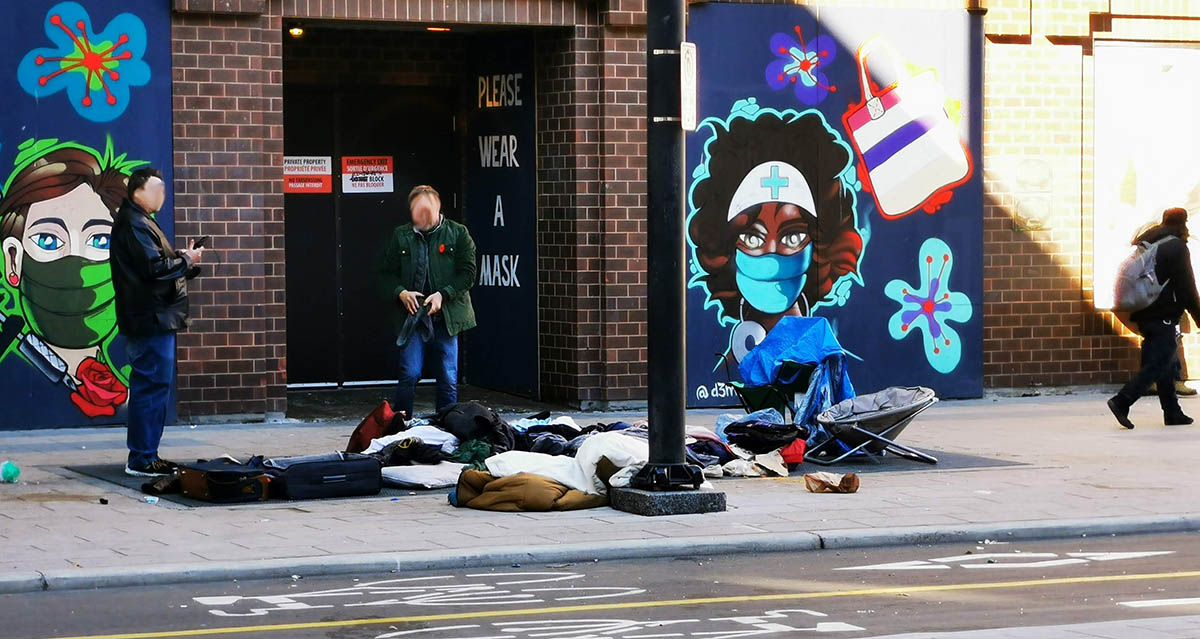
To mask, or not to mask. Choose wisely before they decide for you.
Lights, camera, and rolling — part one
Where do I Roll From Here?


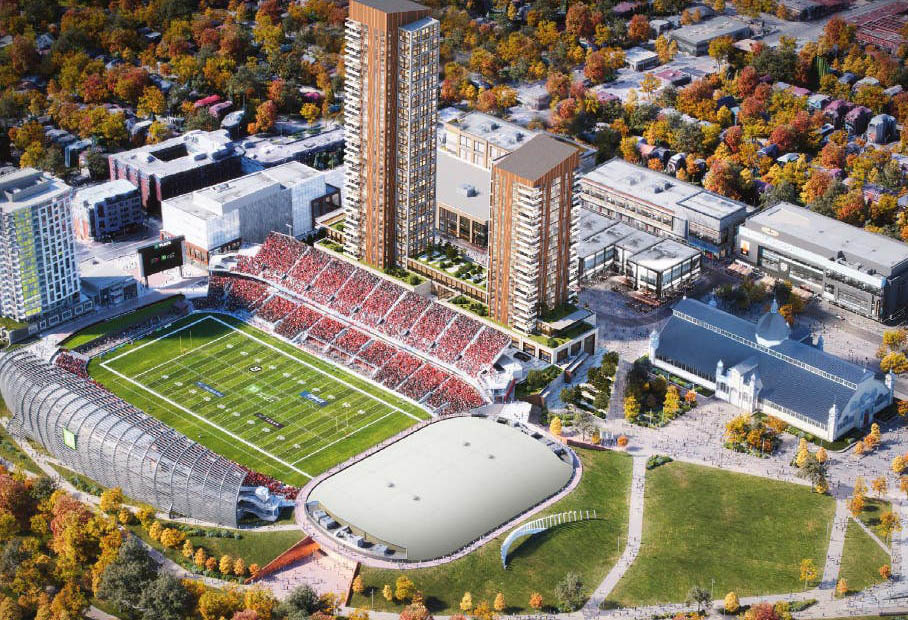
After two long days of public consultation, the Finance and Corporate Services Committee voted to approve the Lansdowne 2.0 redevelopment and construction plan.
Delegates representing community associations, sports and business groups, accessibility advocates, and individual residents weighed in on the city’s largest infrastructure project since the O-Train — a public-private partnership (P3) that many argue has been a failure for both taxpayers and transit riders.
The Lansdowne 2.0 plan builds on the original 2012 P3 between the City of Ottawa and the Ottawa Sports and Entertainment Group (OSEG) to revitalize Lansdowne Park. The new contract, which extends until 2075, modifies the partnership with a “waterfall” cash-flow structure, meaning the city will receive its share of revenues sooner than under the previous agreement.
Ottawa Board of Trade president and CEO Sueling Ching told councillors that Lansdowne 2.0 would boost Ottawa’s tourism infrastructure, generate more than 49,000 jobs, and add vibrancy to “a lifestyle-rich capital.”
Sonya Shorey, vice-president of Invest Ottawa, echoed the sentiment, reminding the committee that Ottawa is a G7 capital with a responsibility to build a dynamic, globally competitive city — pointing to Nokia’s new world-leading cybersecurity R&D hub in Kanata and Nvidia’s recent $1-billion investment in Nokia.
Kanata North Councillor Cathy Curry thanked Shorey and noted that many speakers and her fellow councillors might not be aware of the broader economic activity happening across the city.
Many delegates appearing before the committee raised concerns about the city’s other ageing recreation facilities, housing issues, and traffic congestion along Bank Street.
Ali Shafaee of Live Nation said that 2,000 to 7,000 touring artists skip Ottawa each year due to inadequate venues. He added that the proposed Lansdowne event centre would be an asset to Ottawa and would serve a different demographic than Live Nation’s upcoming History venue on Rideau Street. OSEG’s Mark Goudie told the committee that the rebuild also presents opportunities for the city to host international accessible events, such as the Invictus Games and for Ottawa Tourism to actively sell the city as a destination for other entertainment events.
Accessibility consultant Marnie Peters, who worked on Lansdowne 1.0, urged the city to uphold its human rights obligations and prioritize accessibility. Remarking on the current Lansdowne facility, she stated: “Yes, there is accessible seating, but there is no access,” describing how wheelchair users must constantly move to let others pass in tight spaces. Peters told the committee that she came to Ottawa for university 30 years ago and that the facility has yet to be improved.
Throughout the two days, councillors probed the project’s costs and risks. Rideau-Jock Councillor David Brown questioned staff about the city’s ongoing expenses to maintain arenas and rinks — revealing that very few of them generate a net surplus. He noted that, unlike city-run facilities, Lansdowne’s operations do not incur costs to taxpayers.
Councillor Shawn Menard countered that the city still faces significant costs under the new deal, estimating a $ 240 million loss over the term of the contract with OSEG.
City of Ottawa Chief Financial Officer Cyril Rogers told the committee that Ottawa’s strong credit rating, supported by its high-tech, federal, and construction sectors, positions it well to handle the project’s financing.
Councillor Curry asked Rodgers to clarify the public’s confusion over the project’s finances, noting that Lansdowne 2.0 would free up money for other needs. Rogers agreed, saying, “We are presenting you with a funding strategy that works — one that takes strain off the City’s overall assets.”
Curry concluded, “We should do this if we want to spend money on other things.” Rogers concurred.
In his post-committee press conference, Mayor Mark Sutcliffe echoed that message, stating that Lansdowne 2.0 offers the City “more money for other priorities.”
Phase 1 construction of the event centre is scheduled to begin in November and is expected to be completed by 2028. Phase two, which involves the complete redevelopment of the north stands and the surrounding infrastructure, is scheduled to open in 2030. The retail space, towers, grand entrance, and event centre parking will be part of Phase 3, which is expected to begin in 2031.
Watch Day 1
Watch Day 2