Casement, Slider, or Fixed: Which Window Style Is Most Suitable for Your Home?
Window repair or replacement is an investment in the comfort, energy efficiency and aesthetics of your home. But how do you choose among all the variety of styles? For Canadian homeowners looking for the perfect balance of functionality and style, reliable and practical casement windows Canada are especially worth considering. This option often becomes a universal solution for our climatic realities. However, to make an informed decision, you need to compare all types.
Casement, Slider or Fixed: The Key Differences
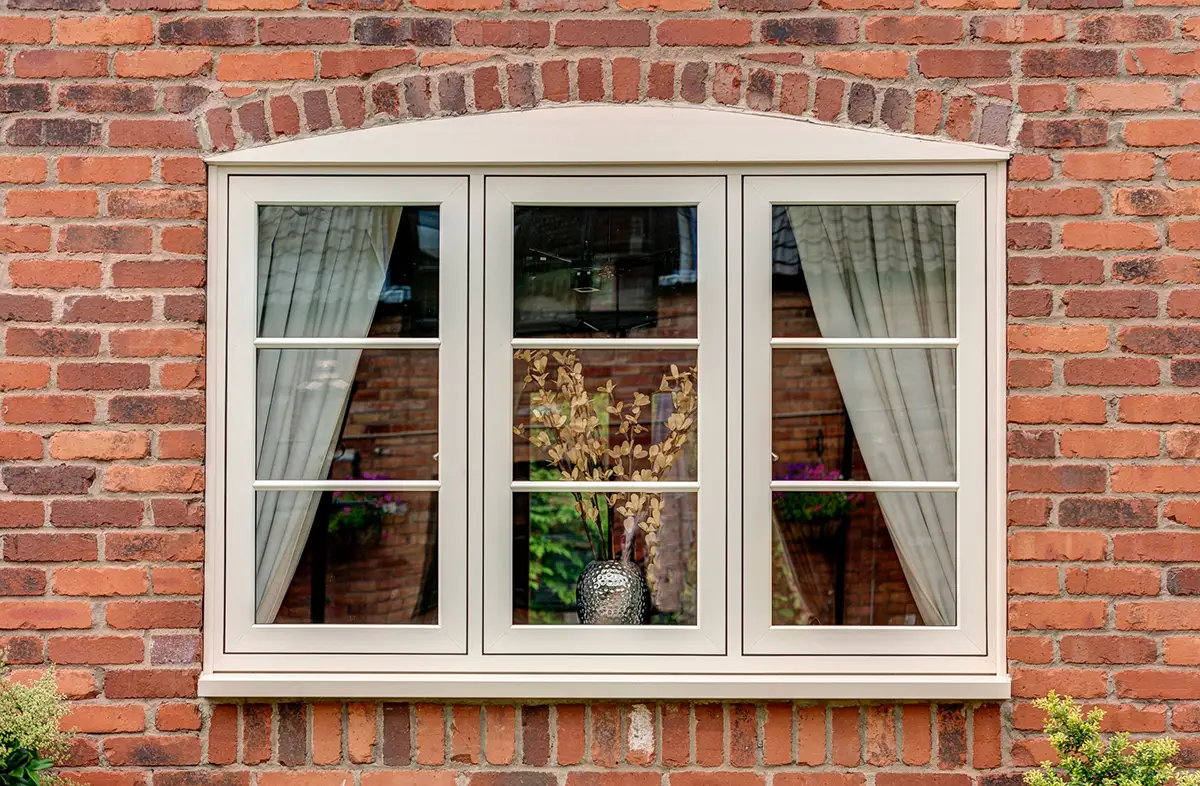
As explained by Bob Vila in her widely referenced guide to window styles, a casement window is hinged on one side and opens outward like a door, offering maximum ventilation and an unobstructed view-features many Canadian homeowners appreciate for natural air flow in living spaces. Conversely, slider windows move horizontally and provide a sleek profile that suits modern homes, while fixed windows remain stationary but maximize natural light and energy efficiency where ventilation isn’t needed.
Selection criteria for the modern homeowner
Let’s figure out what to look for, taking into account your lifestyle.
Practicality and ease of operation
Busy people appreciate equipment that works without unnecessary movements. Here, sliding and swinging designs come out on top. Sliding windows open with a smooth movement of the hand, taking up no space either inside or outside – this is ideal for balconies, terraces or rooms with limited space near the window. Swinging windows often have a handle that is easy for even a child to turn, ensuring a tight and airtight closure.
Aesthetics, light and maintenance
A modern look is often about minimalism and clean lines. Sliding and casement windows provide just that: the largest possible amount of glass without massive lintels, filling the room with light. In terms of maintenance, sliding windows are a minimalist’s dream: both sashes are usually easy to clean from the inside. Fully opening casement windows also provide easy access to the outer glass.
Energy efficiency and durability
This is a critical point for Canada. Modern casement windows are usually the most airtight, as they have no joints through which heat could escape. Sliding structures can also be very energy efficient thanks to high-quality fittings and seals. The optimal material for minimalist maintenance and thermal insulation is PVC (vinyl): it does not require painting, is weatherproof and retains temperature well.
To put everything together, here are the key questions for your checklist:
• What room is the window for? (Bedroom, kitchen, living room).
• What is more important: ventilation or maximum light?
• Are there restrictions on the space near the window?
• What level of maintenance do you like?
• How important is energy efficiency in this area of the house?
By answering these questions, you will narrow down your search.
For a busy person who wants to get maximum functionality from windows with a minimum of hassle, high-quality sliding windows are often the most versatile choice. They save space, are easy to open, have a modern look, provide excellent lighting and simplify cleaning. Blind windows are the ideal choice for combined structures where only light is needed. And hinged windows remain unsurpassed in terms of tightness and full ventilation. Considering the Canadian climate and the desire for simplicity, your ideal option lies at the intersection of these technical advantages and personal preferences.