The Hidden Tax on Canada’s Poorest Seniors: New Report Warns Working Elders Lose Up to 50% of Their Income
A new report from the Montreal Economic Institute (MEI) is drawing attention to a problem that rarely makes headlines but affects some of the most vulnerable people in the country: low‑income seniors who continue working are losing a staggering share of their earnings to a combination of steep taxes and federal benefit clawbacks. According to the MEI, many older Canadians who take on part‑time or modest full‑time work to cover basic living costs are effectively penalized for doing so, sometimes losing up to half of every dollar they earn.
Jason Dean, an associate researcher at the MEI and the report‘s author, argues that the system is failing the very people it was designed to help. “A growing number of seniors are working to make ends meet; the very least Ottawa could do is not punish them for doing so,” he says. “A system that was designed to help those most in need is actually working against them due to poor design.”
The scale of the issue is significant. More than 600,000 Canadian seniors live below the poverty line, based on Statistics Canada’s low‑income cut‑offs. Many rely on a combination of Old Age Security, the Guaranteed Income Supplement, and the Canada Pension Plan. For seniors with no income beyond OAS, the GIS provides just over $13,000 a year. But once a senior earns more than $5,000 in additional income, the federal government claws back 50 cents of every extra dollar. That reduction happens before income tax, payroll deductions, and reductions in other credits are even factored in. The result is that the poorest seniors in the country face some of the highest effective tax rates.
The MEI notes that employment among GIS recipients rose by 56 percent between 2014 and 2022, with the sharpest increase among seniors aged 65 to 69. These are not retirees seeking extra spending money; they are older Canadians who simply cannot afford to stop working. “The reality is that for every dollar working low-income seniors make, they lose up to 50 cents in benefits,” Dean explains. “These people do not have ample savings but rather need to work to make ends meet. Ottawa shouldn’t make it harder for the growing number of such seniors.”
To illustrate the impact, the report calculates what it calls the “participation tax rate,” which measures how much of a worker’s income is lost to taxes and clawbacks. A single senior under 75 who continues working part‑time and earns just over $13,000 a year would lose more than $2,200 through clawbacks and taxes. A senior earning a modest full‑time wage of $20.50 an hour would lose half of every dollar earned. These rates resemble those paid by high‑income earners, yet the seniors facing them are anything but wealthy.
The MEI argues that relatively small policy changes could dramatically improve the situation. One recommendation is to raise the GIS earnings exemption from $5,000 to $30,000, aligning it with Statistics Canada’s low‑income cut‑offs in urban areas. The estimated cost of this change is $544 million annually, a figure the MEI describes as prudent because it does not account for behavioural changes among seniors who might work more if the penalties were reduced. The report also suggests reforming payroll taxes for seniors by removing their obligation to pay into Employment Insurance and making Canada Pension Plan contributions optional after age 65.
Dean believes the moral argument is as important as the economic one. “Whether deliberate or not, we are disincentivizing the poorest among us from improving their quality of life, and no Canadian should find that acceptable,” he concludes.
As Canada’s population ages and more seniors continue working out of necessity rather than choice, the MEI’s findings raise an uncomfortable but unavoidable question: why is the federal system taxing the poorest seniors as if they were the richest? The report makes clear that fixing this problem is not only a matter of economic fairness, but a reflection of the values Canadians claim to hold.
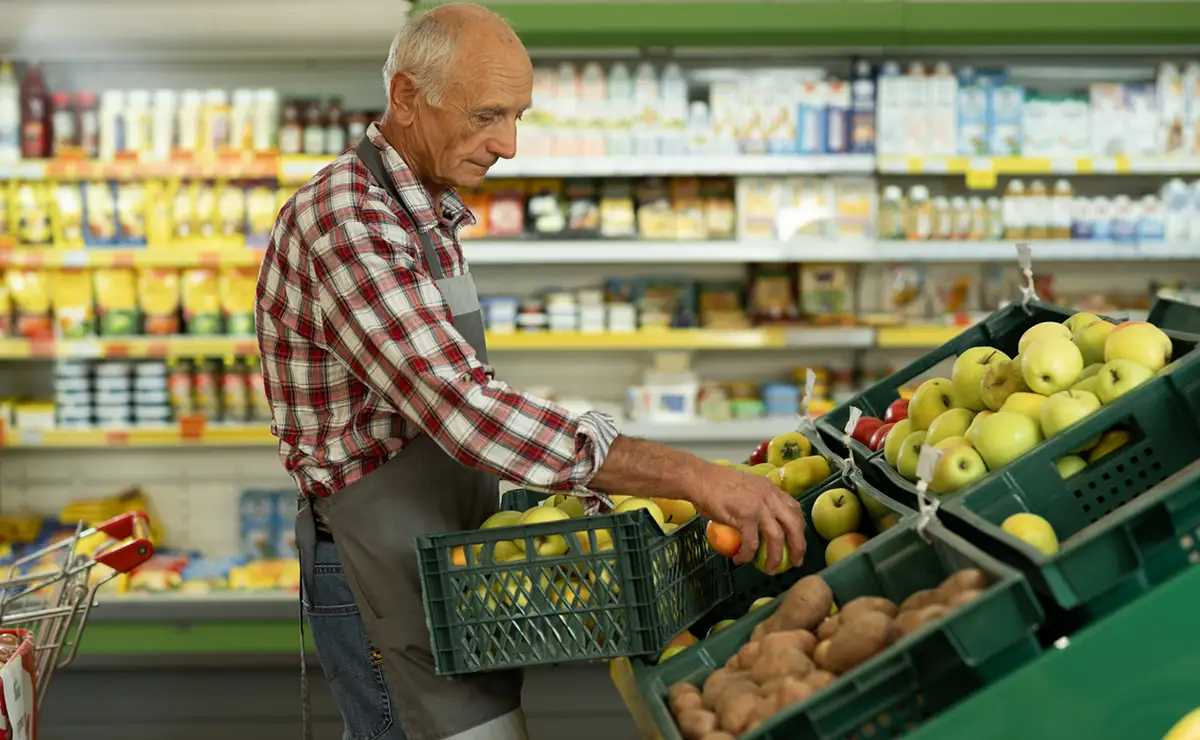
Photo: iStock