
• By: OLM Staff

Nicotine Pouches in Canada: What’s Legal, What’s Not, and Why Health Canada Must Act Now  

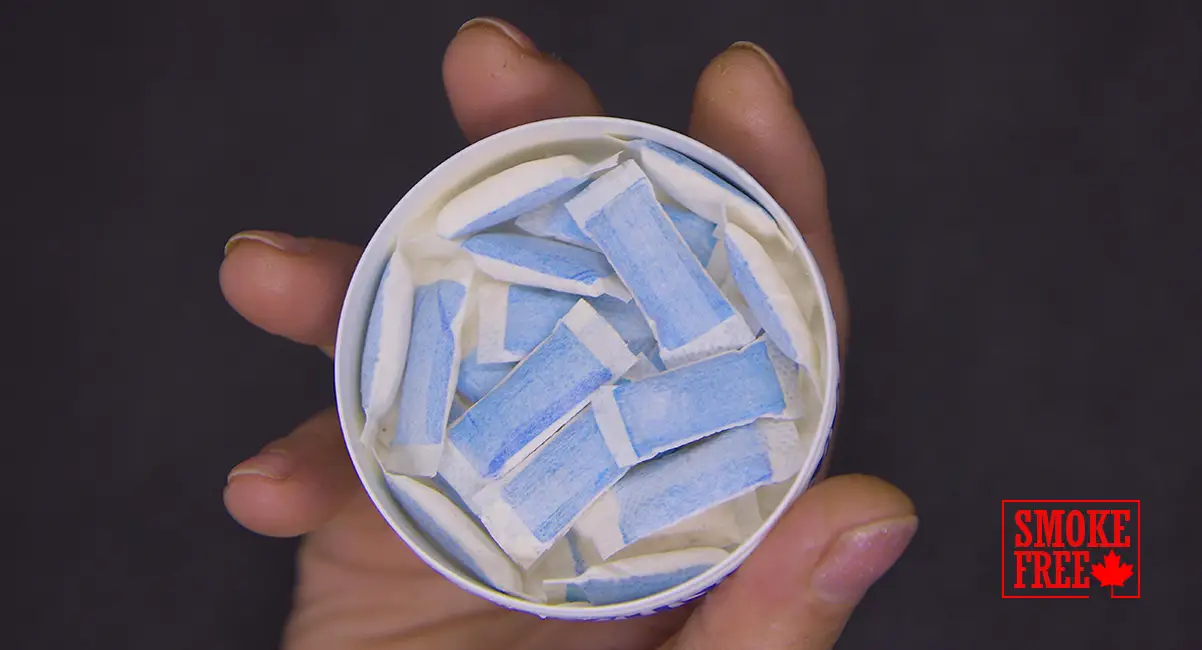
Nicotine pouches have quickly become one of the most confusing products in Canada’s harm‑reduction landscape. In just a few years, they have shifted from a niche cessation tool to a widely discussed consumer product. The debate has been shaped by misinformation, inconsistent retail practices, and a regulatory framework that has not kept pace with the market. As a result, many Canadians remain unclear about what is legal, what is illicit, and what these products are actually intended to do.

A Market Moving Faster Than the Rules

While nicotine pouches have been available internationally for years, Canada’s regulatory footing has evolved more slowly. In February 2025, Health Canada launched a consultation proposing to update the Prescription Drug List to explicitly allow low‑dose nicotine pouches—four milligrams or less—to be sold without a prescription. This would align them with other nicotine‑replacement therapies such as gums, lozenges, and patches.

Until that change is finalized, the situation remains narrow: only one pouch product is legally sold in Canada. ZONNIC, a four‑milligram pouch approved as a Natural Health Product, is the sole regulated option. All other pouch products—higher‑dose versions, flavoured varieties, and imported brands—are unauthorized and therefore illegal. Despite this, illicit products remain widely available in convenience stores, gas stations, and online marketplaces, creating the impression that the entire category is unregulated.

What the Law Actually Says

Health Canada’s position is clear. ZONNIC is the only legal nicotine pouch in Canada, and it is approved specifically as a smoking‑cessation aid for adults. It must be sold in pharmacies, and its nicotine content is limited to a low, controlled dose. Any pouch above four milligrams, any flavoured pouch, any brand other than ZONNIC, and any pouch sold outside a pharmacy setting is not authorized for sale.

Public‑health organizations, including QuitNow, have reinforced this distinction in their guidance. However, the presence of illegal products on retail shelves has blurred the line between regulated nicotine‑replacement therapies and unregulated nicotine products that fall outside federal oversight.

Retail Confusion and the Growth of the Illicit Market

In August 2024, Health Canada required ZONNIC to be sold exclusively in pharmacies. The move was intended to reduce youth access, but it also reduced availability for adults who had been purchasing the product in convenience stores. In some regions, cigarette sales increased following the shift, and nearly one in five postal codes no longer had a nearby pharmacy carrying the product.

At the same time, illicit high‑dose pouches became more visible. These products often contain significantly more nicotine, come in a variety of flavours, and are marketed in ways that appeal to younger consumers. Some retailers, either unaware of the regulations or choosing to ignore them, have sold these products alongside legitimate nicotine‑replacement therapies, contributing to public confusion.

Youth Concerns and Public Misunderstanding

The rise of illegal high‑dose pouches has prompted concern about youth use. These products are frequently promoted on social media and packaged in ways that resemble confectionery. QuitNow’s 2025 guidance notes that nicotine exposure can affect brain development and increase the risk of dependence among young people.

However, these concerns apply primarily to illegal products. Regulated nicotine‑replacement therapies such as ZONNIC are designed for adult smokers seeking to quit. Updated guidance from CAMH’s INTREPID Lab acknowledges that nicotine pouches can play a role in reducing smoking‑related harm for adults when used appropriately. This distinction is often lost in public debate, where all pouches are treated as if they pose the same risks.

A Regulatory Process Still in Transition

Health Canada’s February 2025 consultation aims to clarify the legal status of low‑dose nicotine pouches, but the process is ongoing. Until the Prescription Drug List is updated, enforcement agencies must operate within a regulatory grey zone. This has contributed to inconsistent enforcement, widespread retail non‑compliance, and ongoing uncertainty among consumers about what is legal and what is not.

Why Enforcement Is Challenging

Enforcement agencies face several obstacles. Many retailers do not fully understand the difference between legal nicotine‑replacement pouches, illegal high‑dose products, and oral tobacco. Illegal pouches are widely available online, often shipped from outside Canada. And without a finalized regulatory update, inspectors lack the clarity needed to consistently distinguish legal products from illegal ones. These factors have allowed the illicit market to expand even as regulators attempt to tighten oversight.

What Comes Next

The debate over nicotine pouches is not about whether the products should exist—they already do, and they are widely used internationally. The central issue is how to regulate them in a way that protects youth while ensuring adults who smoke have access to regulated cessation tools. Clarifying the legal status of low‑dose pouches, improving enforcement against illegal high‑dose products, and increasing public education are all areas identified by health organizations and policy analysts as necessary steps.

Nicotine pouches occupy a complicated space in Canada’s harm‑reduction landscape. They are a regulated cessation tool when sold legally and a growing concern when sold illegally. The challenge lies in distinguishing between the two in policy, retail environments, and public understanding. As Health Canada continues its regulatory review, the outcome will shape how Canadians access and understand these products in the years ahead.

Photo: Pixabay