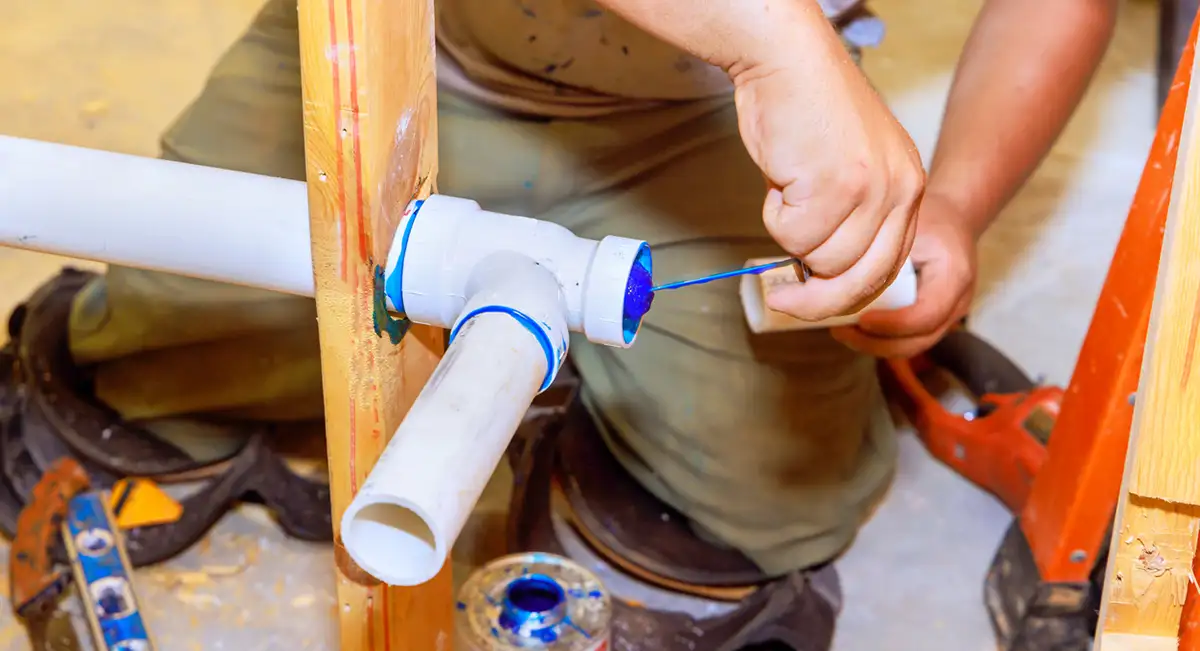
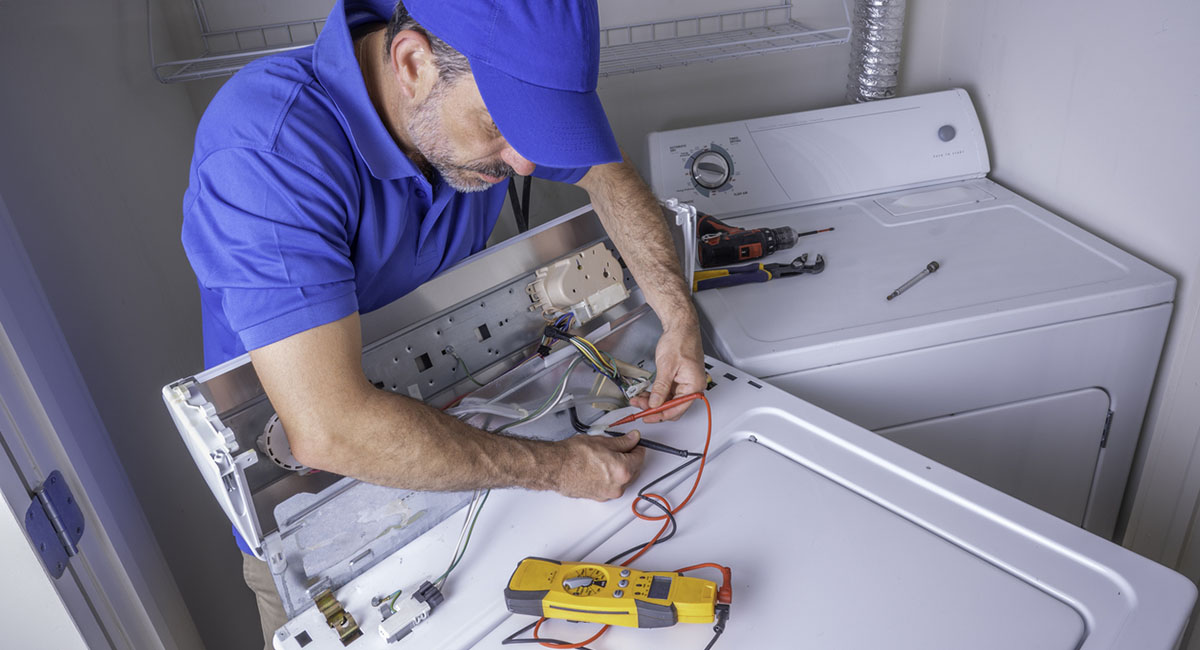
Canadian homeowner checking kitchen appliances as part of smart home maintenance in 2026

  • By: Allen Brown

Why Canadian Homes Need a Smarter Approach to Appliance Care in 2026

In many Canadian households, appliances are expected to work quietly in the background until something suddenly goes wrong. A refrigerator starts warming, a dryer takes twice as long to finish a load, or a dishwasher leaves behind cloudy glasses and standing water. Most of the time, these issues do not begin as major failures. They build slowly through daily use, missed maintenance, seasonal strain, and delayed attention.

In 2026, homeowners are also dealing with a different kind of pressure. Appliances are more advanced than they used to be, replacement costs are higher, and many families are trying to make better long-term decisions about their homes. That is why appliance care is no longer only about fixing a breakdown. It is about protecting comfort, avoiding unnecessary expenses, and extending the life of the equipment people already rely on every day.

Small Warning Signs Usually Come Before Expensive Repairs

Most appliance problems do not appear overnight. They tend to start with small changes that are easy to ignore: unusual noise, slower performance, excess moisture, inconsistent heating, or repeated cycling. These early symptoms often look minor, but they can point to growing wear inside the machine.

Homeowners frequently delay action because the appliance is still technically working. The fridge is still cooling, just not as well. The washer still runs, but it shakes more than before. The oven still heats, but baking results are uneven. Waiting too long often turns a manageable repair into a more serious service call, especially when strain spreads from one part to another.

Why timing matters more than most people think

A timely inspection can help catch a dirty condenser area, a failing seal, a blocked drain path, a worn belt, or an airflow issue before it affects overall performance. That matters in busy households where one breakdown quickly disrupts meals, laundry, routines, and even food safety. For homeowners who want to stay ahead of these problems, working with a trusted provider of appliance repair in Winnipeg can be a practical way to address early symptoms before they become bigger household expenses.

Canadian Climate and Everyday Use Put Extra Pressure on Household Appliances

Canadian homes place unique demands on appliances throughout the year. In colder months, heating systems dry indoor air, laundry loads often increase, and refrigerators and freezers may work differently depending on indoor temperature changes and storage habits. In warmer periods, kitchen appliances can face extra strain from heat, heavier use, and reduced ventilation around built-in units.

Even without extreme conditions, everyday family life creates constant wear. Large grocery runs, back-to-back laundry days, holiday cooking, school schedules, and frequent dishwasher cycles all add up. Appliances that are used hard but maintained lightly are far more likely to lose efficiency over time.

This is one reason modern appliance care should be viewed as part of broader home management. A well-maintained machine usually performs more consistently, sounds better, and gives clearer warning signs before a failure. A neglected one often forces the homeowner into rushed decisions at the worst possible time.

Repair Is Often the Smarter Home Decision Than Immediate Replacement

Many homeowners assume replacement is the safest solution whenever an appliance starts acting up. In reality, that is not always the most practical choice. Replacing a major appliance can involve delivery delays, installation issues, measurement concerns, disposal logistics, and a much larger cost than expected. In some cases, a targeted repair makes far more sense, especially when the unit is otherwise structurally sound.

The better question is not simply, “Is it broken?” but rather, “What is failing, how serious is it, and what is the most reasonable next step?” A professional assessment helps answer that clearly. It also gives homeowners context: whether the issue is minor, whether performance can be restored, and whether the appliance is worth keeping in service.

What experienced technicians bring that online tips cannot

Online advice can be useful for recognizing symptoms, but it rarely replaces trained diagnosis. Similar warning signs can come from completely different causes. A noisy dryer, for example, might point to support wear, imbalance, airflow restriction, or internal mechanical stress. A refrigerator that seems too warm could involve airflow, sealing, sensor behavior, or another performance issue that is not obvious from the outside.

That is where experience matters. Good technicians do more than swap parts. They evaluate patterns, check likely points of failure, and explain what the homeowner should watch next. That kind of service builds trust because it helps people make informed decisions rather than emotional ones.

What Better Appliance Ownership Looks Like in 2026

Homeowners do not need to become repair experts to take better care of their appliances. What helps most is a more observant and proactive mindset. Clean what should be cleaned regularly. Pay attention to changes in sound, timing, moisture, and temperature. Avoid overloading equipment. Do not ignore repeat interruptions in normal performance. And when something changes, treat that change as useful information rather than an inconvenience to postpone.

Better ownership also means choosing service providers carefully. Clear communication, honest recommendations, familiarity with residential appliance issues, and respect for the homeowner’s time all matter. In 2026, trust is a major part of home services. People want practical help, transparent expectations, and work that supports the long-term use of their household equipment.

For Canadian families, that approach is often more valuable than chasing the fastest or cheapest short-term fix. The goal is a home that runs reliably, with fewer surprises and better decisions when problems arise.

Final Thoughts

Appliance care has become a bigger part of responsible home ownership than many people realize. Small issues can grow quietly, routine habits can shorten the life of important machines, and delayed action often costs more than early attention. A smarter approach is not complicated: notice changes, respond sooner, and treat maintenance and repair as part of protecting the way your home functions every day.

When homeowners take that view, they are usually in a better position to avoid disruption, reduce waste, and get more dependable performance from the appliances they already have.

FAQ

How do I know if an appliance needs repair or replacement?

If the appliance still performs most of its job but shows changes in noise, timing, temperature, drainage, or efficiency, it is often worth having it assessed before assuming replacement is necessary. A professional inspection can help determine whether the issue is limited and repairable or part of a larger decline.

Why do appliance issues seem to appear gradually?

Many failures begin with small wear-related changes rather than a sudden breakdown. Reduced airflow, buildup, sealing issues, or mechanical stress can slowly affect performance until the appliance no longer works as expected.

Does regular maintenance really make a difference?

Yes. Basic maintenance helps appliances run more consistently and can reduce the strain that leads to avoidable problems. It also makes it easier to notice early warning signs before they become more serious.

What are the most common early warning signs homeowners ignore?

Some of the most commonly overlooked signs include unusual sounds, longer cycle times, poor drying or cooling, inconsistent heating, excess moisture, standing water, or repeated interruptions during normal operation.

Why is professional diagnosis important for modern appliances?

Modern appliances often show similar symptoms for very different underlying reasons. Professional diagnosis helps identify the real issue, avoid guesswork, and guide the homeowner toward the most reasonable next step.

Photo: iStock