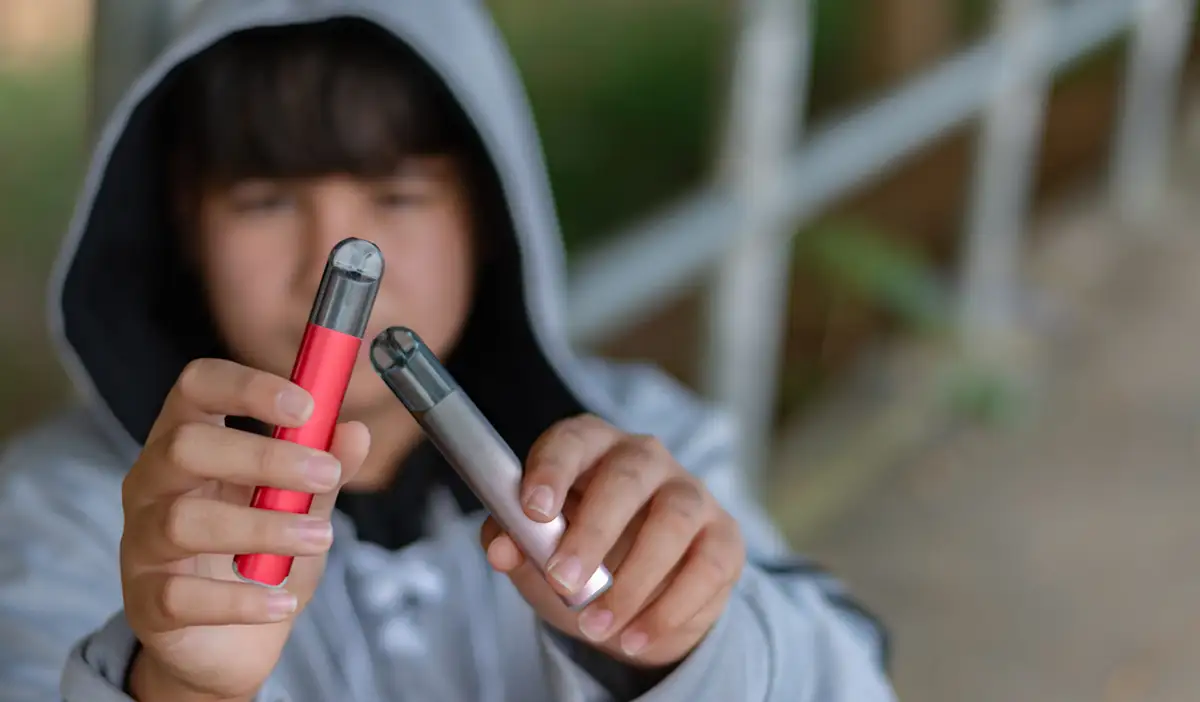
Youth Vaping in Canada: Illicit Products and the Enforcement Gap
A renewed debate over youth vaping in Canada has emerged following an April 17 press conference by several anti‑smoking organizations, prompting a detailed response from Imperial Tobacco Canada. The company is urging governments and public health groups to focus on what it describes as the primary driver of youth access: the illicit vaping market.
Youth vaping remains a significant concern for Health Canada, which regulates nicotine products and enforces compliance among retailers. Both public health advocates and industry agree that young people should not be using nicotine in any form. The disagreement lies in where youth are obtaining these products and how best to curb access.
Imperial argues that much of the public discussion continues to blur the line between regulated products sold legally in Canada and illegal products that fall outside federal oversight. The company maintains that the flavoured, high‑nicotine disposable vapes often cited as appealing to youth are not coming from the legal market.
Imperial Calls for Stronger Enforcement Amid Rising Concerns Over Youth Vaping
In its statement, Imperial said the products most frequently associated with youth use are not coming from federally regulated manufacturers. “The flavoured, youth‑appealing products being cited are not coming from Imperial or the regulated market,” said Eric Gagnon, Vice President of Corporate and Regulatory Affairs. “They are overwhelmingly coming from the illicit market, where there are no rules, no oversight and no age verification.”
Gagnon also pointed to Health Canada’s most recent compliance data, which shows a significant difference between traditional retailers and vape‑only shops. According to the federal regulator, fewer than one percent of gas stations and convenience stores were found non‑compliant with federal vaping regulations. By contrast, 43 percent of inspected vape shops were found in violation.
Health Canada has publicly acknowledged the presence of illegal products in the marketplace. In enforcement bulletins, the department has noted that unauthorized disposable vapes continue to be sold in Canada, including products with nicotine concentrations and youth‑oriented flavours that do not meet federal standards. The agency has also reported that many illegal products are widely available online, where age‑verification requirements are inconsistent or absent.
Imperial is calling for stronger enforcement of existing laws, including action against non‑compliant retailers and measures targeting illegal products across the supply chain. The company is also asking for national rules on flavours that would limit youth appeal while preserving options intended for adults who smoke.
Health Canada’s Role and Regulatory Context
Health Canada is responsible for regulating legal nicotine products, enforcing compliance among retailers, monitoring the illicit market, and supporting harm‑reduction pathways for adults who smoke. These responsibilities often intersect.
The department has stated that its regulatory approach is based on two core objectives: preventing youth uptake and supporting adult smokers who may use regulated vaping products as a less harmful alternative to cigarettes. This dual mandate requires distinguishing between legal and illegal products, as the two categories differ significantly in nicotine levels, flavour profiles, and safety standards.
Health Canada continues to conduct inspections, seize illegal products, and issue compliance orders to retailers found in violation of federal rules. The department has also warned consumers about the risks associated with unauthorized vaping products, which may contain unknown ingredients or nicotine concentrations far above the legal limit.
Nicotine Pouches and the Legal–Illicit Divide
The debate extends beyond vaping devices to nicotine pouches, which have grown in popularity. Health Canada authorizes certain pouch products under strict conditions, including nicotine limits and packaging requirements. However, unregulated pouches that are often sold online may contain significantly higher nicotine levels. Imperial emphasized the importance of distinguishing between authorized and unauthorized pouch products. “There is a clear difference between products that are authorized by Health Canada and illicit products sold online with significantly higher nicotine levels,” Gagnon said.
Ongoing Debate Over Solutions
Anti‑smoking groups have argued that stronger restrictions on flavours and marketing are necessary to reduce youth vaping. Imperial maintains that enforcement and education should be the priority, and that conflating legal and illegal products risks obscuring the source of youth access.
Health Canada has not responded directly to Imperial’s comments but has previously stated that it continues to evaluate regulatory options while expanding enforcement efforts. As the debate continues, all parties agree on the central issue: youth should not have access to nicotine products. The question now is how federal and provincial regulators will balance enforcement, regulation, and harm‑reduction goals as the vaping landscape continues to evolve.
Photo: iStock