• By: OLM Staff

Canada’s Vaccine‑Injured Are Being Overlooked: Michelle Worton Explains Why

Most people have moved on from COVID. There are thousands of Canadians who are unable. The covid vaccine injured. The Canadian media, political and medical establishment does not want to discuss their cases. As documented on Global News, the vaccine injury support program has been an abject failure, with most of the money going towards administrative costs.

Ottawa Life had the chance to speak to COVID-19 vaccine-injured Michelle Worton. She is also the co-founder of the Canadian covid vaccine injury advocacy group, canrise19.com.


Ottawa Life: What was life like before your injury?

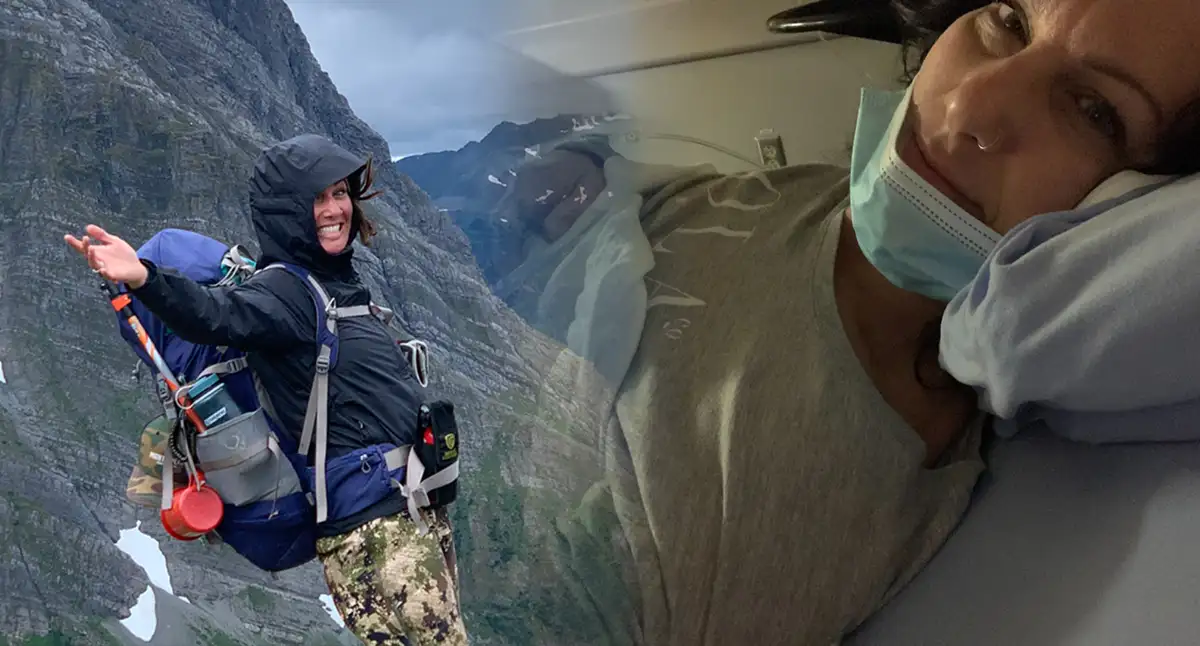
Michelle Worton: Before my injury, I was a thriving healthcare professional with over 20 years of experience. I had built a respected career within my private practice dental community, grounded in science, ethics, and patient-centred care. My life was full and active—I was working, mentoring, writing, and contributing meaningfully both professionally and personally as a mother, spouse, and community member.

I was physically well, intellectually engaged, and deeply committed to helping others. My identity was rooted in both my profession and my sense of purpose.

Ottawa Life: What compelled you to take the vaccine?

Michelle Worton: My decision was made in the context of significant external pressure. At the time, vaccine mandates were being implemented within my regulatory environment in British Columbia, and my ability to continue practicing—and supporting my patients and family—was at risk.

Like many healthcare professionals, I faced the very real possibility of losing my livelihood. The decision was not made from a place of free and informed choice, but under coercive circumstances tied to my professional obligations. I believed I was doing what was required to continue serving my community.

Ottawa Life: Can you please tell me a bit about your injury?

Michelle Worton: My symptoms began after my first dose, when I developed significant cardiology-related issues, including a high resting heart rate, elevated blood pressure, chest tightness, and shortness of breath—symptoms reflective of myocarditis and dysautonomia, including Postural Orthostatic Tachycardia Syndrome (POTS).

Following my second injection, my condition escalated dramatically into a complex, multi-system illness involving immune, neurological, and vascular dysfunction.

In January 2022, I underwent extensive investigations for suspected myocarditis and multiple sclerosis due to the severity and progression of my symptoms.

My clinical picture now includes dysautonomia/POTS, small fibre neuropathy, mast cell activation syndrome (MCAS), Subclass IgG deficiency, and multifocal nervous system impairment. I have developed extensive peripheral nerve damage with significant sensory loss, as well as ongoing inflammatory processes contributing to an acquired connective tissue disorder.

Neurologically, I have developed white matter brain lesions that continue to be monitored, along with vision loss and three distinct visual syndromes that impact my daily functioning.

Most significantly, within eight months of my second injection, I developed a brain cyst that required neurosurgical intervention. In 2023, I underwent brain surgery in the United States to have the cyst removed, at a personal cost of $148,000. This was entirely self-funded, supported in part through community crowdfunding efforts, after being unable to access appropriate care in Canada.

These are not transient or mild effects. They are chronic, systemic, and in many cases progressive conditions that have affected nearly every aspect of my health and functioning.

Ottawa Life: What treatment have you received in Canada? And what treatment have you received outside Canada?

Michelle Worton: In Canada, accessing appropriate care has been extremely difficult. There is no established clinical pathway for individuals experiencing complex, multi-system conditions of this nature, and recognition remains inconsistent. Care has often been fragmented, with limited access to specialists familiar with dysautonomia, MCAS, immune deficiencies, or small fibre neuropathy in this context.

Despite extensive efforts to seek care, my experience within the Canadian medical system has been marked by dismissal and a lack of acknowledgement of the severity and legitimacy of my condition—an experience that continues to this day.

I have undergone extensive diagnostic testing and consultations within Canada, including cardiology, neurology, and immunology investigations, though often without coordinated or comprehensive care.

As a result, I have had to pursue treatment outside of Canada. This has included accessing specialized care in the United States, including neurosurgical intervention, as well as other international expertise focused on immune modulation, neurological support, and management of ongoing inflammation and microvascular dysfunction. These treatments have been essential, but they have come at significant personal and financial cost.

To fund my medical care, I was forced to sell my dental practice after becoming unable to continue working due to my condition.

This experience highlights a critical gap in access to timely, specialized, and integrated care for patients facing complex chronic illness.

Ottawa Life: What is life like now?

Michelle Worton: Life now is profoundly different. I have been medically retired due to disability and am no longer able to practice in the profession I dedicated over two decades to. My daily life is centred around managing complex, chronic, and often debilitating symptoms that affect multiple systems in my body.

There has been a significant loss—not only of my career, but of independence, stability, and the life I once knew.

At the same time, my sense of purpose has evolved. Through this experience, I have stepped into a role of advocacy and leadership. While my physical health has been deeply impacted, I remain committed to using my voice, my clinical background, and my lived experience to raise awareness and advocate for others facing similar realities.

There is both grief and determination in this reality.

Ottawa Life: Please tell me about Canrise19 and what the group hopes to accomplish.

Michelle Worton: CANrise19 is a Canadian, patient-led advocacy organization created to support individuals experiencing serious and long-term adverse events following COVID-19 vaccination. It was born out of necessity—to provide a space for patients who have been largely overlooked, unsupported, and, in many cases, dismissed.

We offer emotional support, share research-informed information, and help connect individuals navigating complex, multi-system conditions. Beyond support, our work is grounded in advocacy.

We are focused on advancing recognition of these conditions, improving access to appropriate and timely medical care, and promoting transparency and accountability within public health systems. We advocate for informed consent, bodily autonomy, and the protection of future generations.

Our goal is not division—it is acknowledgement, support, and meaningful change. We are working to ensure that those affected are not forgotten and that Canada develops systems that respond with integrity, compassion, and evidence-based care.