Why Mississippi Commercial Buildings Need Fire Watch During System Failures

Modern commercial buildings rely heavily on automated fire protection systems. From fire alarms to sprinkler networks, these systems are designed to detect and suppress fires before they escalate. But what happens when those systems fail?

Whether due to maintenance, unexpected malfunctions, or upgrades, system outages create a dangerous gap in protection. In these situations, fire watch services become essential—not only for safety, but also for legal compliance.

The Reality of Fire System Failures

Fire protection systems are not immune to disruption. Common causes of system failure in commercial buildings include:

• Routine maintenance or inspections
• Electrical faults or power outages
• Mechanical failures in sprinkler systems
• Renovations or system upgrades

While these issues may be temporary, the risk they create is immediate. Without active monitoring, even a minor fire can go undetected until it becomes a major emergency.

What Is a Fire Watch in a Commercial Setting?

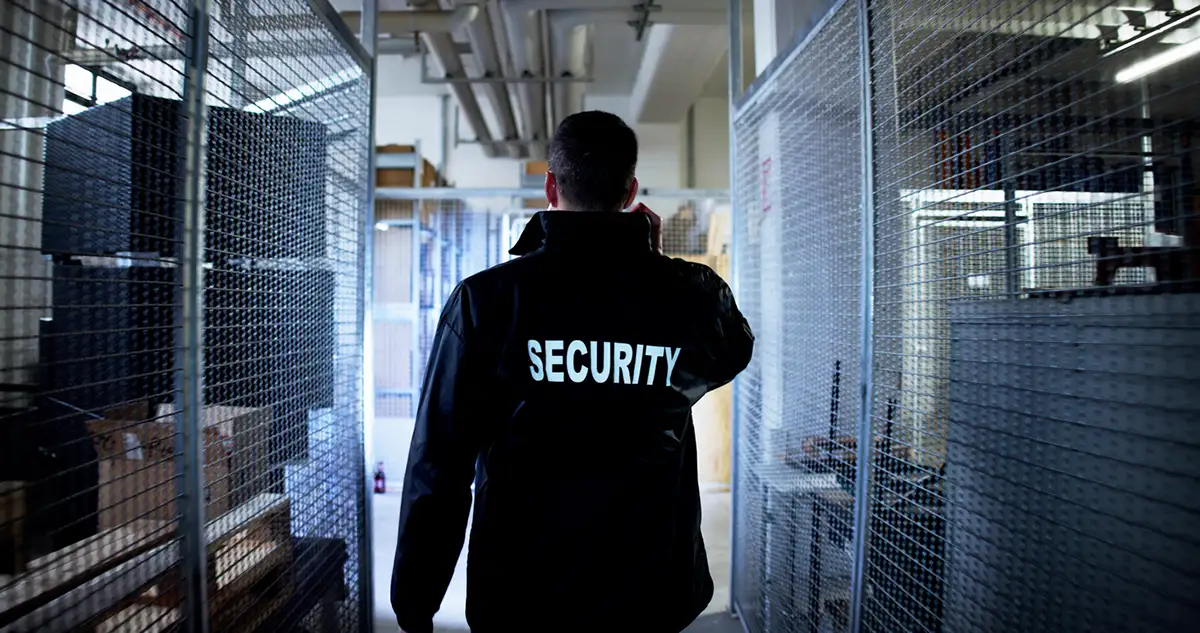
A fire watch involves trained personnel patrolling a building to identify fire hazards and respond quickly to potential threats.

In commercial environments, fire watch guards are responsible for:

• Monitoring all floors and high-risk areas
• Ensuring fire exits are accessible
• Identifying hazards such as faulty wiring or overheating equipment
• Maintaining detailed activity logs
• Coordinating with building management and emergency services

This human presence provides a critical layer of protection when automated systems are unavailable.

When Is Fire Watch Required in Commercial Buildings?

Fire watch is often legally required when fire protection systems are impaired. Regulations are typically based on standards from the National Fire Protection Association and enforced by local fire authorities.

Common scenarios include:

1. Fire Alarm System Outages
If a building’s alarm system is offline, occupants may not receive timely fire alerts. Fire watch personnel help bridge this gap by actively monitoring for danger.

2. Sprinkler System Failures
Sprinklers are designed to automatically suppress fires. When they are not operational, the risk of rapid fire spread increases significantly.

3. Occupied Buildings During Repairs
If a building remains occupied while fire systems are under repair, fire watch services are typically required to ensure tenant safety.

4. Code Violations or Fire Department Orders
Local authorities may mandate a fire watch if a building is found to be non-compliant with safety regulations.

The Risks of Not Implementing Fire Watch

Failing to provide fire watch services during system failures can have serious consequences:

• Increased fire risk: Delayed detection allows fires to grow unchecked
• Legal penalties: Fines or forced building closures
• Insurance complications: Claims may be denied if proper precautions were not taken
• Liability exposure: Property owners may be held responsible for damages or injuries

For commercial property owners, these risks can quickly escalate into significant financial and reputational damage.

Protecting Tenants and Business Operations

Commercial buildings often house multiple tenants, employees, and customers. This makes fire safety a shared responsibility with high stakes.

Fire watch services help ensure:

• Safe evacuation in emergencies
• Continuous monitoring of high-traffic areas
• Reduced disruption to business operations
• Compliance with safety regulations

For property managers, this level of oversight is essential for maintaining trust and operational continuity.

Regional Considerations: Why Local Expertise Matters

Fire safety requirements can vary by location, making it important to work with providers who understand local regulations and enforcement practices.

For example, businesses seeking fire watch services in Mississippi must consider:

• State and local fire codes
• Regional response times for emergency services
• Environmental factors such as heat and humidity may affect fire risk

Local expertise ensures that fire watch services are both compliant and effective.

Human Oversight vs. Automated Systems

While automated fire systems are a cornerstone of modern safety, they have limitations—especially during outages.

Fire watch personnel provide:

• Real-time hazard detection
• Adaptability to changing conditions
• Immediate response to emerging risks

This human element is particularly valuable in complex commercial environments where conditions can change rapidly.

Fire Watch as Part of a Broader Safety Strategy

Fire watch services should not be seen as a temporary fix, but as part of a comprehensive safety plan.

By integrating fire watch into their risk management strategy, commercial property owners can:

• Minimize fire-related incidents
• Ensure compliance with regulations
• Protect occupants and assets
• Maintain business continuity

Final Thoughts

Fire system failures are sometimes unavoidable—but the risks they create can be effectively managed. Fire watch services provide a critical safety net, ensuring that buildings remain protected even when automated systems are offline.

For commercial property owners and managers, taking proactive steps during these periods is not just a legal obligation—it’s a responsibility to everyone who depends on the safety of the building.

Photo: iStock