How Canada’s Cannabis Culture Is Evolving in the Post-Legalization Era
Canada’s culture has changed a lot since the Cannabis Act was passed in 2018. It used to be a small community, but now it’s a big, legal business worth billions of dollars. It’s not just about money with this change. Canadians think about health, social life, and their daily lives in new ways because of it.
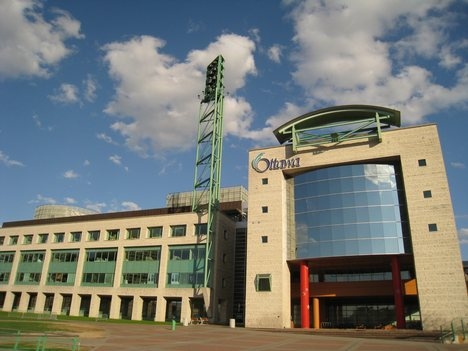
There are now a lot of weed shops on the streets of towns like Ottawa and Toronto. The original thrill of legalization has worn off, leaving a more stable market. A lot of people aren’t just looking for strong products for parties anymore. They’re also looking for goods that fit their lifestyle. This means learning about the tastes and smells of plants and using better-looking tools for eating.
The Sophistication of the Canadian Consumer
In 2018, the market was full of new users and long-time fans who were trying to figure out the rules for legal shopping. Canadian shoppers today know a lot more than they used to. These days, most people don’t ask for the product with the most THC. Instead, they want certain things, like the energy to go on a walk, the focus to do well at work, or better sleep.
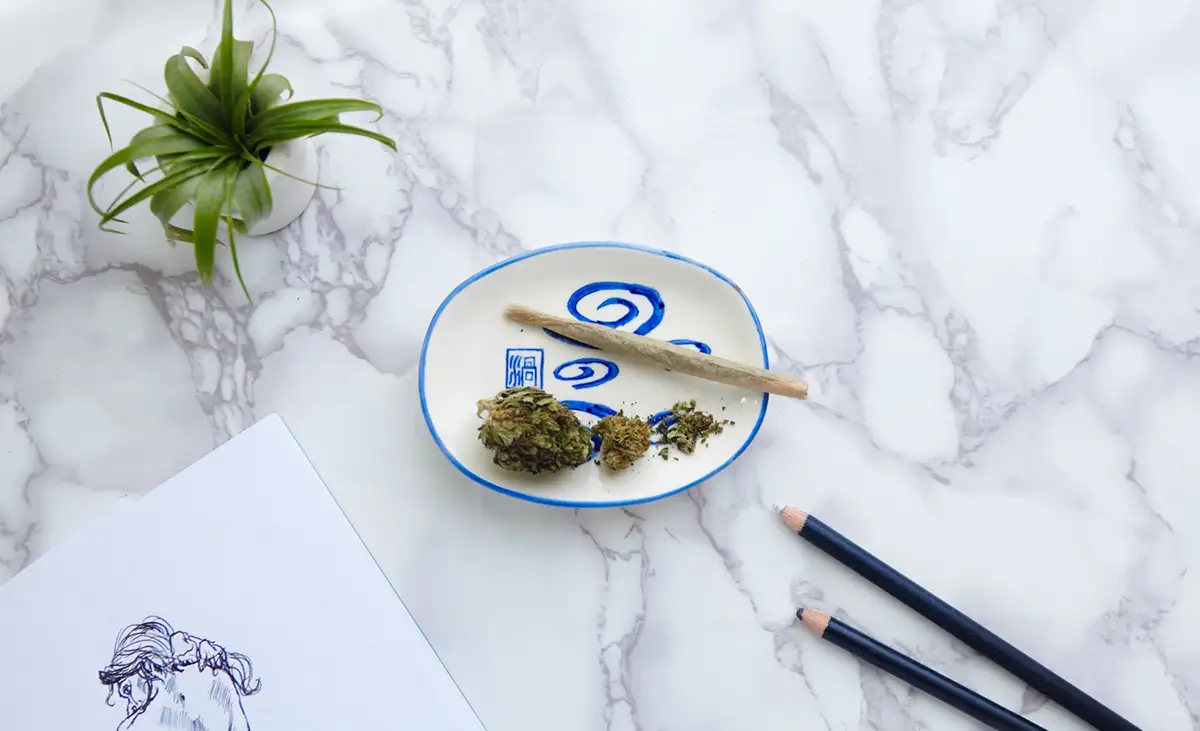
This change has also updated how people use cannabis. The old stoner image has been replaced by a more organized and modern lifestyle. People now buy high-quality accessories that can be kept out on a shelf as home decor. For example, many users choose a high-end glass bong instead of cheap, disposable items. They use their gear to express themselves and improve their experience.
1. The Rise of Cannabis Hospitality and Social Consumption
The fact that cannabis could only be used at home plagued the legal market for years. Social usage is growing like bar and brewery visits.
• Cannabis-infused dining
· There are still a lot of rules that restaurants have to follow, but private dinner parties and pop-up events are becoming more popular. THC and CBD are both used by chefs in their food. They pair different kinds of food with different kinds of plant smells.
• The sober-curious alternative
· People who don’t want to drink alcohol are really into cannabis drinks these days. People in Canada often bring THC sparkling water to parties instead of beer these days.
• Social lounges
· There are plans to open social lounges in some areas. It’s clear from this move that people now see cannabis use as a social activity that can happen in public as well as in private.
2. From High THC to the Terpene Revolution
When legalization first started, most buyers only cared about the THC percentage. Now, people look for the entourage effect. This is the way different parts of the plant work together to create a specific result.
1. Terpene education
A lot of people now pick out goods based on how they look and taste. For example, they may choose limonene for more energy or myrcene to help them relax. Canadians are learning that the scent of the flower provides a good indication of how it will affect them.
2. Minor cannabinoids
CBG, CBN, and THCV are popular. THC makes you high, but these plant parts are healthy. This draws in people who want to use weed every day to stay healthy and concentrate.
3. Craft cultivation
A lot of people like small-scale growers, just like the craft beer business. These Micro-Cultivators use organic ways, trim the plants by hand, and let them dry for longer periods of time. The quality of these steps is better than that of mass-produced goods.
3. The Wellness and Longevity Intersection
Cannabis is now part of the self-care market. Many Canadians use it as a standard part of their daily health routines or fitness programs.
• Topicals and beauty. Now there are a lot of things on the market, like THC creams and CBD bath bombs. These items are sold to help people heal and unwind, which brings weed into the beauty and spa business.
• The boomer boom. Canada’s users over 50 are one of the groups that is growing the fastest. They consume pot to sleep or relieve discomfort or swelling. Many use it instead of OTC medicines.
• More and more people are taking very small amounts of weed at work. This helps people deal with stress or stay focused without getting high. With this change, the old idea that weed only makes people sleepy or lazy is no longer true.
4. Aesthetic Consumption and Cannatech
The days of using cheap plastic bags are over. Cannabis has become a tech-driven industry where the equipment is just as important as the product itself.
• High-end hardware
· lot of people now buy good devices and sturdy glasses. They want tools that will last a long time and filter well so the taste is better. Getting better tools shows that people are paying more attention to the process.
• Smart dispensaries
· Cannabis dispensaries are increasingly comfortable, unlike clinical ones. Digital displays and scent jars help shoppers locate what they need in certain establishments. This makes shopping feel more like going to a fancy place.
• Sustainability
· More pressure is now on products to be eco-friendly. People want less plastic trash, which was a big issue when it first became allowed. There are now efforts by both the government and manufacturers to find more eco-friendly materials to use.
5. Mainstream Media and Professional Normalization
Social stigma against cannabis in professional and media circles has virtually evaporated. Business, technology, and lifestyle stories often include cannabis.
• Professional integration. No longer does working in the business hurt your job. Many famous sports, politicians, and business leaders who used to work in politics have now moved into the weed industry. It’s now more respected by most people than it was ten years ago because of this.
• Content and community. There is now high-quality weed material on the internet. Some professional speakers and leaders work as budtenders in this group. The media now treats weed with the same level of concern as the fashion and food businesses.
• Canada is getting more cannabis tourists. Some parts of Ontario and the Kootenays in British Columbia are advertising themselves as places where weed fans can go. People from other countries come to these areas to see for themselves how well Canada makes things.
Conclusion
Canada’s weed scene is no longer just a bunch of new ideas. The focus now is on making the business world and how people use the goods better. It was surprising to legalize pot, but today people take it for granted. To stay healthy, have fun, and generate business ideas. The business has expanded from a gold rush to a stable aspect of Canadian life as small farms have increased and better equipment has become accessible.
Frequently Asked Questions (FAQ)
Is it legal to travel across provincial borders with cannabis in Canada?
Canada allows interprovincial marijuana trade. The only limit is 30 grams of dried flower. Once there, each state has its own smoking and vaping laws.
What is the difference between THC and CBD for a beginner?
The plant’s THC makes you high. Most individuals use CBD to manage pain or stress without getting intoxicated. For the first time, many chose a product with equal amounts of both to reduce side effects.
Can I grow my own cannabis at home in Canada?
Most Canadians may cultivate four plants at home under federal legislation. First, verify local laws. Some provinces, like Manitoba and Quebec, prohibit home gardening.
How has legalization affected the black market or illegal dispensaries?
Due to reduced pricing, many still shop on the black market. Legal businesses are more popular since their items are mold and poison-tested. If you purchase officially, you’ll know the THC content and safety.
What is the Entourage Effect?
This is the idea that cannabis operates best when whole. The entourage effect suggests mixing cannabis with terpenes rather than simply THC. The plant’s sections collaborate to produce it.