
Why Stagflation Is Forcing Canadians to Rethink Homeownership
By France Lépine, Owner, Master Builder, Lépine Apartments
Stagflation is one of the most difficult economic environments a country can face. Growth slows, unemployment rises, and inflation remains stubbornly high. For Canadian households, this is not an abstract economic concept. It is a direct challenge to the assumptions that have shaped financial planning for decades. For years, Canadians believed that homeownership was the safest and most reliable path to long‑term security. But stagflation changes the math, the risks, and the meaning of security itself. Many homeowners, especially those in their fifties and sixties, are discovering that the house they worked so hard to pay for is no longer functioning as a financial anchor. Instead, it is tying up capital at a time when liquidity, flexibility, and monthly cash flow matter more than ever.
Stagflation Does Not Reward Homeowners
In a stagflationary environment, property values tend to stagnate rather than rise. Carrying costs increase faster than inflation. Mortgage renewals become more expensive even when incomes do not. Household savings shrink as the cost of living climbs. And unlike past downturns, this is not expected to resolve quickly; many economists warn that this period of stagflation may persist for several years rather than being a short‑term disruption. This is the opposite of the environment that made homeownership so attractive for the past twenty years. When prices flatten and costs rise, the home stops being a wealth‑building asset and becomes a cost centre. For many Canadians, especially those approaching retirement, this means something uncomfortable but important: holding onto a home may no longer be the smartest financial decision.
Why Renting Makes Sense in a Stagflation Economy
Selling a home in a stagflationary period is not a retreat. It is a reset that can dramatically improve quality of life. Once homeowners sell, they gain immediate access to their equity—capital that can finally be used, invested, or redirected instead of sitting idle in a property whose value may be stagnating. When homeowners sell and move into a high‑quality rental community, they unlock their equity instantly. Instead of wealth being trapped in drywall and land, it becomes liquid and can be used to strengthen retirement savings, reduce financial stress, support travel, health, and family, and improve lifestyle in the years when it matters most.
They also eliminate unpredictable costs such as repairs, insurance hikes, property tax increases, and maintenance surprises. Renting replaces all of that with one predictable monthly cost.
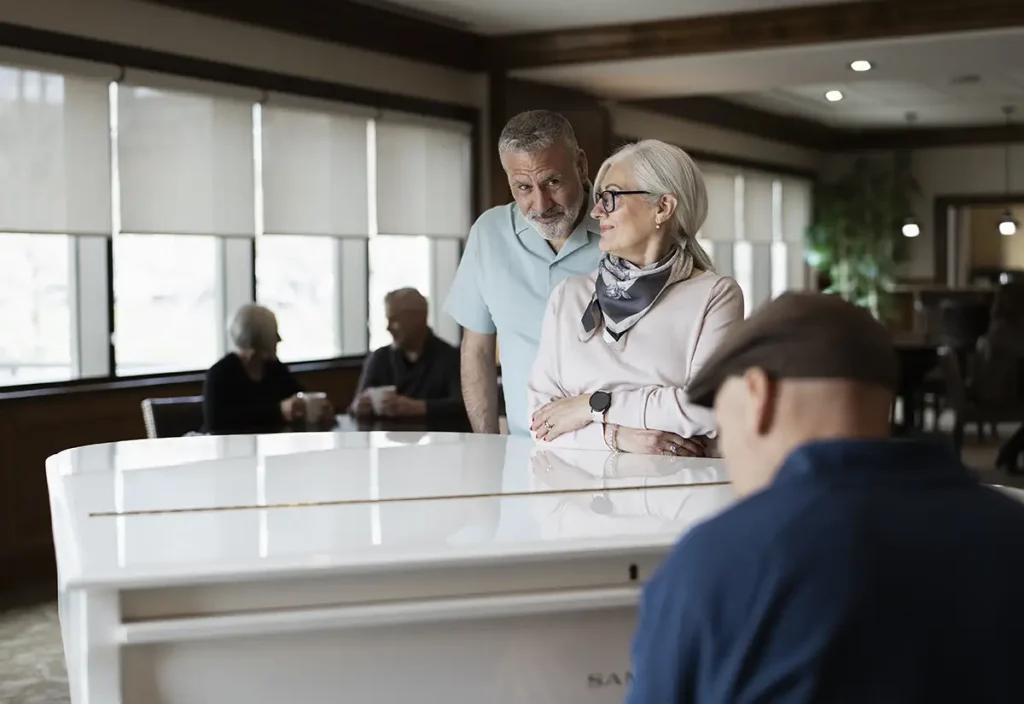
Residents of Lépine Apartments get more for their money with on-site perks like a fitness centre, saltwater pool, sauna, and yoga studio—all without the hassle of upkeep.
Most importantly, they increase monthly cash flow. When equity is freed and invested, even conservatively, it can generate steady income. That income can offset rent and, in many cases, leave people better off month to month than they were as homeowners. In stagflation, cash flow is king. Renting supports cash flow. Owning drains it.
Why Purpose‑Built Rental Matters Now
Not all rentals are created equal. Purpose‑built rental communities, especially those built to be owned and operated long term, offer stability that speculative condo rentals cannot. At Lépine Apartments, our philosophy has always been to build homes for people, not for markets. That philosophy matters even more today.
We build spacious, livable homes for families, seniors, and professionals. We design mid‑rise, human‑scale communities that support wellness and connection. We construct durable buildings designed to last for generations. We create accessible homes that allow people to age with dignity. Most importantly, we continue to own and manage the communities we build, ensuring consistency, care, and long‑term stability. In a stagflationary environment, that stability is invaluable.
Staying Close to Home
Equally important is the fact that Canadians do not need to leave their hometowns to access this stability. Lépine communities are already deeply rooted across the region—in Kanata, Renfrew, Smiths Falls, Barrhaven, and Carleton Place—allowing people to remain close to family, friends, healthcare, and the familiar rhythms of their community. Many homeowners assume that selling means being pushed out of the places they love. In reality, high‑quality purpose‑built rental options already exist in the very towns where they have built their lives, offering comfort, continuity, and a seamless transition into a more flexible financial future.
Lépine Apartments offer the freedom to live without debt interest, property taxes, and maintenance headaches and costs.
The Emotional Side of the Decision
Many people hesitate to sell because they fear losing something, whether it is space, identity, or control. But what they gain is often far greater. They gain freedom from maintenance, freedom from financial uncertainty, freedom to travel, freedom to focus on health, family, and lifestyle, and freedom to live in a community designed for comfort and connection. This is not downsizing. It is right‑sizing, financially, emotionally, and practically.
Younger Canadians are facing a different but equally urgent reality. For people in their thirties and forties, stagflation presents a challenge that is less about unlocking equity and more about avoiding debt traps. The cost of ownership is rising far faster than incomes. Many younger professionals are discovering that even if they can buy, they cannot save. Their mortgage absorbs their disposable income, leaving little room for investments, travel, family planning, or building financial resilience.
In this environment, renting is not a compromise. It is a strategy. By avoiding the heavy debt burden of ownership during a stagflationary period, younger Canadians can save more aggressively, invest earlier, and build liquidity instead of tying their future to a single illiquid asset whose value may not grow for years. For this generation, renting in a high‑quality, professionally managed community is a way to build wealth more flexibly, reduce financial stress, and maintain mobility in a rapidly changing economy.
A Clear Path Forward
Canada’s housing system is undergoing a structural reset. Stagflation has exposed the weaknesses of a speculative model and forced us to confront what truly creates stability. And while renting is a strong and often smarter option for many Canadians—particularly empty‑nesters, downsizers, and younger professionals—it is not a universal solution. Larger families with multiple children may still find that a house best fits their needs. The goal is not to suggest that everyone should rent, but to recognize that for a significant share of Canadians, renting now offers greater financial security than owning.
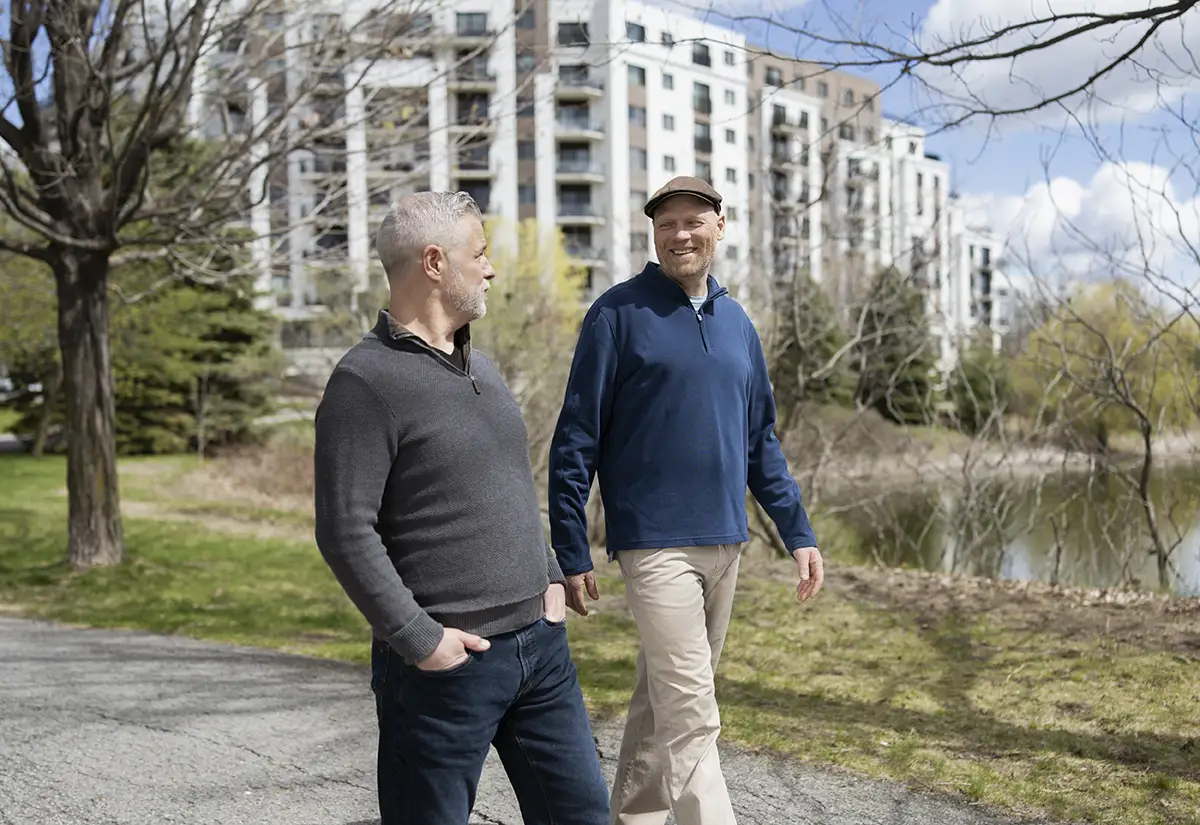
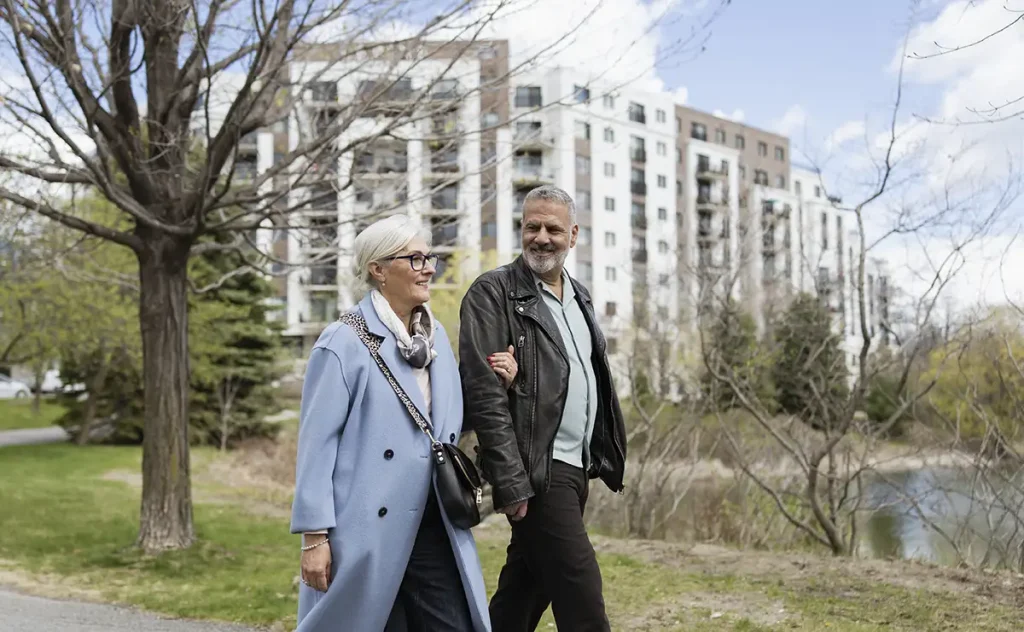
In addition to wellness amenities, Lépine Apartments offer access to outdoor activities and green space, including walking/cycling paths.
For many Canadians, whether in their thirties, forties, fifties, or sixties, the smartest and most financially sound decision is to sell the home, unlock the equity, and move into a high‑quality rental community built for long‑term living. This is not a step backward. It is a step toward security, flexibility, and a better quality of life.
At Lépine Apartments, we have spent more than sixty years building homes that support that future, homes designed for real life, real people, and real stability. Stagflation is challenging, but it also gives Canadians permission to rethink what security really means and to choose a path that supports the life they want to live now, not the one they hoped the market would deliver.