Technical Resilience and Energy Standards for Modern Residential Openings
A high-performance building envelope is a baseline requirement for any residential property owner interested in optimizing thermal regulation. The most common focus for homeowners assessing the structural requirements for Brantford windows is the mechanical reduction of heat transfer through advanced glazing. Modern units are designed to deal with high levels of atmospheric pressure and temperature fluctuation so that the conditions inside are separate from the outside environment. Property owners can protect their home’s infrastructure from the gradual degradation caused by UV exposure and moisture infiltration by using durable materials such as reinforced vinyl or fiberglass.
The logistical planning for windows in King City requires a meticulous focus on architectural precision and airtightness. Modern day installations utilize complicated multi-chambered frames that act as a thermal break preventing cold air entering the living space during winter months. Often these systems include triple-pane glass and inert gas fills which act as an acoustic barrier and are essential for a quiet interior environment. This proactive step to high-efficiency fenestration not only enhances the comfort level of residents on a daily basis, but it is also a critical step in ensuring the overall structural stability of the home.
Key Metrics of High-Performance Fenestration
When it comes to a home that is resilient and efficient, it’s all about material science, precision hardware and environmental protection.
Thermal Conductivity & R-Value Optimization
Choose windows with a high R-value to reduce energy loss. These units are equipped with special spacers and coatings that reflect infrared radiation, so the mechanical heating and cooling systems in the home operate at maximum efficiency.
Advanced Glazing & UV Shielding
Today’s glass technology includes Low-E coatings, which filter the solar energy. This allows natural light into the home, but reflects the specific wavelengths that cause heat gain in summer and fading of interior textiles and hardwood flooring.
Acoustic Insulation and Noise Mitigation
A must-have upgrade for properties close to transit corridors or in developed areas is specialized acoustic glass. The different thicknesses of the glass panes help to break up the vibrations of sound from outside and create a secluded and quiet place.
Multi-Point Locking and Hardware Strength
Safety is an important aspect of today’s window design. Today’s hardware has improved with reinforced strike plates and multi-point locks that hold the sash securely against the frame, improving security for the home and the weather seal.
Sustainable Infrastructure and Continual Property Value
Investing in quality window systems is a wise approach to conserving your resources and safeguarding your property. As energy standards tighten, a well-insulated home provides a resident with predictable and consistent overhead. A professional installation will provide a smooth transition between the new unit and the existing wall structure so that water is shed away from the foundation and you don’t have the hidden rot that can come with older failing seals. That attention to detail in craftsmanship protects the building’s framing and insulation, keeping the property a high-value property in the regional real estate market.
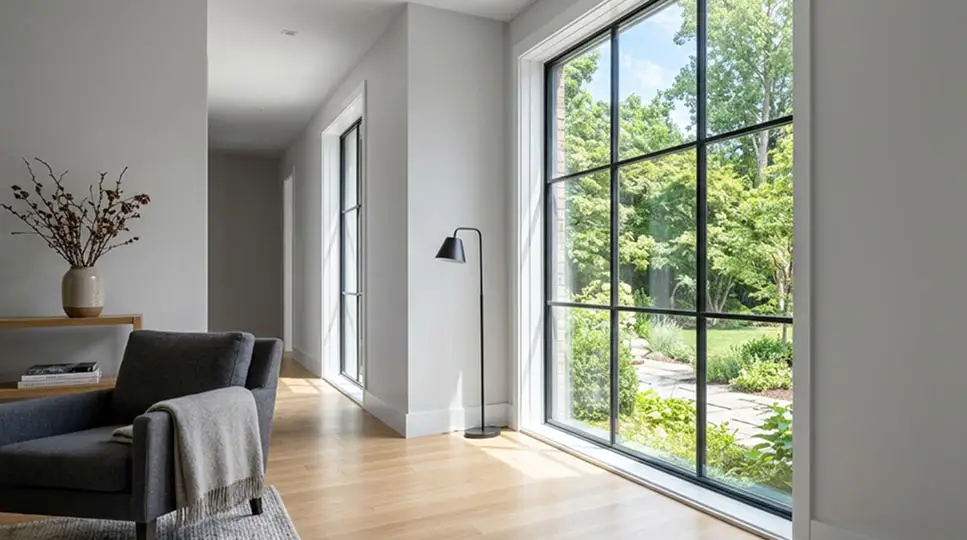
Also, the appearance of modern window styles has a significant effect on the architectural character of a home. Profiles with a slimmer frame expand views and create a stronger connection to the outdoors, improving the living experience. You can choose versatile awning windows to let in air during bad weather or large architectural shapes as a focal point. In either case, the use of premium materials guarantees durability. At the end of the day, it’s the combination of improved material science and expert installation that results in a home that’s more comfortable, secure and sustainable for the long-term.
Photo: Courtesy windowforce.ca