Lépine Puts Their Family Name on Every Building They Build And Stands Behind It

In Ottawa’s rental market, many buildings arrive with polished branding and pretty chosen names that aim to create a sense of lifestyle or identity. The Lépine family takes a different approach. They put their family name on every building they construct, then add the personal pronoun of someone who has meant a lot to them. It is a simple and traditional choice that carries weight because it reflects ownership, responsibility and pride in the communities they build.

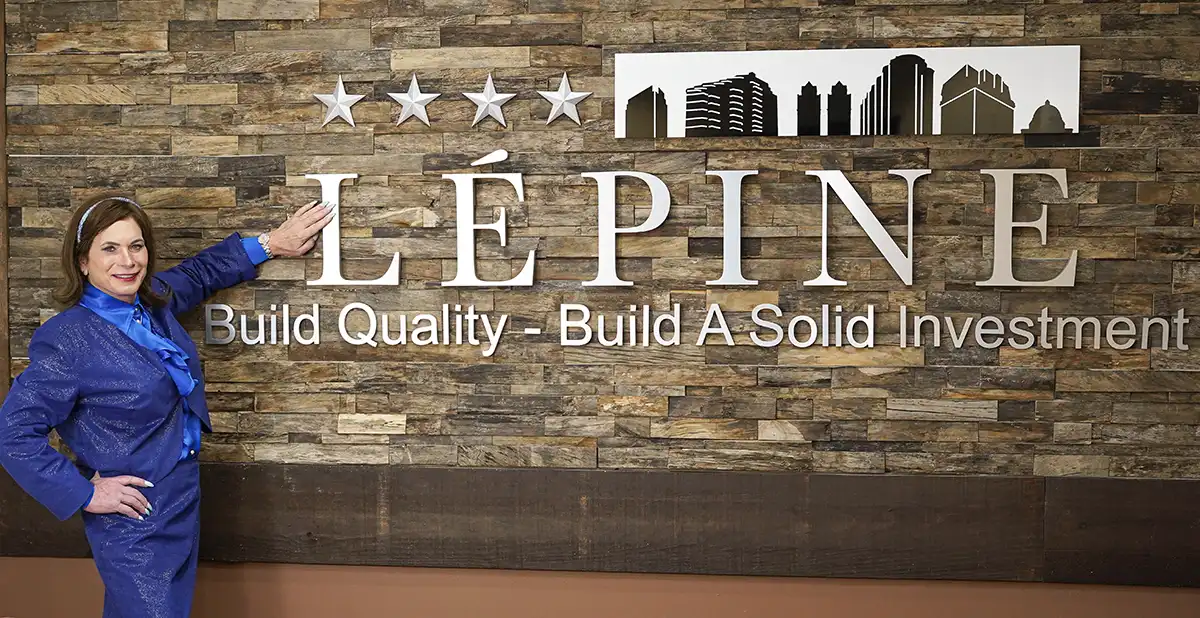
The Lépine family has spent decades shaping residential communities across Ottawa and the Valley. Originally, after building six buildings in downtown Ottawa and eventually selling them, they shifted their focus to the greater outlying areas. Their developments in Kanata, Barrhaven, Arnprior, Carleton Place, Renfrew and Smiths Falls are known for generous suite sizes, quiet construction, and amenities designed for long‑term living and comfort. The most defining feature of each property is the name on the building — the Lépine name. It’s their family signature, a statement that they stand behind the product and the service.

France Lépine says that using the family name on a building is a heavy responsibility that very few have the courage and determination to take upon themselves. She says that “when your family name is on the building you are telling every resident that the building reflects your personal values and your standards.”

That promise is visible in the way the company designs, builds and maintains its properties. Lépine’s philosophy is rooted in longevity. They build for people who plan to stay and make it their home. Their buildings are constructed to feel substantial and quiet. They are designed to support the routines and comforts of everyday life. These qualities require a lot of intention and investment in both time and money, and they reflect a belief that citizens deserve homes that feel dignified and long-lasting.

The scale of the suites reflects this philosophy. They consistently exceed typical rental dimensions and are designed to feel open and comfortable. The attention to soundproofing reinforces that sense of quiet and permanence. Common areas are arranged to be used, not only showcased, and amenities such as complete fitness facilities, expansive lounges and a lot of landscaped grounds framing these massive homes support daily routines. These choices are practical, and they reflect the family’s commitment to creating homes that feel lived in rather than simply occupied.

The Lépine family members remain present in their communities long after construction is complete. They visit their properties and meet residents. They stay engaged with how each building is functioning. This level of personal accountability is unusual in the evermore institutionalized rental housing sector, and it is central to why the family name matters.

France Lépine says that using the family name reflects the care they put into each development. She says, “When our family name is on a building, it means we stand behind the work we have done and the community we have helped create and make our ancestors proud and raises the hopes and dreams of future generations.”

Residents often speak about the comfort that comes from knowing the people behind the building are not distant executives or anonymous corporations. As a family business, they take their standing in the community very seriously and build each project to uphold that reputation. The name on the building is not only a brand. It is a signature. It signals that the people who built the place intend to remain connected to it.

This sense of trust is increasingly important in this age in a rental market where most developments are owned by large investment groups. Those buildings may be modern and efficient, but they are rarely personal. The name on the door is usually a corporate brand rather than a family. The people behind it are often far removed from the day-to-day experience of the residents.

Lépine’s approach moves in the opposite direction of today’s winds; in many ways, it is the old-fashioned way of doing business, of earning a living. By putting their family name on the building, they make themselves known, visible and accountable. They make it clear that the building is not just an asset. It is part of a legacy.

France Lépine says that their family name is their bond. She says, “We want residents to feel they are part of something built with care, not just another number.”

France Charlaine Lepine’s choice to use the family name is straightforward. It reflects her view that the work should stand on its own and that the people behind it should be visible. Across the National Capital Region and in neighbouring communities, the Lépine name is synonymous with residential developments built with intention. Their apartments provide real living space, with wide rooms and layouts designed for how people actually live, not the compressed, awkward, often cold units that have become a feature of so much new construction.

For France Lépine, using the family name is a marker of responsibility. It identifies who built the project and the standards they brought to it. Residents often say that seeing the family name gives them confidence that the building was approached with pride and long‑term thinking.

In a market crowded with fictional or thematic building names, France Charlaine Lépine chooses authenticity. It reflects her approach to development and to her customers and her belief in being visible in the work. “We build it and we stand behind it,” she says, noting that they want residents to feel the building was created with care, “because it was.” And the tradition continues forward.