Illegal Cigarette Packaging After Canada’s Deadline: Where Was Health Canada?
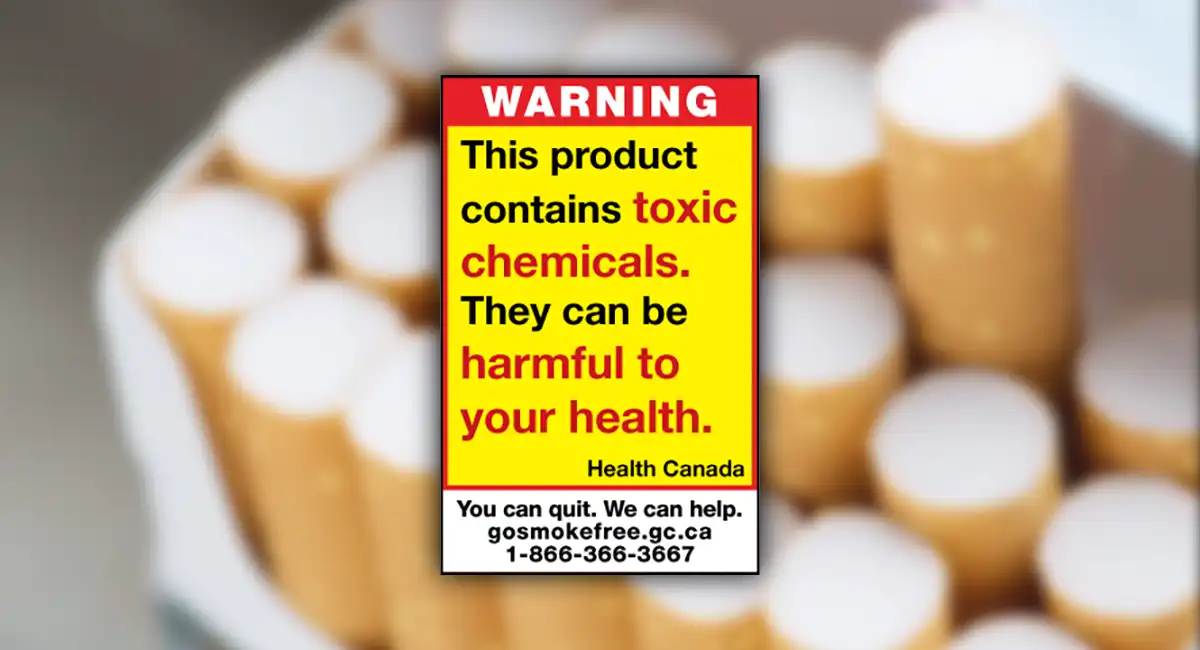
For more than two decades, Canada has treated cigarette packaging as an important public-health tool. Packaging is unavoidable: every smoker sees it when reaching for a cigarette. That is why Canada introduced graphic warnings, plain packaging and rotating health messages designed to reduce the appeal of tobacco, increase awareness of its dangers and discourage young people from starting to smoke.
On August 1, 2026, Canada implemented the latest phase of its tobacco packaging rules. The new requirements include a new rotation of Health Information Messages and a redesigned extended upper slide-flap package. Health Canada’s implementation schedule required manufacturers to sell and distribute cigarette packages with the new health-information-message placement by July 31, 2026, while retailers have until October 31, 2026, to complete the transition.
The distinction between manufacturers and retailers is important. The additional time given to retailers is a sell-through period. It does not give manufacturers an additional three months to continue supplying new packages that do not meet the new requirements.
Yet within days of the August 1 deadline, reports emerged that at least one major tobacco manufacturer was still shipping short-flap cigarette packages to retailers across Canada. If those were newly manufactured or distributed packages, they would appear to conflict with the new requirements.
What Health Canada Says—and Does Not Say
After reports emerged of short-flap products appearing on the market after August 5, Health Canada was asked to clarify whether such products were still being manufactured or distributed and whether enforcement action had been taken.
Senior officials responsible for tobacco compliance, including Cecilia Van Egmond, Director of the Office of Compliance and Regulatory Affairs, and Erika Tulloch, Director of Tobacco, Vaping and Controlled Substances, were contacted.
The inquiry was redirected to Health Canada’s media office, which provided general information about the Department’s compliance framework rather than directly addressing the reported shipments.
Health Canada said inspectors conduct risk-based inspections and may seize, recall or stop the sale of products when warranted. It also said it does not comment on specific compliance verification activities.
Health Canada did not say whether it had investigated the reported shipments or whether any enforcement action had been taken.
When contacted about the reported situation, Victoria Watson, Director of Advocacy & Public Affairs at the Lung Health Foundation, emphasized the importance of the federal packaging rules. “Cigarette packaging rules and regulations, including those that came into force in August 2026, are essential to keeping Canadians safe and ensuring consumers are aware of risks inherent to the product,” Watson said. She added that labelling requirements ensure products entering the marketplace promote awareness of “the health hazards and health effects associated with tobacco use.”
Watson was also asked whether the Lung Health Foundation had been notified by Health Canada, the Health Minister or senior tobacco-compliance officials about products alleged to be currently on the market in violation of federal packaging requirements.
Her answer was simple: “No.”
When asked about the enforcement tools available to Health Canada, including stop-sale orders, product seizures and administrative monetary penalties, Watson said these are “well-established and effective tools of federal regulatory enforcement” and should be used “in a timely, proportionate, and meaningful manner” when manufacturers, distributors or retailers are found to be selling products that do not comply with federal requirements.
Watson also emphasized that enforcement should take into account the seriousness of a violation, including whether non-compliance is repeated or deliberate. “Regulation is only as effective as its enforcement,” the Lung Health Foundation said.
The organization warned that when non-compliant products remain readily available, there is a risk that regulatory requirements become treated as a cost of doing business rather than as a meaningful safeguard for public health.
The issue also affects retailers, Watson said. The continued availability of allegedly non-compliant short-flap products raises questions about whether current monitoring and enforcement mechanisms are sufficient to ensure compliance.
Retailers may reasonably rely on manufacturers and distributors to supply products that comply with federal requirements. Effective oversight, the Lung Health Foundation said, requires proactive monitoring across the supply chain, clear communication with retailers and distributors and appropriate enforcement when violations are identified.
The Foundation also placed particular responsibility on manufacturers and distributors that introduce products into the Canadian marketplace.
The Questions That Remain
The issue now returns to Health Canada.
If the reported short-flap shipments were lawful, the Department should explain why. If they were not, Canadians deserve to know what enforcement action was taken.
Other national anti-tobacco organizations have also raised questions about the reported shipments and are seeking answers from Health Canada about whether non-compliant products entered the marketplace and what action is being taken to enforce the new requirements.
That concern extends beyond a single manufacturer or shipment.
Canada has spent decades building a tobacco-control system in which packaging is deliberately used as a public-health intervention. Health Canada describes the Tobacco Products Appearance, Packaging and Labelling Regulations as part of the federal framework governing the appearance, packaging and labelling of tobacco products. The rules require health warnings and health-information messages on tobacco packaging.
A manufacturer that complies with the new packaging requirements bears the cost and operational burden of doing so. If another company can continue putting products in an older format into the marketplace after the deadline, it raises questions about whether the rules are being applied equally to everyone in the supply chain.
The public does not necessarily need to know every detail of an active compliance investigation. But Canadians should be able to understand whether the reported problem has been investigated whether action has been taken and whether the new requirements are being enforced consistently.
The new rules are clear: short-flap packaging cannot meet the Rotation 2 requirements after the August 1 deadline. In practical terms, new cigarettes should not be arriving at stores in the old-style packages after that date.
The October 31 retailer transition period does not erase that distinction. Retailers may have additional time to sell through existing inventory during the transition; that is fundamentally different from manufacturers or distributors introducing new non-compliant inventory into the supply chain.
If the reported shipments were lawful, Health Canada should explain why. If they were not lawful, Canadians deserve to know what action was taken. And if an investigation is underway, Canadians should at least know that the regulator is addressing the issue.
Regulation without enforcement risks becoming little more than guidance.
Canada’s tobacco laws were designed to make cigarette packaging part of the country’s public-health response. If products alleged to be in violation of federal packaging requirements are entering the marketplace after a clearly defined deadline, Canadians deserve answers about how it happened and what is being done about it.