Capital Risks: Who Has The Most To Lose With Ontario’s New Injury Benefits?
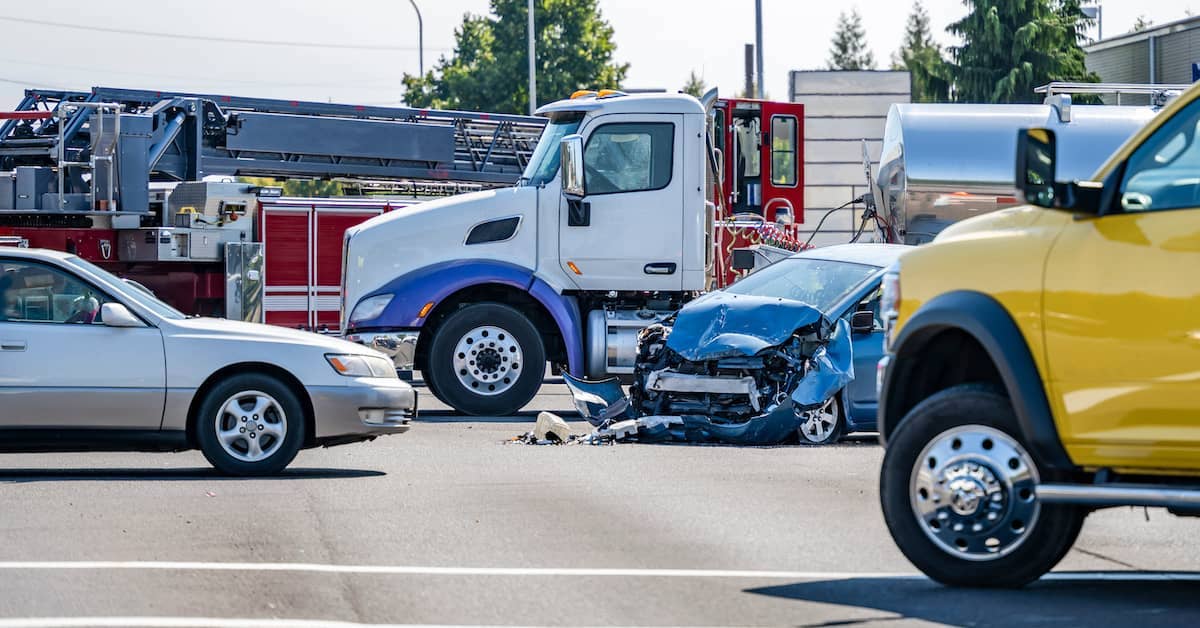
For Ottawa residents, the possibility of being involved in a car accident is hardly theoretical. Data from the Ottawa Police Service show that 19,777 vehicle collisions were reported in the city in 2024. Those included 218 collisions involving pedestrians and another 123 involving cyclists.
Those numbers put Ontario’s recently changed auto insurance rules into perspective. Since July 1, 2026, many accident benefits that Ontario drivers previously received as part of standard coverage have become optional.
The change gives consumers more choice in their insurance, but it also raises a question: who has the most to lose if a serious injury occurs without those optional protections?
Ontario’s Updated Accident Benefits
Ontario’s Statutory Accident Benefits Schedule, commonly called SABS, provides benefits that may be available following an automobile accident regardless of who caused it.
Under the new framework, medical, rehabilitation and attendant-care benefits remain mandatory. However, other accident benefits are now optional for policies entered into or renewed under the new regime. These include:
• Income replacement
• Caregiver
• Housekeeping
• Home maintenance
• Non-earner
• Death and funeral
• Lost educational expenses
• Visitor expenses
• Damage to personal items
The optional nature of these benefits could have very different implications depending on the injured person seeking these supports.
Risks for Primary Earners
Consider a household that depends heavily on one person’s earnings. If they cannot work after a collision, regular expenses can quickly accumulate while they recover.
Under the new SABS reform, income replacement is now optional. If purchased, the system provides income-replacement coverage of 70% of gross income, up to a maximum of $400 per week.
Employer-sponsored disability insurance or another policy may provide additional protection. But self-employed individuals, contractors, or those with limited workplace benefits may face a different situation.
Unpaid Contributions Are Also at Risk
Unpaid work like childcare, eldercare, and home maintenance is vital. Since benefits for these services are now optional, injuries that prevent someone from fulfilling these roles can create significant financial and logistical strain for families. Consider:
• Parents who may provide childcare every day.
• Someone who regularly assists an aging parent or another dependent.
• Household members who cook, clean, shop and perform countless other responsibilities.
If an injury prevents someone from performing that unpaid work, families may suddenly have to find another way to meet those responsibilities.
Serious Injuries Can Reveal Financial Gaps
Brain injuries and concussions, spinal injuries, chronic pain and psychological injuries can affect someone’s concentration, mobility, stamina, independence and ability to work or participate in family life.
The mandatory medical, rehabilitation and attendant-care benefits do not always address every financial need that stems from a catastrophic injury. People can lose the ability to work, and at the same time, be unable to properly care for their families.
That is why understanding what a policy covers before an accident occurs has become increasingly important.
Not Every Injured Is a Driver
The new rules also apply to those injured in a motor vehicle collision who are not the driver.
Under the changes to the SABS framework, purchased optional accident benefits apply to the named insured, their spouse and dependants, and drivers on the policy. This means a cyclist, pedestrian, or passenger no longer automatically receives access to a driver’s optional accident benefits.
However, medical, rehabilitation and attendant-care benefits remain mandatory. Someone who does not have their own auto insurance policy and is not listed on another policy may still be eligible to claim these mandatory benefits after being injured in a motor vehicle accident. These include the Motor Vehicle Accident Claims Fund (MVACF), Ontario Disability Support Program (ODSP), or Ontario Works.
The Insurance Conversation Has Changed
Ontario consumers now have greater ability to tailor accident-benefit coverage to their circumstances. The right combination will depend on individual circumstances, which is why consumers should speak with their insurer, agent, or broker.
Some useful questions to consider before and while reaching out about benefits coverage include:
• How much of the household’s income depends on each person being able to work?
• What workplace disability or supplementary health benefits already exist?
• Who provides unpaid childcare, caregiving or household work?
• Which optional accident benefits are included in the current policy?
• Which members of the household are covered by those selections?
Ontario’s new system places responsibility in consumers’ hands and requires residents to understand which protections have and have not been purchased. For Ottawa households, the worst time to discover a coverage gap is when it’s time to make a claim. Reviewing your current policy and speaking with your insurer, agent or broker can help clarify which benefits you currently have and what optional coverage may be appropriate for your household. If an injury prevents someone from performing unpaid work, families may suddenly struggle to manage those responsibilities.
Disclaimer: This article is provided for general informational purposes only and does not constitute legal advice. Insurance coverage and entitlement to accident benefits depend on individual circumstances and applicable Ontario law. Readers should consult an appropriate professional regarding their specific circumstances.
About The Author
Warren WhiteKnight is a partner at Bergeron Clifford LLP. He is based in the firm’s Kingston office but travels throughout Eastern Ontario each week as clients’ needs require. Warren is an avid cyclist, rock climber, snowboarder, and soccer player, and is heavily involved in volunteer work. Warren understands that when you get injured, the impact runs deeper than skin deep – the entire family is affected, and people lose the ability to work and play as they did before. Warren is a Queen’s Law graduate who achieved top 10% standing all three years and received numerous course prizes and scholarships. Warren regularly represents his clients in court and tribunal proceedings and has an excellent track record of achieving results both in court and in out-of-court settlements.