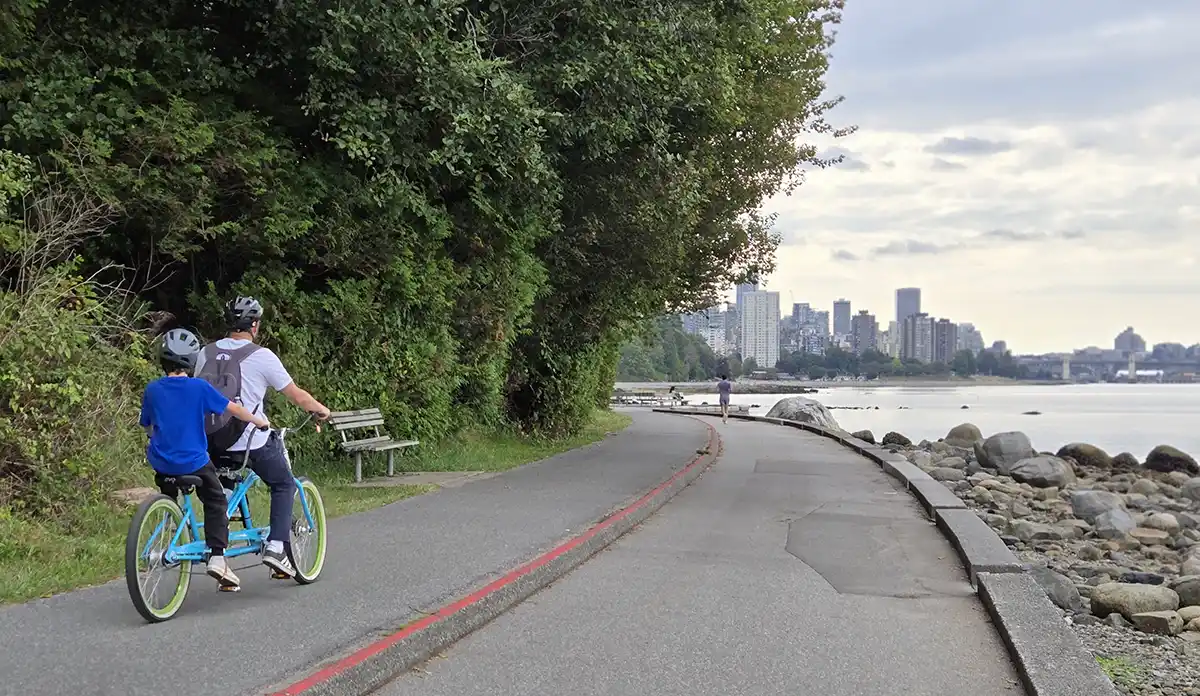
Biking in Stanley Park

  • By: Allen Brown

How to Experience Vancouver Beyond the Usual Tourist Trail

Vancouver is an easy city to associate with spectacular scenery. Mountains rise behind the skyline, the waterfront wraps around the city, and large green spaces provide an immediate escape from the urban environment. For first-time visitors, the obvious attractions are understandably appealing, but there is another side that emerges when you slow down and spend time beyond the standard sightseeing route.

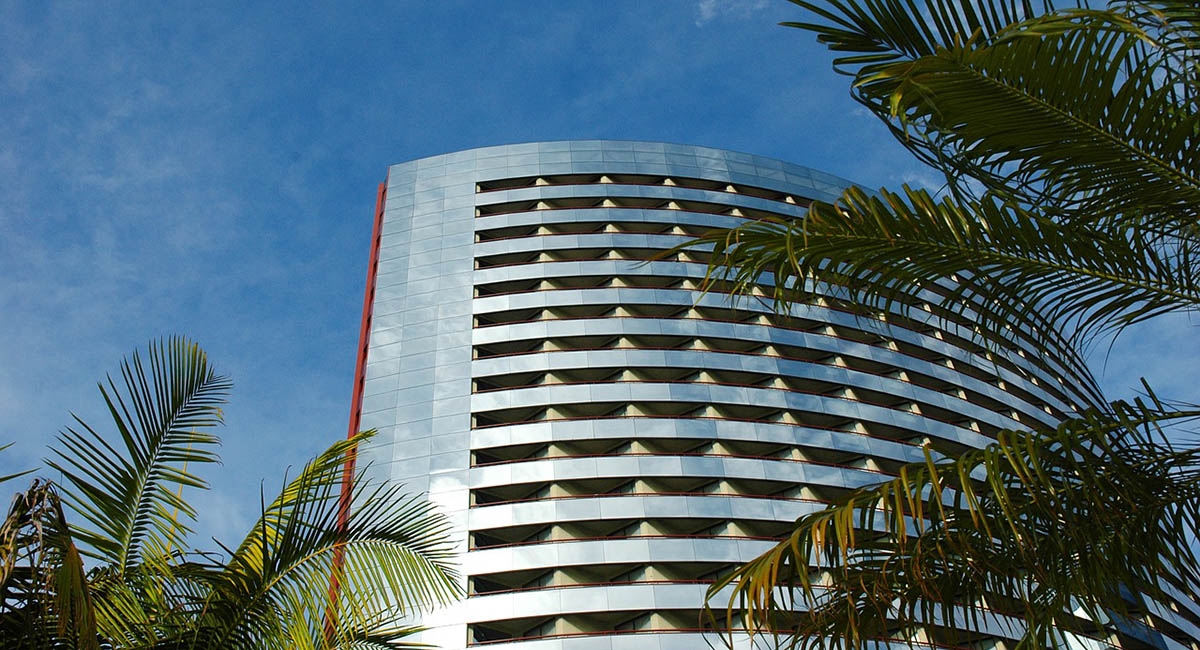
Before putting together an itinerary, it is worth considering where you want to base yourself and how you want to move around the city. Looking at hotels in Vancouver can be a useful starting point, particularly if you want to stay somewhere that makes it easy to combine neighborhood walks, cultural attractions, restaurants, and outdoor activities rather than spending the entire trip traveling between major sights.

Start by choosing a neighborhood

One of the simplest ways to experience Vancouver differently is to think about the city in terms of neighborhoods rather than attractions.

Different parts have their own character, architecture, restaurants, and rhythms. Staying in one area for several nights lets you get familiar with a small part of the city instead of constantly moving from one landmark to another.

Look for somewhere that suits the type of holiday you want. If you enjoy restaurants and cafés, prioritize an area with plenty of independent places within walking distance. If you prefer parks and outdoor activities, consider somewhere that makes access to green space straightforward.

The aim is not to find the universally perfect neighborhood. It is to find the part of the city that best suits your interests.

Explore the city on foot

Walking is one of the best ways to notice details that disappear when you travel between attractions by car or on an organized tour. Rather than setting out with a long checklist, choose a neighborhood and spend a few hours exploring it.

Look at the architecture, independent shops, public art and small parks. Stop somewhere for coffee. Browse a bookshop or market. Follow an interesting street simply because it looks inviting.

Walking also makes it easier to change plans. If you discover an interesting café, you can stop. If a park looks appealing, you can take a detour. If a neighborhood turns out to be more interesting than expected, you can spend longer there.

These unplanned moments often become the memories people associate most strongly with a city.

Make time for Vancouver’s green spaces

One of Vancouver’s defining qualities is how easily urban life and nature overlap.

You don’t need to plan an entire day around a major hike to experience this. A morning walk through a park or an afternoon spent beside the water can completely change the pace of a city break.

Green spaces are also useful when traveling with children. They provide room to run around and break up days that might otherwise involve museums, shops and restaurants.

For adults, they offer something equally valuable: time away from busy streets.

Bring comfortable shoes and avoid treating every part of the trip as a sightseeing mission. Some of the city’s best experiences may simply involve sitting somewhere with a good view and watching everyday life unfold.

Visit local markets

Markets can provide a more personal introduction to a city than major tourist attractions.

They bring together food, crafts, local businesses and residents, creating an opportunity to see what people actually buy and eat.

Give yourself time to browse rather than rushing through. Try something unfamiliar, speak to stallholders and look for locally made products. Even if you do not buy anything, markets can help you understand the character of a neighborhood.

They are also particularly useful for travelers who want to keep some meals informal.

Picking up ingredients or prepared food can be an affordable alternative to eating in restaurants for every meal, while still giving you an opportunity to sample local flavors.

Follow Vancouver’s food culture

You do not need a formal food tour to explore the city’s culinary identity.

Instead, pick a few different neighborhoods and look for the kinds of places residents use regularly.

Independent restaurants, bakeries, cafés and small food businesses can tell you a great deal about a city’s culture. Vancouver’s diverse population is reflected in the variety of cuisines available, making food one of the easiest ways to explore different cultural influences without leaving the city.

Try not to plan every meal weeks in advance. Leaving a few gaps gives you the freedom to follow recommendations, choose somewhere that catches your attention or return to a place you particularly enjoyed.

Take public transport when practical

Using public transport can make a city feel more accessible.

It also changes the way you experience the journey between destinations. Instead of seeing only the start and end points, you get a glimpse of different neighborhoods and the people who live there.

For visitors, this can be a useful reminder that Vancouver is not simply a collection of attractions. It is a working city where people commute, shop, meet friends and go about their everyday lives.

Of course, consider the time involved and choose the most practical option for longer journeys. But where public transport is convenient, it can be an enjoyable part of exploring.

Look beyond the obvious waterfront views

Water is an essential part of Vancouver’s identity, but you do not always need to visit the most famous viewpoint to appreciate it.

Explore less obvious stretches of waterfront. Look for quieter places to sit. Walk at different times of day.

Early mornings can offer a completely different atmosphere from busy afternoons. Evening walks can reveal another side of the skyline.

Changing the time and pace of an experience can be more effective than constantly adding new attractions to an itinerary.

Give yourself an unscheduled afternoon

One of the biggest mistakes on a city break is overplanning. It is tempting to create an itinerary that fills every hour, especially when visiting somewhere for the first time. But this leaves little room for the unexpected.

Reserve at least one afternoon with no fixed agenda.

Start with a general idea, such as exploring a particular neighborhood, and see where the day takes you.

You may find a gallery, discover a restaurant, or simply spend longer in a park than expected.

That flexibility is particularly valuable in a city where natural spaces and urban neighborhoods sit relatively close together.

Visit cultural attractions with context

Museums and galleries are worthwhile, but they become more meaningful when you understand the communities and stories behind them.

Before visiting a cultural attraction, spend a little time learning about its focus. Think about whose stories are being told and what they reveal about the region.

This approach can transform a quick visit into a more thoughtful experience.

It also encourages travelers to look beyond the most photographed attractions and engage with the city’s wider cultural identity.

Explore in different weather

A city can feel dramatically different depending on the weather. Rain does not necessarily mean canceling plans. It can be an opportunity to explore cafés, galleries, independent shops, markets and indoor cultural attractions.

Likewise, bright weather can encourage longer walks and outdoor activities.

Rather than trying to control every element of the trip, build an itinerary that can adapt.

Packing appropriately makes a surprising difference. Comfortable footwear, layers, and weather protection can let you keep exploring when conditions are less than perfect.

Slow down before you leave

The final day of a trip is often treated as an opportunity to squeeze in one last attraction.

Instead, consider revisiting somewhere you enjoyed. Return to a favorite café. Walk through a neighborhood again. Sit beside the water. Pick up something from a local shop.

Doing this gives you a chance to experience a place without the pressure of discovering something new.

It can also help turn a destination from a collection of photographs into somewhere that feels familiar.

Photo: OLM staff