Alex Lawson Wants to “Get the Basics Right” in Ottawa: An Interview with the Mayoral Candidate

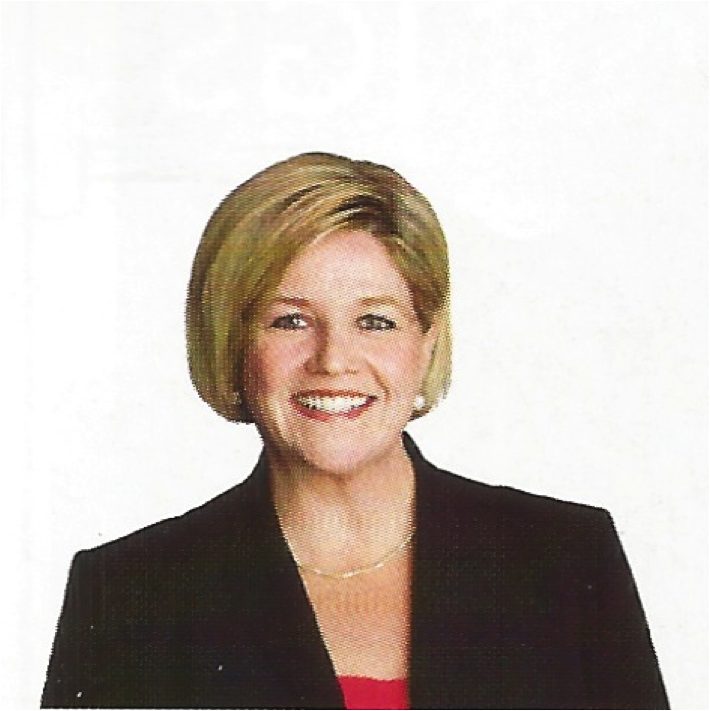
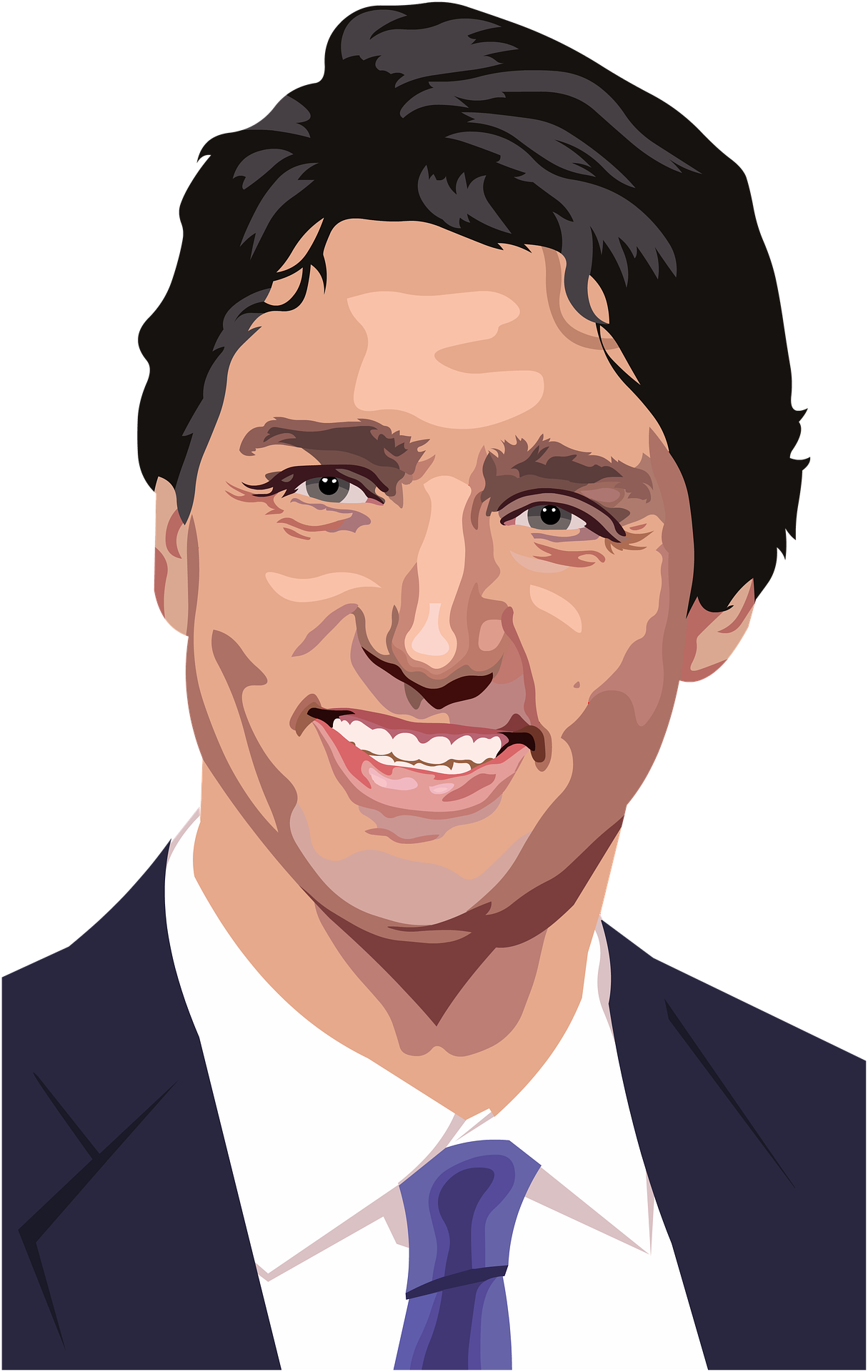
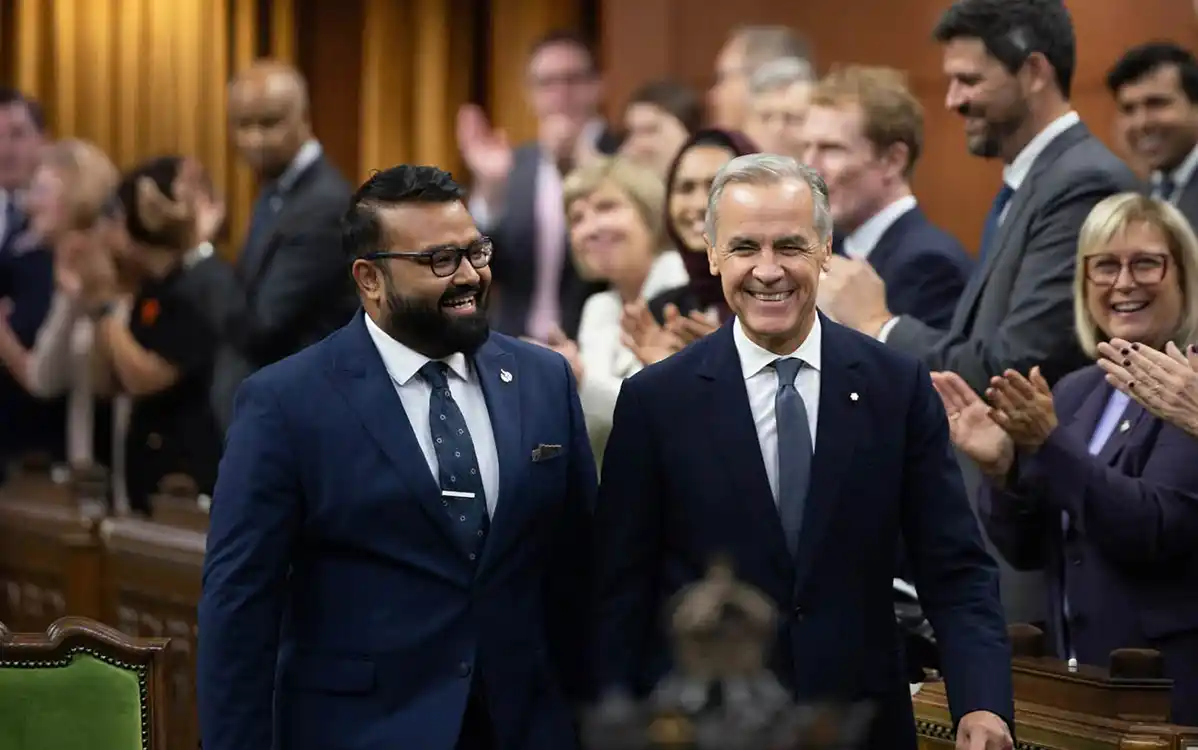
The 2026 Ottawa Election is a four-horse race, with incumbent Mark Sutcliffe battling longtime progressive Councillor Jeff Leiper, former federal bureaucrat and community advocate Neil Saravanmuttoo, and businessman Alex Lawson, all running for the capital’s top job.

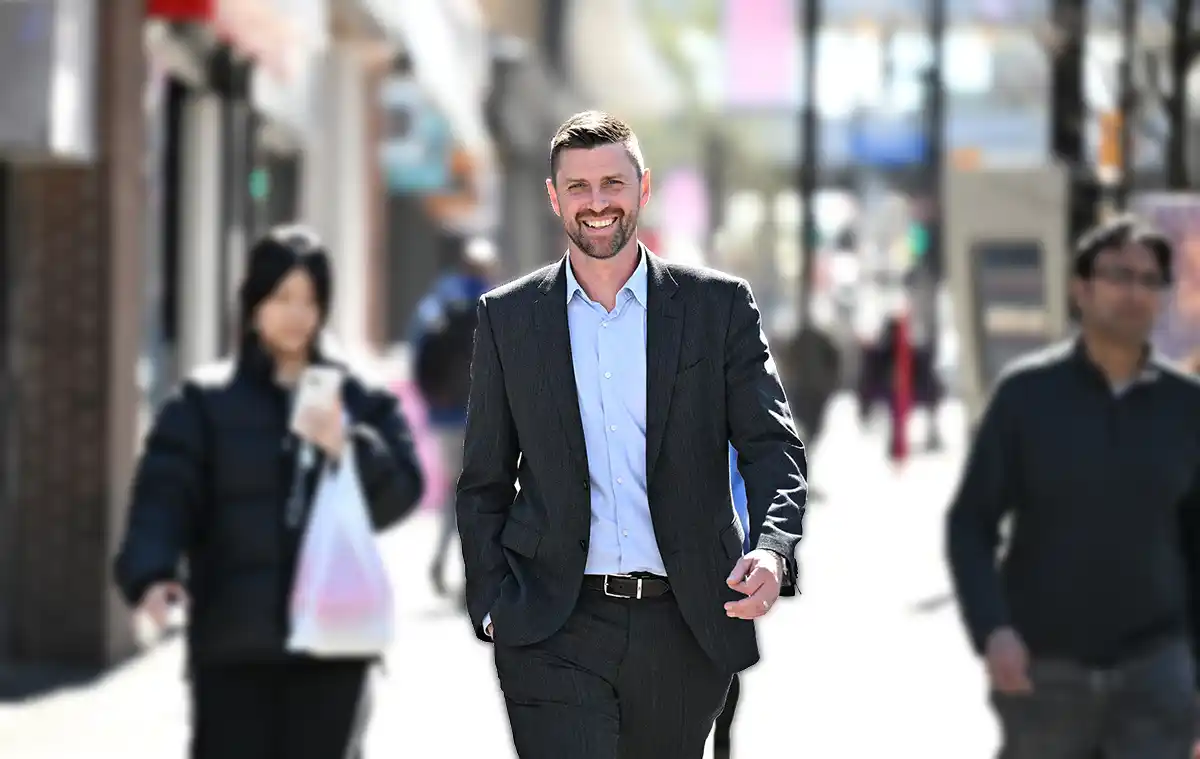
Alex Lawson, despite being a relatively unknown figure before the election, has performed strongly in polling since he kicked off his campaign. A business owner from Dunrobin, Lawson has focused on financial accountability and transparency in his campaign, while also putting forward an ambitious policy agenda to fix OC Transpo service and take a more law-and-order approach to Ottawa’s addiction and crime issues.

Despite his rural residency, Lawson set up his campaign office near Somerset Ward’s Chinatown, saying he wants to see the city’s issues from all angles. Ottawa Life Magazine recently sat down with Lawson for a long-form interview at his campaign office to discuss his policy plans if he wins the mayoral race.

Charismatic and with an evident depth of understanding on city issues, Lawson never once looked at a sheet or statistic during the  hour-long conversation, bringing a populist flavour and small-government-based solutions to a city known for being a government town. Ottawa’s mayoral race may be a four-way competition, but the business owner from Dunrobin brings a perspective on issues that are unexpected in Ottawa politics, firmly positioning him as the everyman in the race.


Ottawa Life Magazine: Tell me a bit about yourself and why you decided to run for Mayor of Ottawa.

Alex Lawson: I decided to run for mayor of Ottawa because I want to get the basics right: crime, traffic, transit, affordability. It’s almost impossible to point to even one example where any of these things have improved in the last four years. I don’t think we should be spending on vanity projects like Lansdowne 2.0 while our infrastructure is crumbling under our feet. Our libraries can’t be open on Sundays, and we’ve got people literally dying in our streets. I think there’s been a lot of bad decisions made in the last four years, including the vacant unit tax. Then there are the parking restrictions that are hurting residents and business owners and the garbage limit. We’ve got a mayor who says he’s trying to keep property taxes low, but it’s come at the cost of increased fees, charges, and fines. Sure, he’s kept property tax increases relatively low, but he has just found new sources of revenue and new ways to punish you for being a citizen of the city.

I think it’s time for a different approach.

Ottawa Life Magazine: If you were elected mayor, what would you do on the first day?

Alex Lawson: It takes a little while to get into the job, but in the first couple of weeks, the first hundred days, there’s going to be some things that we look at implementing right away.

I’m often asked, what is the most important issue to you? What is this a campaign about? Is this a transit election or an affordability election? Is it a crime election, or is it a quality-of-life election? All of these things play into the same ecosystem and economy and have a direct effect. Something that I will do right off the bat is to cancel the vacant unit tax. In the last decade, there have been a lot of policies that have made it harder to build in the city, more expensive to build in the city, and right across the country. But it’s, it’s kicked up the price of rent and the price of homes quite a bit, so they had to find a boogeyman to point at to say, “No, no. It’s not policies, it’s not anything. It’s not red tape. It’s not anything we’ve done; it’s investors buying properties and sitting on them and not letting anybody move in”. So, now there’s something to fight, a boogeyman. Enter the vacant unit tax. The number of calls I’ve gotten from senior citizens over the last couple of months about this vacant-unit tax. One person in the Glebe, even though we missed them, chased us down the street to complain about it. It’s stories of people who have had a loved one pass away, and then it takes a while to get everything settled with the wills and the courts. And then, they need to do some renovations to the property before listing it, but they get hit with the vacant unit tax because they haven’t moved anybody in fast enough.

Another man told me he was looking at his mother’s finances because she thought she had already paid her property tax. He went to the bank with her and discovered that she paid the vacant unit tax because she didn’t know how to opt out. She didn’t have a computer—not unlike other older people. You know, if I’m hearing it once, it’s probably happening a lot. An 83-year-old woman called me the other day, saying that she lives in a duplex in the Glebe that’s been in her family since the 90s. Her husband died a few years ago, so she’s living alone. Technically, there’s another unit in her house that could be rented, but the city denied her relief and said they will charge her the vacant unit tax, so she’s being forced to choose between becoming a landlord and selling her house and moving. This senior is forced to deal with this now, and if not, she said that next year she will be taxed $46 thousand because the tax increases every year. She is on a pension, has a fixed budget, and is scared that if she is forced to pay the tax, she will have to rely on the food bank. Why is the city punishing the vulnerable population?

As far as Lansdowne 2.0 is concerned, it is another example of a bad decision, as is the three-item limit for garbage, which has led to dumping across the city, even though we bought a new dump. It’s also transferred the collection to the private sector. Meanwhile, we stopped paying for recycling collection in January, saving $8 million a year. Where’d that money go?

Ottawa Life Magazine: It almost seems like the city’s problem is that it’s a tax-and-spend system where everything has a new tax on it. The government begets more government.

Alex Lawson: It does. We’re going to start by opening up all of these books. We’re going to start by looking for where the waste is, where the savings are. I don’t think we have a revenue problem; I don’t think we need to increase property taxes or increase levies; we need to find where the money’s being wasted. Let’s find the leaks in the buckets.

Mayor Suttlifce said his fiscal plan included finding $250 million in savings. So, the man who was in charge when the budget was written is saying that there’s a quarter billion dollars that he could just cut. If he’s saying that, there’s money to be found there, and we shouldn’t have to look to increase property taxes. The question is, what are we going to do right away? We’re going to cancel the vacant unit tax; we’re gonna get rid of paid parking to support small businesses; we’re gonna get rid of the three-item garbage limit.

Then after the books are opened up, and we see where the real waste is, then we’re going to start having conversations with the province about doing some things better.

Ottawa Life Magazine: That’s a pretty ambitious agenda to try to scrap those things. Council in Ottawa is basically split 50-50 between a very progressive bloc, mostly elected in the downtown core, and people like yourself from rural areas. The province instituted Strong Mayor Powers in 2022. Mark Sutcliffe was against using him, saying he wanted a consensus-based agenda with Council. If you are elected mayor, will you feel comfortable using the Strong Mayor Powers?

Alex  Lawson: You’re right, there is a pretty divided Council. There is the left and the right, the urban, the suburban, the rural, and they’re all battling each other. This is what happens with a group of people when you don’t have strong leadership. When you don’t have somebody that’s saying, “Look, this is the mandate from the voter. This is what they want from us, and this is the job that we have to do it.” I will talk to the individual counsellors and work with them to understand, and then to be understood. The electors will know where I stand on issues, and if elected, I’m not ruling out reaching for the Strong Mayor Powers.

Ottawa Life Magazine: One of the big concerns you raised is public safety, vagrancy complaints, homelessness, mental illness issues, drugs and addiction—they all are intertwined. What would you do to make Ottawa’s streets safer and address these issues?

Alex Lawson: When we talk about addiction, we need to look at things completely differently. The city’s strategy has thus far been harm reduction without a pathway to recovery. They are handing out pipes, handing out syringes, giving out drug kits. When I met with different community health centres, they showed me how easy it is to smoke crack with the kit. This is what we’re doing to help people? But then there are outreach groups like SOS Steps Off the Street, run by Gerald Jorgensen, who was on the streets of Ottawa for two years, addicted to Fentanyl. He’s clean, and now he’s working to get others off the streets, but when somebody decides, “Okay, that’s it. I’m ready to go. Get me out of this”, he has to drive him to Kingston because we don’t have options in Ottawa—The Ottawa Mission is starting to do it— but until we start treating addiction as something to be cured, this isn’t going to get any better. It’s going to get much worse.

Then there’s the policing aspect of it as well, right? Visible policing and proactive policing are important. We also need some help from the provinces, and I’m going to line up with the other mayors to say that we need more power to be able to arrest people who are under the influence of drugs, too. When they’re Fenty-leaning and a danger to themselves or others, we need to be able to put them somewhere. We need to talk to the province about it — the mayor of Barrie is saying the same thing—to get some new laws.

Let’s look at the number of police in Ottawa, too. Do you know how many officers are on the streets at a minimum at any given time? It’s 42 for the entire Ottawa area, a million residents from Dunrobin to Cyrus Field. That’s the same number as it was in 1995, before amalgamation, and those communities had their own police forces, or they had OPP. We took it all over, and we kept the number 42. So, it’s no wonder you feel like the police can’t do anything. There was a woman in Westborough recently whose house was broken into while she and her kids slept. They called the police at, I think, 7 a.m., and it wasn’t until 6 p.m. that somebody got back to her and said, “An officer is not coming. I’m going to take your report over the phone.”

Really, this is what’s happening because we just don’t have enough police officers? I think we should— I haven’t made this part of my platform yet—double the number of police over four years and double the minimum number of officers on the street at any given time.

Ottawa Life Magazine: Policing has been a contentious issue within the city of Ottawa, especially in the downtown core. Progressive councillors are always demanding that the police budget be slashed and the money put towards social services. Suburban and rural councillors are generally very supportive of an expanded police budget. What is your position on policing as a whole, and if you’re elected mayor, would you do what Mark Sutcliffe’s initially pledged and sit on the police services board, or at least sit in on the meeting?

Alex Lawson: He’s not, at least he’s not currently, and I can’t imagine how or why. I met with Matthew Cox, the president of the police Union. He was telling me that the amount of crime happening that we don’t hear about is ridiculous. 

I believe it was last week that a man was shot in the face on Bank Street. Apparently, he’s still alive—that one made the news. That night there was a second shooting, and there were three stabbings—we didn’t hear about those in the news. Just like we don’t hear about it when the officers are coming to take over from the night shift, already got a queue of calls that they have to tend to that the other guys haven’t been able to get to because we just don’t have enough police. So? Yes, I agree that police aren’t the answer to everything, especially if somebody’s having a mental health crisis and they’re not in danger to themselves or to others. They need someone to go talk them down. Let’s have another option, but we need police, and we need a police presence—we need them to be able to be seen because people will stop doing the blatant drug dealing in the middle of the street. 

I’ve done two ride-alongs so far. The officer was pointing out drug dealers as we were driving around: “That’s a drug dealer. That’s Susan. That’s Bill, oh, look, they’re doing a drug deal right there”. But, according to the mayor’s office, crime is down, and we’re the safest city by far. When I talked to residents of the Glebe, they told me, as I was canvassing there, that their kids are counting needles on their way home from school.

There isn’t a single pocket of the city that feels safer. If you take what is happening on Eccles, in Lowertown by the Shepherd’s of Good Hope, and the Salvation Army, at the Sandy Hill Community Health Centre, at King Edward and Daley, at 420 Cooper, at Bank and Argyle—I know that I missed a couple— if you put those all there areas into one strip, do we look any different than Vancouver? I think we’re going to be comparable.

Ottawa Life Magazine: Transit has dominated the news in Ottawa since the LRT first launched. The transit system just isn’t working for most residents. What’s your transit plan, and how would you address the issues with OC Transpo?

Alex Lawson: My full transit plan is up on the website. We put that out in May, and it’s fun to read it, and then you look at some headlines. For a couple of months after, a lot of my transit plan was actually implemented. Last year, the system managed to lose $54 million. So the city left people out in the cold, and they lost money. There is something seriously wrong with this system. Bus drivers started calling me, saying, “Alex, I know you’ll listen to me”. I also sat down with the president of CUPE 5500 and with the Amalgamated Transit Union (ATU) Local 279, which covers the operators and mechanics. There are serious problems. One bus driver told me that he’s driving his route at night, at 10:30 or 11 p.m., and there are no passengers. Nobody got on. Nobody got off. We could argue that the route didn’t need to be run or that he could have been driving a small bus. There was no traffic, and he started the route on time, but he finished seven minutes late—so, our routes are designed to fail because OC Transpo has been cutting back. They keep shaving a couple of minutes off, saying they’re saving, but that makes the service unreliable. Eventually, throughout his day, the driver ends up being 25-30 minutes late for a route, so they just cancel that route. That’s where a bus straight up doesn’t show up. Or, people who ride the bus will tell you that they often see two buses show up at once after waiting half an hour.

What we need to do first is we need to get down into the management level, and I’ve heard good things about Rick Leary. So, I’m confident that we won’t have to get rid of him, but we need to be honest about the service that we can provide right now, right?

If OC Transpo can’t provide bus service every 15 minutes. They shouldn’t pretend they can. They should figure out what it actually is. Is it 22 minutes? They should be able to offer a bus every 10-15minutes on a lot of the routes, but if they can’t, let’s not pretend and leave people standing out in the cold.

My opponent, Jeff Lieper, is proposing a service guarantee: a refund for the rider when they are late. But the $4.10 refund won’t do them much good when it’s their third time being late, and they have lost their job. During a debate the other day, candidate Neil Saravanmuttoo said that because the service is so terrible, he would only be charging a dollar for it. So it’s still going to be terrible, but at least it’ll be cheaper? And then Mark Sutcliffe is talking about spending money that he doesn’t have. He has supposedly made a deal to upload the cost of the LRT to Metrolinks, but that deal isn’t signed, right? It’s a letter of understanding.

We can look at fare cuts. We can look at improving the system, but Sutcliffe sayshe’ss just going to spend the money on increasing reliability to above 95. I don’t see any plans of his actually to fix the system without an injection of new money.

We have to get honest about what we can provide. If Suttcliffe is saying he’s going to cut the cost of an OC Transpo pass by 40 percent, you can bet that the money is coming from the development charge on a duplex. I believe there was recently a breakdown of the $67,000 in development charges builders are paying. An astonishing  $14,000 of that was going directly to the LRT. The city is pricing the small- to medium-sized builders out of the market to benefit the LRT’s bottom line.

We need to make transit cheaper and improve the system (especially if the upload occurs and the money comes), but we’re not just going to put it all on the taxpayer.

Ottawa Life Magazine: One of the things that often came up at Transit Commission meetings is OC Transpo’s method of measuring service delivery statistics. Even if a bus or the LRT were late, it would still be ranked at 98-99% delivery, just because it eventually showed up. Have you heard complaints from residents?

Alex Lawson: We dug pretty deep into what’s going on with the transit system and the actual numbers; they have a very creative way of doing the math. Instead of looking at how many people have been affected, it shows a percentage of routes delivered on time. So they have a whole bunch of Sunday and Saturday routes where there’s less frequency. They are being delivered on time and boosting numbers on those weekday routes where they are leaving 60 people stranded.

They should actually show how many people are on an affected bus, but unfortunately they don’t. The greatest impact is on people, so let’s look at the number affected as well. There is a group of university students at Carleton, called Better Carleton Transit Riders, who are looking at the numbers and showing what’s not delivered and what’s not showing up. Obviously, OC Transpo counts a delivered trip as one that’s left the yard. So, if that leaves the yard and then has to come back because something was wrong with the bus, it counts as a delivery trip. That is not service delivery.

As far as transfers are concerned, if they’re 30 minutes late, they count as delivered trips. There was a time, a decade ago, when if OC Transp thought they were going to fail to deliver 45 trips in a day, they’d be rushing around like their hair was on fire to pull in extra drivers and put out extra buses. Back in February, they were failing to provide around 400 routes per day and calling it a success, even though the number could have been as high as 600. It’s weird from a perspective; politicians say this, but we need to get the politics out of it. Most of it needs to be able to run what it can run. So back in January, February, we were down on units on buses. And, you know, there’s a whole conversation of whether we should have been doing preventative maintenance or not. We’ll leave that over there for now, but the fact was, we didn’t have as many buses as we needed.

We were short 107 buses, so we can’t provide as much service. OC Transpo went to Council and said, “Listen, we’re gonna have to cut service because we can’t provide all these because we don’t have the buses”, and councillors said, “Well, you’re not cutting into my ward. No, you’re not cutting service in my ward.”

After pushback and back and forth. They didn’t cut the service down. They kept the same service and pretended they could provide it so the politicians wouldn’t get mad at them, but they knew they couldn’t, and that’s why we have so many cancelled trips. If you know the bus isn’t coming for 30 minutes, you go outside in 30 minutes, or you take the earlier one, andyou’ree a bit early for work rather than standing outside in February. Many people are old, frail, and vulnerable. They shouldn’t be standing outside in the winter. Or people not getting to work or losing their jobs. That’s more than a busing issue.

Ottawa Life Magazine: What would you do to fix the LRT system,

Alex Lawson: I’m not able to go into the weeds on the LRT system and what’s wrong with it because there isn’t anybody willing to talk. It’s been shrouded in secrecy. 

Maybe the solution is with the province. Maybe it’s Metrolinx. Maybe it’s a third party that needs to look at what is wrong with this thing? Just stop at these Band-Aids. How do we make this thing actually work? And you know, what if we have to bite the bullet and we have to take that curve at Herdman, where bus drivers are telling me they used to have to drift their bus around that curve, and it’s just right to get around if we have to fix the radius on that. We need to find out how much that fix will cost, or we have to get a different set of trains. That’s what we have to do because people need to be able to rely on this service, and we need to provide express bus service, especially while it’s so unreliable. I don’t think it’s managed to hit that 20-day threshold without a problem —it was supposed to hit that before it launched.

Until they can actually meet that threshold, we’re going to run express buses. We need to do something real. We’re not just going to kick this down the road for other governments to deal with and our kids to figure out.

Ottawa Life  Magazine: Earlier you mentioned Lansdowne 2.0, a P3 partnership between private enterprise in the city? Obviously, with the LRT, the management, Rideau Transit Group, is basically just a subsidiary or partner of SNC-Lavalin, and the contract was heavily redacted. What’s your view on city P3 contracts, and with the LRT P3 in mind, you’ve made accountability and transparency a key promise in your campaign; how do you plan to make the city more accountable and more transparent?

Alex Lawson: We need to make contracts more transparent. We have the Sunshine List, which is published annually for salaries, so why can’t we see contracts? We should be able to see absolutely everything online. If there’s work going on at the corner of your street, you should be able to have an easy-to-find database where you can just click on it: here’s who’s doing the work; here’s how much they’re being paid; here’s when they’re going to be done; here’s how long you’re going to be disrupted for.

Why are they redacting contracts? What bad decisions have they made that they don’t want taxpayers to know about? And let’s talk about the competition aspect as well. Once we put all of this out in plain sight, we’ll have other people apply, bringing more competition to the market.

Opening up these contracts so that people can see when a bad decision was made—everybody should be able to see it. If I make a bad decision that’s costing the city millions or billions of dollars, I should have to wear that. Politicians should have to wear that. Accountability will make them a bit more careful about what they do and ensure that the company meets all the standards for that contract—it will also help avoid conflicts of interest with their friend or favoured lobbyist.

These are big, important issues. I’m not against the idea of P3S (public-private partnerships) with the city because that’s sometimes what we need to do. It is a better option than scaling up the bureaucracy and grinding up our own gears, sticking a stick in our own spokes. The private sector can provide solutions to many issues, and we need to attract more businesses into the city.

On that note, I put out a jobs and growth plan a couple of weeks ago, because we’re almost a one-industry town. We are overexposed with the federal government as the largest employer. Ottawa lost something like 34,000 jobs—I don’t recall the exact number right now—8,000 of those were in the federal public service, but the rest were the cascading effects: the dry cleaner, the deli clerk, the carpenter, and so on. All of these trades rely on others with meaningful employment who require their services. 

We should be going out and attracting business to the capital by showcasing our talent pool, creating competition, and bringing those businesses over. It’s probably going to be something like a public-private partnership, where we’ll give a company relief on property taxes, relief on your development charges if they build, say, a service on an industrial lot or a corner that hasn’t had anything on it for forever. We are going to motivate businesses to invest here in Ottawa.

Ottawa Life Magazine: How would you, as mayor, deal with the fact that the Mayor of Ottawa has to navigate more levels of government than the average mayor in a Canadian city? You’ve got the federal government, the NCC, and provincial aspects. Thinking simply of the different roads, like the parkways, it directly impacts everyday life for the Ottawa resident.

Alex Lawson: Part of the job of being Mayor of Ottawa is dealing with these other levels of government, and again, I’m going to use the analogy of sticking a stick in your own bike spokes. If we’re not communicating with the different levels of government properly and effectively, and knowing what work they’re going to be doing on their roads, or when they’re going to be closing a lane here or there.

We absolutely need a ring road, a bypass road down to the South to take the trucks out of the core and off of Bank Street. We also need to build another interprovincial bridge to ensure traffic moves through the East End and gets trucks out of the core. There are many things we need to work on across the different levels of government, including traffic. I think we need to be doing a better job of doing things proactively. 

Speaking of which, at Bank and Riverside, there’s a sliver of property belonging to the NCC that the city needs to take over. It’s literally a sliver that still belongs to the NCC, so when they go to put a sidewalk there, it delays the project by about a year due to the back-and-forth with the NCC.

Apparently, there are instances of little spots like this all over the city—multiple little chunks owned by the NCC that will delay a project. So, in the first hundred days we’re going to put a bureaucrat to work on finding those little slivers and buy them ahead of time. Let’s be more proactive about these things; we might need to do something here one day.  

Ottawa Life Magazine: The City of Ottawa is one of the largest cities by land area in North America, with approximately 80 percent of its area being rural. We’ve had former councillors like Doug Thompson talk about the lack of services in rural areas. What is your main priority with rural issues, and what would you do to improve rural areas if elected?

Alex Lawson: One of the biggest problems that we’re having in the rural areas is that we paint the whole city with the same brush. A little girl died in a motor vehicle accident in Osgood a couple of months ago. Somebody lost their child, and it wwasn’tthe first fatal collision at that intersection. There’s a road maintenance issue. Just because there isn’t the same volume of traffic doesn’t mean rural intersections shouldn’t have high priority. They just don’t seem to get looked at, and work doesn’t happen despite, I think, Mark Suttcliffe promising another $50 million for roadwork in rural areas.

It appears that making money available doesn’t mean that the work will happen. When we look at the kilometres and kilometres of ditches in rural areas, where residents are paying for drainage, it means their ditches are supposed to be maintained by the city. Whether it’s cutting the weeds out or digging it a little deeper every few years, the work needs to be done. The funding’s been made available, but given their current capacity, it’ll take 12 years to catch up—if they started right now. In the meantime, no new items can be added to the list, right?

You can’t treat rural areas the same as the city, and we need to get more creative and agile about opening contracts to smaller companies. The farmers already have the equipment out there, so let’s talk to them. Maybe someone local with the equipment can handle the ditches within this radius, and we can contract them. The insurance they’ll have to carry will be commensurate with the size of the contract; not everybody needs $5 million in insurance right away. We shouldn’t be sending a piece of equipment from a yard in Woodroff to do work in Osgood. We need to make sure that things can actually happen faster. We also need to treat rural areas as they are, given their lower density, and reevaluate speed limits and the placement of stop signs. We need to develop a different strategy for deciding where these things actually go in the rural areas.

Ottawa Life Magazine: In 2020, the city declared a housing emergency, and since then, housing prices have remained high, and rent is unaffordable to many residents in the city. What would you do to address the housing situation in the city of Ottawa right now?

Alex Lawson: I own a framing company, and despite a boost since the PST and HST cuts made by the provincial and federal governments, the problem is pricing. I can list different issues, but development charges under Suttcliffe have increased by around 20 percent since he came in . . . . One of the things, right off the bat, is we’re going to cut the development charges in half. We’re going to talk to the building Community. We’re going to say, okay, what else needs to be out of your way? How can we trim down these costs? But then the devil’s advocate’s going to say, how can you guarantee that those savings are passed on to the homeowner? Well, one, we’re going to bring back those smaller- to medium-sized developers who have left the city because it charges $67,000 to develop a single-family house in Ottawa versus $17,000 in Brockville for a fully serviced lot.

So, we’ll bring more competition into the market again. Another way to guarantee those savings is to collect taxes, provide service, and get out of my way. There’s the homeownership issue, but the rental issue is a huge problem as well—saving for a down payment without the bank of mom and dad—I don’t know how people do it. So, we have to figure out where rents should be, then you will have a year to start being on that path.

Ottawa Life Magazine: So I do have one last question for you, then why are you Alex Lawson, the best person to be mayor in Ottawa in a short statement:

Alex Lawson: I understand the challenges of the people in Ottawa. I grew up in Heron Gate and graduated from Richmond High School. I was no stranger to standing in line at the food bank, getting that snowsuit from a Snowsuit Fund. Now, I’m a small business owner in Dunrobin, with several employees and three kids; the oldest is off to university. I’ve been a lot of places between here and there. I’ve worked a lot of different worlds in the city, wearing a lot of different pairs of shoes, and I have a pretty good understanding of the city. I’m going to bring a different understanding of how people actually interact with their city, what affects them positively or negatively, and what their priorities are. It’s time to focus on the basics, and I’m the type of person who gets down in the weeds to understand a problem and fix it properly. I’m not looking at anything from a high level. I think that’s the difference: I’m bringing to politics the fact that I’m not a politician—I’m somebody like you. I understand you, and it’s time for something different around here.


Election day, Monday, October 26, 2026. For more information on Alex Lawson, visit his campaign website: Alex Lawson for Mayor of Ottawa.


Ottawa residents will have the chance to see the leading mayoral candidates up close at the upcoming debates. 

September 24 — Housing & Development Mayoral Debate
7:30–9:30 a.m. • St. Elias Banquet Centre, 750 Ridgewood Ave.

Co-hosted by the Greater Ottawa Home Builders’ Association (GOHBA) and Ottawa Real Estate Board (OREB), this debate will focus specifically on housing, development and Ottawa’s future growth. The four confirmed candidates are Lawson, Leiper, Saravanamuttoo and Sutcliffe. Registration and networking begin at 7:30 a.m., breakfast is at 8 a.m., and the debate runs from 8:30–9:30 a.m.

October 1 — Ottawa Board of Trade Mayoral Debate
5–7 p.m. • Location TBA

The Ottawa Board of Trade has a mayoral debate scheduled for October 1, focusing on issues important to Ottawa’s business community. The candidate lineup and venue have yet to be announced.

October 15 — Old Ottawa South/Glebe Community Mayoral Debate
7–9 p.m. • Knox Presbyterian Church, 120 Lisgar St.

This four-candidate debate will feature Sutcliffe, Leiper, Lawson and Saravanamuttoo, with CBC Ottawa’s Hallie Cotnam serving as moderator. Questions can be submitted in advance. Broadcast and streaming details are still to come.

October 19 — Housing & Homelessness Mayoral Debate
7–8:30 p.m. • Faculty of Social Sciences, University of Ottawa

Hosted by the Alliance to End Homelessness Ottawa, this debate will focus specifically on housing and homelessness. The four candidates are Sutcliffe, Leiper, Lawson and Saravanamuttoo, with Adrian Harewood moderating. The event will also be broadcast on Rogers TV.