

• By: Allen Brown

A Modern Guide to Unwinding Without the Noise

A quieter evening starts with a clear transition out of work, errands and constant digital input. Without that transition, the mind can carry unfinished conversations, notifications and tomorrow’s tasks straight into bed.

Rest rarely arrives on command. It responds to repeatable cues such as dimmer lighting, fewer screens and a predictable routine. The most useful evening rituals are simple enough to follow on an ordinary Tuesday, while personal choices involving cannabis also require careful attention to timing, tolerance and local law.

Disconnecting from Digital Fatigue

Set a firm stopping point for optional screen use, ideally 30 to 60 minutes before bed. A phone can keep the brain occupied long after work ends because every message, headline and video presents another small decision. The resulting mental fatigue may feel like restlessness, irritability or an inability to settle into one quiet activity.

Start with the feature most likely to pull you back in. Turn off nonessential notifications, charge your phone outside the bedroom or switch it to airplane mode at a set time. The University of British Columbia’s digital detox guide recommends setting realistic boundaries and becoming more intentional about technology use. That approach is easier to sustain than an all-or-nothing ban.

A physical replacement also helps. Leave a paperback, puzzle or notebook where you usually put your phone. If you reach for a device because your hands feel idle, the alternative is already waiting. People who work from home may benefit from putting the laptop in a drawer or bag, which gives the workday a visible endpoint.

Keep expectations practical. One screen-free hour won’t erase a demanding week, though it can reduce fresh stimulation before bed. If a full hour feels unrealistic, begin with 15 minutes and extend the window after several nights. Holiday-style digital detox tips can also work at home, especially scheduled check-in periods and device-free meals.

Creating a Restorative Environment

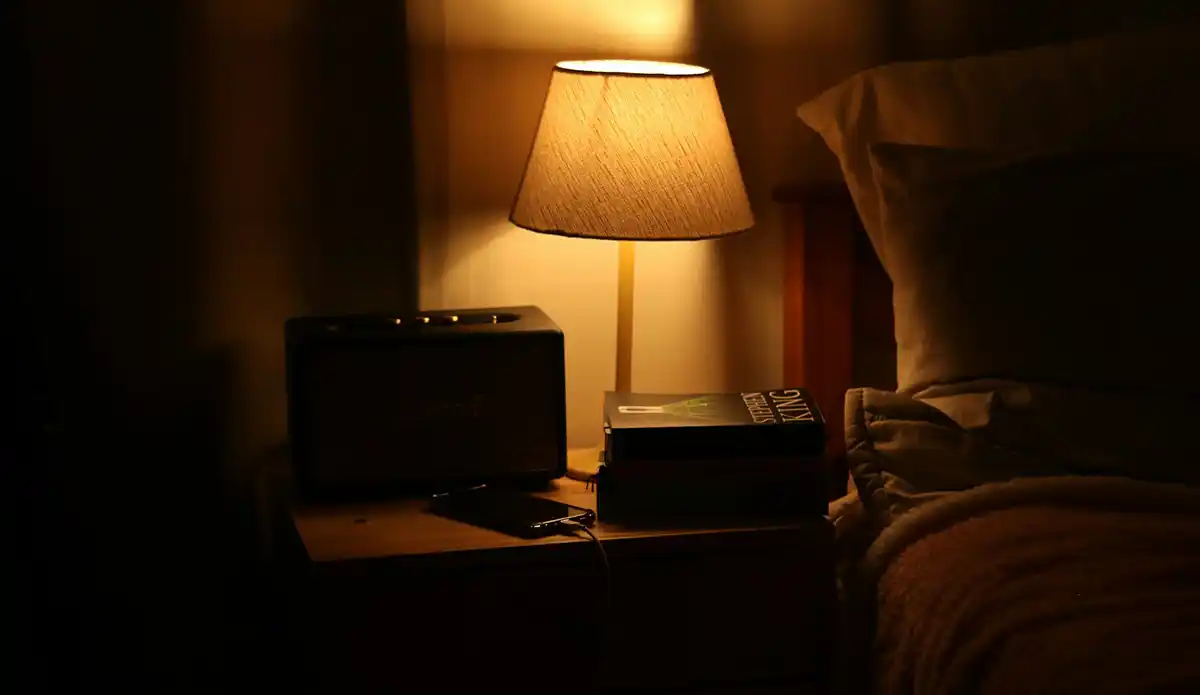
Make the room support the behavior you want. Lower bright overhead lights after dinner and use a warm lamp near the place where you read, stretch or listen to music. Clear away work papers and dishes so the setting doesn’t keep presenting small unfinished jobs.

Temperature and sound deserve attention too. A cooler bedroom often feels more comfortable for sleep, while curtains, an eye mask or steady background sound can reduce disruptions. There’s no need to recreate a luxury retreat. A clean bedside surface, fresh bedding and one dependable light source can noticeably change how the room feels.

Scent may act as a personal cue if you enjoy it, but keep fragrance light and avoid smoke in enclosed spaces. A warm shower, unscented moisturizer or caffeine-free tea can provide the same sense of transition. When choosing any cannabis product such as shatter, treat product selection as a separate decision from setting up the room. Concentrates can contain high levels of THC, so they aren’t interchangeable with a calming candle or cup of tea.

Adults who legally use cannabis should check local rules, read the label and keep products secured away from children and pets. Don’t drive or operate equipment after use and never combine cannabis with other intoxicating substances. Anyone who is pregnant, breastfeeding, taking medication or managing a physical or mental health condition should speak with a qualified health professional first.

The strongest environment cue is consistency. If the same lamp comes on and the same devices go away at roughly 9:30 each evening, your routine becomes easier to recognize and repeat.

Why Shatter Fits Evening Rituals

Shatter is a cannabis concentrate with a brittle, glass-like appearance. Its high potency is the central fact to understand, particularly for someone with limited experience or an uncertain tolerance. Effects vary according to THC concentration, amount used, individual metabolism and prior exposure. A product’s name or appearance can’t predict how a specific person will respond.

Some legal-age consumers include cannabis in an evening routine because they have no remaining responsibilities outside the home. That timing still requires boundaries. The evening should be free of driving, childcare duties, cooking on an open flame and any task that demands quick judgment. Products need secure storage in their original packaging, clearly separated from ordinary food.

Use should also remain a deliberate choice, not an automatic response to every stressful day. Keep track of frequency, amount and next-morning effects for a week or two. A short note can reveal patterns that memory misses, including grogginess, anxiety, rising tolerance or use that is becoming more frequent. Stop and seek professional guidance if cannabis causes distress, interferes with work or relationships or feels difficult to reduce.

The broader routine matters more than any single product. A mental health detox guide highlights boundaries, mindful activities and healthier habits as parts of digital recovery. Applied to the evening, that means giving quiet activities enough time to work before adding anything else. Reading ten pages, taking a shower or doing gentle stretches may be all the transition you need.

Cannabis also isn’t an evidence-free substitute for medical care. Persistent insomnia, panic, low mood or exhaustion deserves assessment from a health professional who can look for underlying causes and recommend appropriate support.

Setting Intentions for Deep Rest

Choose a concrete intention that describes what you’ll do, not how you hope to feel. “I’ll put my phone in the kitchen at 10 p.m. and read until I feel sleepy” gives you two clear actions. “I need to relax tonight” provides no starting point and can create more pressure when relaxation doesn’t happen quickly.

A workable wind-down plan might run for 45 minutes:

• Put devices on charge and write down any task that can wait until tomorrow
• Dim the lights, wash up and prepare the bedroom
• Spend 20 minutes reading, stretching or listening to quiet audio
• Go to bed when drowsy instead of starting another activity

Keep the plan flexible enough for real life. If you arrive home late, use a shortened version with three cues: close the laptop, lower the lights and take five slow breaths. The guilt-free unplugging guide offers a useful reminder that digital boundaries don’t need to involve guilt or perfection. Missing one night doesn’t erase the value of the routine.

Watch for signs that your wind-down habits are working against rest. Late caffeine, emotionally charged messages and clock-watching can all keep the mind alert. Cannabis may also produce anxiety, dizziness or impaired coordination in some people, especially at higher doses. If any part of the ritual leaves you feeling worse, remove it and reassess instead of pushing through.

Give the routine about a week before judging it, while recording bedtime, approximate time to fall asleep and how you feel the next morning. Those three details are enough to spot useful patterns without turning rest into another performance metric.

The evening can end on a small, specific cue: the phone stays outside the bedroom, one lamp switches off and tomorrow’s concerns remain on a written page until morning.

Header Image by Valentina Locatelli on Unsplash. Inset image by Alicia Christin Gerald on Unsplash