• By: Allen Brown

What Is Residential Security? A Guide to Security Guards, Patrols, and Protection Services

A Toronto family leaves home for a week over the holidays. The doors are locked, the cameras are working, and the alarm system is armed. Then, at two in the morning, a notification appears on someone’s phone.

The alarm has been triggered. But nobody is home to check what happened.

It’s a familiar concern for homeowners who rely on technology to watch over an empty property. Cameras and alarms can tell you something might be wrong. They can’t always tell you what to do about it.

So, what is residential security beyond an alarm system? It involves a combination of security guards, mobile patrols, access control and monitoring technology. The right arrangement depends on the property, its location and the level of protection it requires.

What Residential Security Means for Toronto Homes

Residential security refers to the measures used to protect homes, condominium buildings, townhouse complexes and other residential properties from unauthorized access, theft and related safety concerns.

It’s not a single product or service. A complete security arrangement can involve people, regular property checks and electronic systems working together.

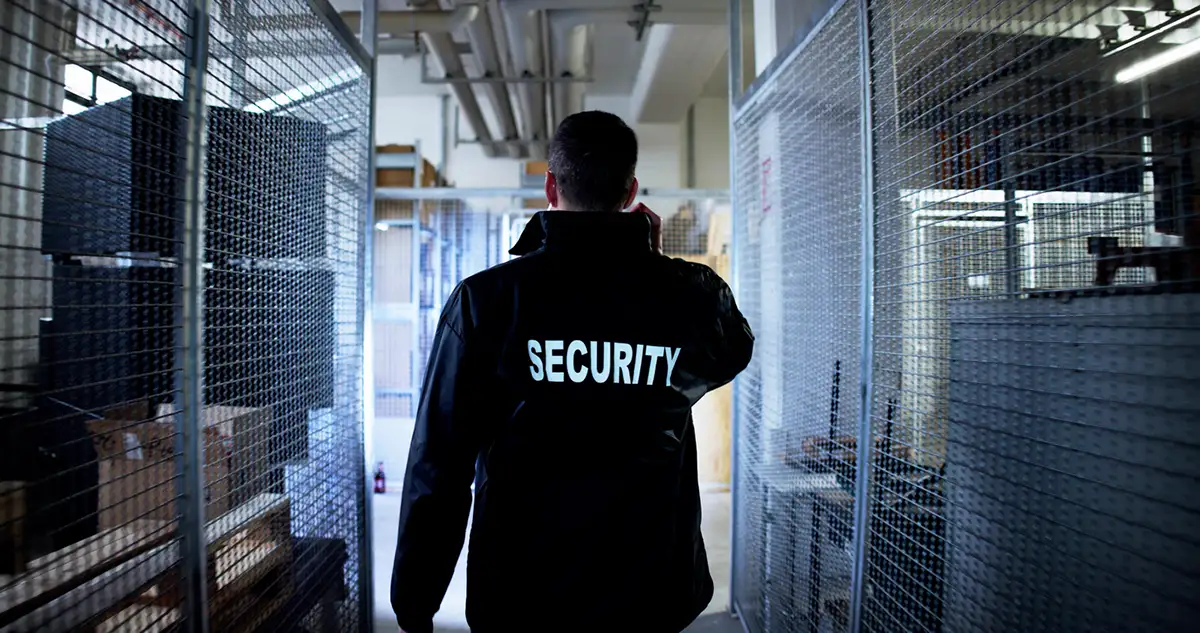
Security guards provide a physical presence. Depending on their assignment, they may verify visitors, monitor entrances, document incidents and respond when something requires attention. In larger residential buildings, concierge personnel may also handle access-related responsibilities alongside their regular front-desk duties.

Mobile patrols work differently. Rather than remaining at one location, guards visit properties at scheduled or varying intervals. They can inspect entrances, check gates and look for damage or signs of unauthorized activity.

Technology provides another layer. Cameras record activity, alarms detect possible intrusions, and electronic access systems restrict who can enter a building.

But an alert still needs a response.

A homeowner in North York may want occasional patrols while travelling. A downtown condominium with hundreds of residents might require staffed entrances throughout the day and night. Good home security depends on understanding those differences before deciding what coverage to arrange.

Why Toronto Homeowners Are Taking a Closer Look

Toronto recorded 6,092 break-and-enter incidents in 2025, according to Toronto Police Service neighbourhood data. That’s approximately 11% fewer than in 2024, when police recorded 6,824 incidents.

The citywide rate was 189.5 incidents per 100,000 residents.

Those numbers suggest improvement across Toronto. They don’t tell the whole story, though.

Break-in rates vary considerably between neighbourhoods. In 2025, some areas recorded rates approaching four times the city average. Bridle Path-Sunnybrook-York Mills and Rosedale-Moore Park both had reported rates more than twice the Toronto average.

It’s important to remember that police break-and-enter figures include different property types, including businesses. They shouldn’t be interpreted as the probability that an individual home will be targeted.

Still, neighbourhood differences help explain why some residents are reassessing their security arrangements.

In April 2026, residents in Toronto’s Rosedale neighbourhood attracted attention after organizing privately funded security patrols. Participating households contributed toward having guards regularly monitor streets following concerns about break-ins and vehicle theft.

The arrangement showed how residential security services can extend beyond an individual home when neighbours share similar concerns.

For homeowners, the useful question isn’t whether Toronto’s overall crime rate has increased or decreased. It’s what the local figures show and whether the property’s existing security measures address its particular vulnerabilities.

On-Site Guards vs. Mobile Patrols in Residential Security

A security guard stationed at a condominium entrance has a different job from someone conducting patrols through a residential neighbourhood.

Both can be useful. Neither arrangement suits every property.

On-site guards remain at an assigned location during their shifts. In condominium buildings and gated residential communities, their work may include checking visitors, monitoring surveillance cameras, overseeing access points and responding to incidents as they occur.

Their presence is particularly useful where people enter and leave throughout the day. A busy residential tower, for example, may have delivery drivers, contractors, residents and guests arriving within the same hour.

Mobile patrols cover properties through periodic visits instead.

A guard might inspect a townhouse complex, check whether a garage entrance has been secured, or visit a vacant home while its owners are away. Patrols can follow established schedules or vary their timing.

Some arrangements also include alarm response, allowing a designated security officer to attend the property when an alarm is triggered.

The distinction comes down to continuous coverage versus periodic inspection.

A large condominium may benefit from having someone permanently stationed at its entrance. A detached home or smaller residential complex might not generate enough activity to justify a full-time guard.

For properties with several security concerns, residential security may involve combining on-site personnel, mobile patrols and alarm response rather than choosing only one.

The responsibilities, coverage hours and response arrangements should be clearly established before services begin.

Security Needs in Toronto Condos and Townhome Communities

Condominium security affects far more people than individual homeowners.

A 2023 industry report, citing the Condominium Authority of Ontario, found that more than 1.7 million people lived in Ontario condominiums across over 12,000 condominium corporations. The sector has continued to grow.

All those shared spaces create responsibilities that don’t exist in a typical detached home.

Consider a downtown Toronto condominium. Residents may enter through the main lobby, an underground parking garage or a secondary entrance. Visitors arrive throughout the day, packages accumulate near reception, and contractors need access to service areas.

Even with electronic access control, someone can enter by following another resident through a secured door. This practice, known as tailgating, is difficult to prevent through technology alone.

Parking garages present another concern. Vehicles entering and leaving can provide opportunities for unauthorized access, particularly when gates remain open longer than necessary.

Ontario’s Condominium Act requires condominium corporations to manage and administer their common elements and corporate assets. Boards oversee decisions affecting shared property, which can include changes to security staffing, cameras and building access procedures.

When guards are employed, written post orders help explain what they’re expected to do.

These instructions should establish which entrances require monitoring, how visitors are handled, when patrols take place and what happens when an incident is reported.

Without clear instructions, two guards working different shifts may handle the same situation differently.

Townhouse communities have their own challenges. Their entrances, parking spaces and pathways are often spread across a much larger area, making patrol routes and exterior access points especially important.

What Ontario Requires of Every Security Guard

Hiring someone to watch a property isn’t the same as hiring a properly licensed security guard.

Ontario regulates security guards under the Private Security and Investigative Services Act. Individuals performing security guard work must hold a valid provincial licence, while businesses selling security guard services must have an agency licence.

New guards must complete an approved basic training program and pass the required provincial test before applying for their licence.

The training program must include at least 40 hours of instruction, including emergency first aid and CPR certification. Applicants who already hold qualifying first aid and CPR certification may be exempt from repeating that portion.

Training covers subjects such as legal responsibilities, security procedures, communication, emergency response and incident reporting.

These requirements provide a baseline for people working in residential security. They don’t replace property-specific training, particularly when a guard is assigned to a large condominium with multiple entrances and established emergency procedures.

Homeowners and condo boards can check an individual’s or agency’s licence through Ontario’s public ServiceOntario registry.

For an agency, the search can be completed using its legal business name or licence number. Individual licences can be verified using the licence number.

Building a Residential Security Plan That Fits

Before choosing equipment or arranging security staff, walk around the property and look for areas that deserve attention.

A poorly lit side entrance, an unsecured garage door or a vacant home that goes unchecked for weeks may all require different measures.

Toronto homeowners can also review neighbourhood-level information through the Toronto Police Service’s public crime maps.

From there, the decision becomes more practical. Determine whether the property needs continuous guard coverage, occasional patrols, alarm response or a combination of these measures.

If professional guards are involved, verify their licensing and confirm the responsibilities included in the agreement.

Good residential security is planned before something goes wrong.

Photo: iStock