
2026 Horse Betting Guide: Odds, Terms, and Race-Day Basics
Horse racing has a way of drawing people in. One moment you’re watching a field thunder down the stretch, and the next you’re wondering why one horse is listed at 5-1 while another sits at 4-5. Soon enough, curiosity becomes part of the fun.
Placing a wager has never been easier, but horse racing still comes with its own language, traditions, and nuances. Understanding the basics of odds, betting terms, and race-day action can help newcomers enjoy the sport with greater confidence.
How Horse Racing Odds Actually Work
Odds are often the first thing newcomers notice, yet they can also be the most confusing part of the sport. Understanding how they work makes every race easier to follow.
Understanding Parimutuel Betting
Horse racing uses a parimutuel system, where bettors compete against one another rather than a sportsbook. All wagers go into a shared pool, and after deductions, the remaining money is divided among winning tickets, causing payouts to change until the race begins. Because the final payout depends on how much money is wagered on each horse, bettors do not know the exact return on a winning ticket until betting closes.
Reading Fractional Odds
Most North American races display odds as fractions. A horse at 5-1 returns $5 in profit for every $1 wagered, while 7-2 returns $7 for every $2 wagered; a heavily backed favorite may sit at 4-5, offering a smaller return. Lower odds indicate stronger support. These odds provide a quick snapshot of how the betting public views each horse’s chances of winning.
Why Odds Change Until Post Time
Unlike many other sports, horse racing odds continue to change until the race begins because every wager affects the betting pool. A horse listed at 6-1 fifteen minutes before post time may start at 4-1 if betting activity increases, offering a glimpse into where public support is building. Late betting surges are common, particularly on high-profile races, and can significantly alter the final odds displayed when the gates open.
The Betting Terms Every Newcomer Should Know
Horse racing has developed its own vocabulary over generations. Learning a handful of common terms makes race cards, broadcasts, and betting apps much easier to understand.
Here are a few of the terms newcomers are most likely to encounter:
| Term | What It Means | Why It Matters |
| Favorite | Most-backed horse | Usually has the shortest odds |
| Longshot | Horse with high odds | Offers larger payouts |
| Scratch | Horse removed from the race | Can change the field |
| MTP | Minutes until post time | Shows time left to bet |
| Morning Line | Predicted opening odds | Sets early expectations |
Track conditions can influence performance. A Fast dirt track is dry, while a Sloppy track contains moisture; on turf, Firm means dry conditions and Yielding a softer surface. Some horses perform better on certain surfaces than others.
Understanding the Most Common Horse Racing Wagers
Most horse racing bets fall into two broad categories. Some focus on a single horse and a straightforward outcome, while others require predicting multiple finishing positions.
Straight Bets
• Win: Your horse must finish first,
• Place: Your horse must finish first or second,
• Show: Your horse must finish first, second, or third,
• Across the Board: Combines Win, Place, and Show on the same horse.
These wagers are often the easiest starting point because the objective is clear and easy to follow throughout the race.
Exotic Bets
• Exacta: Pick the first and second-place horses in order,
• Trifecta: Pick the top three finishers in order,
• Superfecta: Pick the top four finishers in order,
• Pick 3 / Pick 4: Pick the winners of consecutive races.
Some bettors also use boxed wagers, which allow selected horses to finish in any order within an exotic bet. That flexibility comes at a higher cost because multiple combinations are covered.
Choosing a wager is only part of the decision-making process. Many bettors also spend time evaluating the field before placing a bet. FanDuel horse betting includes race analysis and statistical insights for those looking to dig deeper.
Reading a Race Card Without Feeling Overwhelmed
At first glance, a race card can look like a page full of numbers, abbreviations, and unfamiliar symbols. Once you understand the basics, it becomes one of the most useful tools in horse racing. The top section typically lists a horse’s program number, name, jockey, trainer, and assigned weight. Many bettors pay close attention to trainer-jockey combinations because successful partnerships often produce consistent results.
Past performance lines show a horse’s recent racing history, including race dates, tracks, distances, surface conditions, and finishing positions. Reviewing several races can reveal trends that may not be obvious from a single result. Speed figures provide additional context through standardized performance ratings. Rising figures can indicate improving form, while consistently strong ratings may highlight a reliable contender.
What to Watch for Before and During a Race
Understanding what happens around a race can make the experience more engaging, whether you’re watching from home or following through a betting app, before and during the action.
Before wagering closes, keep an eye on track conditions, late scratches, and race classification. These details can influence how a race unfolds and help explain the quality of competition in the field, particularly in larger or higher-profile races.
Not every race carries the same significance. Some serve local audiences, while others attract elite competitors. Readers interested in the sport’s biggest showcases can explore major horse racing events, race meets & carnivals 2026 to follow the racing calendar.
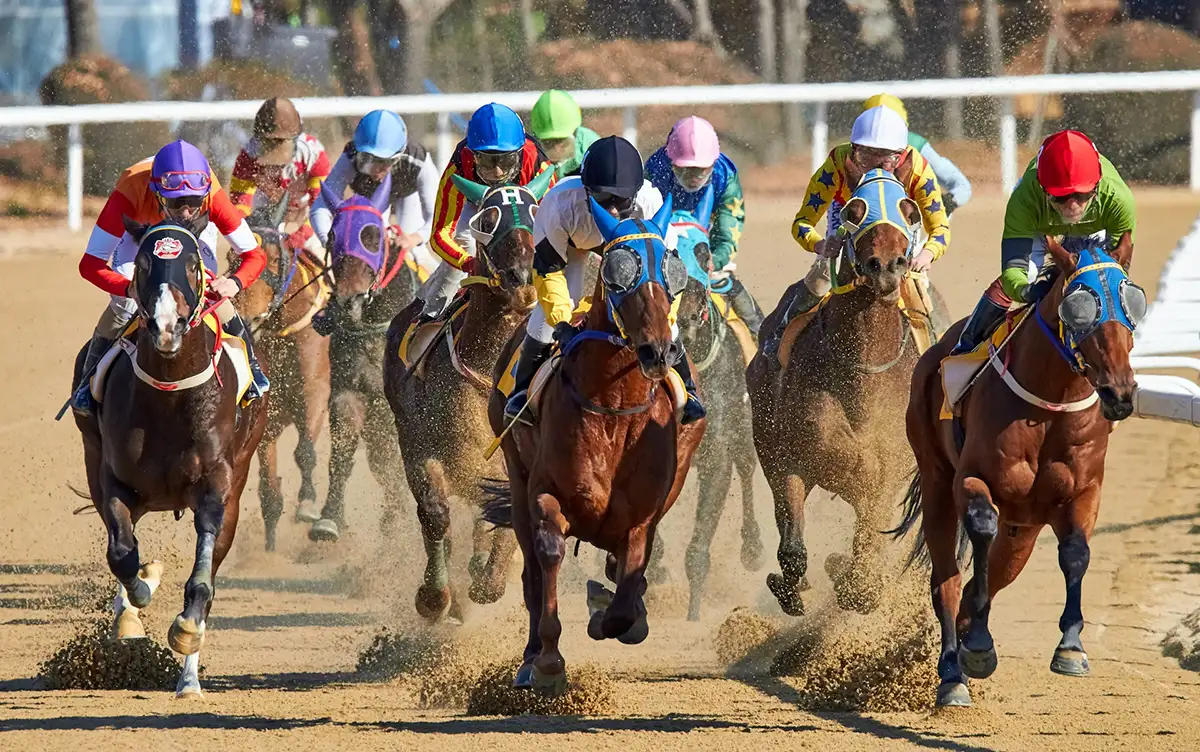
Once the gates open, strategies take shape quickly. Some horses push for the lead, while others sit back before making a late move. The backstretch shows which runners are comfortable, and the stretch run often decides everything.
Practical Habits for New Horse Bettors
Many newcomers focus entirely on picking winners. Experienced horse racing fans often spend just as much time developing good habits, especially when they’re still learning how the sport works. Small routines can build confidence.
A few simple habits can go a long way:
• Set a spending limit before wagering,
• Start with straightforward bet types while learning the basics,
• Use race cards, replays, and post-race analysis as learning tools,
• Pay attention to how horses, jockeys, and track conditions interact,
• Stay patient and focus on building knowledge over time.
Every race offers an opportunity to learn something new. Following races regularly and staying curious can make the sport increasingly rewarding over time. Even small observations can add up over time and shape future decisions.
Seeing More Than the Finish Line
Horse racing combines statistics, strategy, and excitement in a way few sports can match. Understanding odds, terminology, wagering options, race cards, and race-day dynamics creates a stronger connection to the action, both before and during races.
Knowledge won’t predict every outcome, but it can make each race far more engaging. The sport rewards curiosity. A little preparation goes a long way, helping newcomers appreciate not just the result, but everything that happens between the starting gate and the finish line.
Photo: Mathew Schwartz, Unsplash