
• By: Allen Brown

Alberta Just Became Canada’s Second Regulated iGaming Market — Here’s What That Actually Means

Ottawa spends a lot of time watching what other provinces do first. Health care pilots, cannabis retail rules, interprovincial trade fights — this city treats provincial policy experiments as previews of what might land on the federal agenda next. On July 13, Alberta gave Ottawa another one to watch: it became only the second province in Canada to open a fully regulated, competitive online gambling market.

That’s not a small technical update. Until this summer, Albertans who wanted to gamble online legally had exactly one option — the government-run Play Alberta platform. Everyone else was playing on offshore sites with no local licence, no Canadian consumer protections, and no obligation to answer to anyone in Edmonton. Ontario broke that pattern first, opening its market to private operators back in April 2022. Alberta just followed.

The mechanics: two bodies, one framework

Alberta’s new market runs on legislation called the iGaming Alberta Act, and it splits the job in two. The Alberta iGaming Corporation (AiGC) handles the commercial side. The Alberta Gaming, Liquor and Cannabis Commission (AGLC), the province’s long-standing regulator, handles licensing, registration standards and enforcement. It’s a structure that mirrors Ontario’s own split between iGaming Ontario and the AGCO.

Dozens of operators lined up for a licence before launch day, a scramble CBC reported on as the AGLC worked through applications ahead of the July deadline. By launch, familiar national and international names — FanDuel, DraftKings, Caesars, BetMGM among them — were live with local licences. If you want to see how those newly licensed Alberta online casinos actually stack up against each other on game selection and payment options, the comparisons are already being updated as operators onboard.

Why this isn’t just an Alberta story

Ontario’s four years of data give Alberta — and Ottawa policymakers watching both — something to measure against. Ontario now runs 44 licensed operators across 78 gaming websites, a market widely regarded as one of the more successful regulated iGaming rollouts on the continent. That’s the number Alberta will be judged against in a year’s time. It’s also the number that Quebec, BC and New Brunswick will be watching, because the practical question every remaining province now faces isn’t whether to regulate online gambling — it’s whether staying out means losing tax revenue and consumer protection to an offshore market that never asked permission in the first place. Before July 13, the AGLC had no authority over the platforms Albertans were actually using. The shift to a slate of licensed Alberta casino sites, all under one regulator, doesn’t eliminate the choice players have. It changes who’s accountable when something goes wrong.

As Ottawa Life covered when the launch date was confirmed, the ripple effects reach well past Alberta’s own gambling market — even into how Ottawa hockey fans are thinking about provincial betting rules that don’t apply here, at least not yet.

What to watch next

The federal-provincial pattern in Canada rarely stays contained to two provinces for long. Cannabis retail took roughly five years to go from Ontario/Alberta-style early movers to near-universal provincial rollout. iGaming is moving faster. Quebec’s Loto-Québec monopoly model looks the most resistant to change; BC’s government-run PlayNow faces the same pressure that Alberta’s Play Alberta faced for years before this summer. Ottawa won’t be the one making that call. But it will be the room where the next version of this argument gets made.

If you or someone you know is struggling with gambling, free confidential support is available in Alberta through the AGLC’s GameSense program and nationally through the Canadian Centre for Gambling Research.

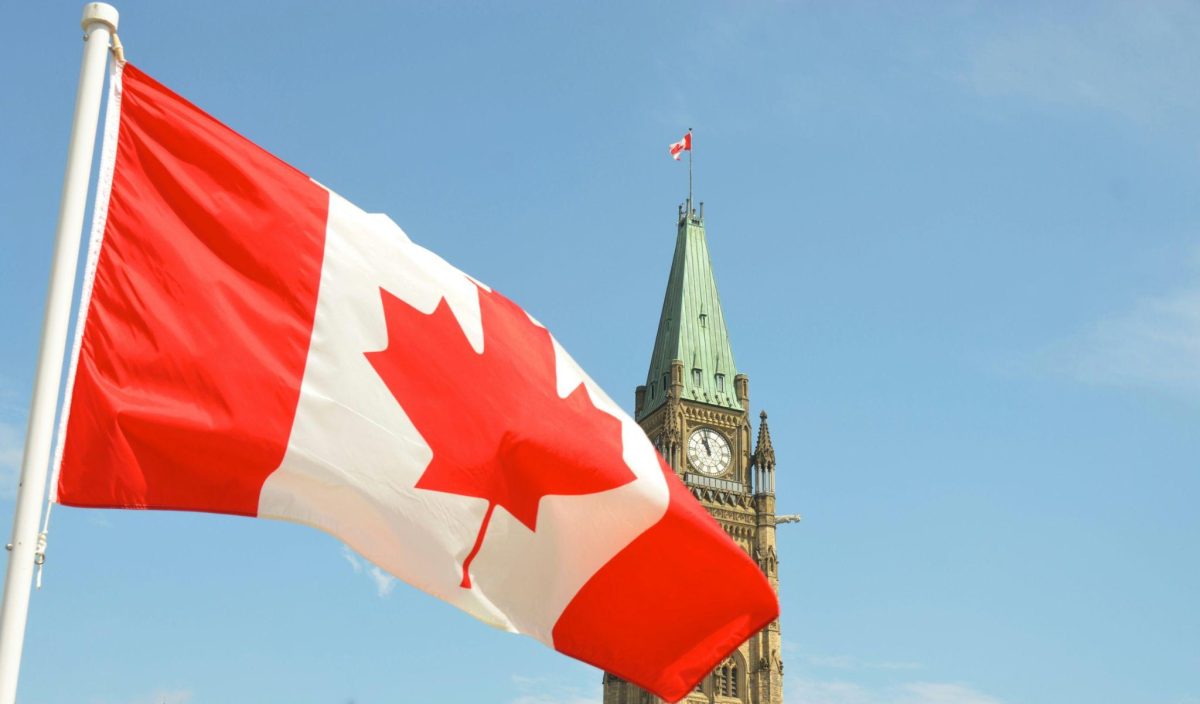
Photo: Jason Hafso on Unsplash