
• By: Allen Brown

Canada Sees Big Tourism Gain as American Getaways Fade

Canadian tourism is on the rise. Many Canadians are choosing to explore their own provinces instead of heading south of the border for their getaways. This is happening more now than at any point in recent years. It’s a great thing for local economies, as millions of dollars that once flowed out of the country are now being spent right here. This newfound focus on domestic travel hasn’t been by accident. There are a lot of factors contributing to this change in travel, and the result is a vibrant new chapter for Canada.


Staying Home Has Its Perks

It’s becoming more popular to stay within Canada for a holiday. A recent Moneris survey shows that a little more than one in four Canadians have changed, postponed, or canceled their travel plans to the United States. Travel between provinces and even within them is becoming the norm now, with an immediate and positive impact on the economy. Millions of dollars are going back into local businesses, with everything from small family-run shops to major hospitality chains benefiting. Within the territories, there’s been a 10% increase in spending, while Alberta and Saskatchewan have also seen significant gains.

This growth in domestic travel shows how Canadians are looking for new ways to spend their downtime. Entertainment options closer to home are gaining in popularity, from buying new video games to subscribing to streaming services. Online casinos are also an option for those who enjoy gaming from the comfort of their own home. These platforms appeal to players because of the welcome bonuses they offer and the large game libraries that are available. Another key factor is finding a site that pays out the highest, with fast withdrawals and a wide range of games like blackjack, baccarat, and other table games that often have better odds.

Canadians are appreciating their country for what it has to offer, and this focus on domestic spending shows that. Political tensions and trade disputes with the U.S. are part of the reason for this movement, and many travellers now feel more comfortable supporting their own country’s economy. 


Why Americans Are Seeing Fewer Canadian Visitors

Trips to the U.S. have been declining for months, whether by car or by plane, and it’s not only leisure travel. Business conferences and school trips have also slowed down. According to Moneris, political and trade disputes have played a role. With tariffs and tensions impacting the relationship between the U.S. and Canada, many Canadians now prefer to avoid the border and keep their spending within Canada.

Local businesses are benefiting from this choice. Restaurants, hotels, and event spaces are seeing more bookings from Canadians who might otherwise have headed south. This means more revenue for the country, which creates jobs and keeps the economy stable. 

There’s also an emotional element at play. Choosing to stay in Canada reflects a sense of pride and loyalty. Travelers are realizing they don’t have to go far to experience breathtaking sights, from the fishing villages of the Maritimes to the mountain passes of British Columbia. Domestic trips are more than just a chance to relax. They’re a way to support local culture, too.


Building New Habits

This trend could really stick, too. Spending a summer along the Cabot Trail or a winter exploring Quebec’s historic streets creates lasting memories. Those experiences compete directly with destinations abroad. The more positive domestic trips people have, the more likely they’ll be to repeat them.

Tourism boards and local governments are expected to launch more campaigns encouraging Canadians to explore their own country. The focus is shifting toward designing experiences that appeal to the domestic traveler. Canadians often look for authenticity, so local foods, cultural immersion, and activities that feel genuine rather than manufactured are right up their alley. This could lead to more community-driven tourism, where travellers get a closer look at what makes each region unique.


The Ripple Effect on Both Sides of the Border

The drop in Canadian visitors is a challenge for the U.S. States that rely heavily on Canadian dollars may need to rethink how they attract tourists. A loyal Canadian customer base can be hard to replace, and the competition for travel spending is fierce. Some U.S. resorts and shopping hubs are already offering deals to try to win back their northern neighbours.

Canadians are optimistic, though. When faced with political uncertainty, they’re more than willing to redirect their plans in ways that benefit the home economy, and the impact is being felt everywhere. Cottage rentals are up, local festivals are drawing bigger crowds, and national parks are seeing stronger attendance.


No Signs of Slowing Down 

The shift in travel preferences points to a rethinking of what makes a great trip. While some Canadians will always be drawn to the sun and shopping of American destinations, others are realizing that their own country offers just as much variety. Whether it’s culture, nature, or entertainment, Canada has something to match almost any desire.

The tourism industry will continue to adapt to changing habits. By focusing on domestic travellers, Canada could see a rise in new attractions, improved services, and stronger regional promotion. At the same time, it sends a message to international destinations: Canadian dollars won’t always be spent abroad. Canadians are choosing to stay home and celebrate what their country has to offer.


Conclusion

Canadians are rethinking their getaways. Spurred by political tensions and a renewed sense of patriotism, more people are opting to stay within their own borders. This change has led to economic rewards, as local businesses see more visitors and stronger revenues. It also changes how Canadians view travel, which may build habits that continue for years. By choosing homegrown adventures, Canadians are strengthening both their economy and their cultural ties. The message is clear: the best trips don’t always require crossing a border.

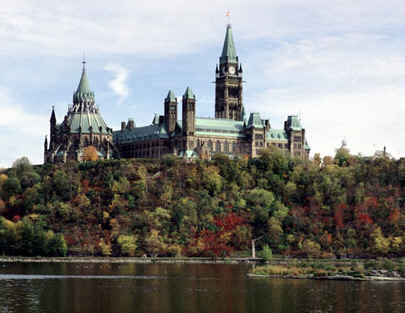
Photo: Andrew Patrick, Pexels.com