• By: Allen Brown

Canada Wildfire Misinformation: How Natural Disasters Are Exploited

In 2026 alone so far, Canada experienced 4,793 fires burning 4.1 million hectares. It’s common for news outlets to report on natural disasters like wildfires that impact millions of lives across the country. But, even news on natural disasters can become clouded with misinformation.

CTV News recently warned of false images of the British Columbia wildfires circulating on social media. This is not the first time that misinformation has spread surrounding natural disasters. Fake images of the California wildfires also surfaced in 2025, depicting the Hollywood sign up in flames. According to reports, the Hollywood sign never caught on fire during these wildfires.

Why Does Misinformation Spread During Natural Disasters?

Natural disasters are dramatic enough events on their own, causing widespread destruction and oftentimes resulting in fatalities. So, why do fake images or misinformation spread in the first place? The answer oftentimes depends on the use case and event that it covers.

In some cases, the misinformation is used to take advantage of political agendas. Climate change, for example, has been a longstanding topic within both Canadian and global politics. When a natural disaster occurs, some turn to climate change to determine if that is to blame. Another example comes from how the natural disaster response is handled. Resources available to wildfire victims, how the government handles evacuations, and the government’s overall response to wildfires are often scrutinized topics during these types of natural disasters.

How to Stop the Spread of Wildfire Misinformation

It can be hard not to come across misinformation if the fake news has gone viral on social media. In some cases, the misinformation can even get picked up by major news outlets before it is determined to be false.

Avoid sharing any news on social media that does not come from a credible source. For example, there is a difference between sharing a government website with an official press release and sharing a news site claiming to cover an official press release.

It’s not just the false information that can spread. Biased news articles can also be shared or interpreted as fact, contributing to misinformation. Find unbiased news articles covering current events. An article is determined to be unbiased if it equally shares all sides of a news story, avoids covering an article from a certain perspective, avoids persuasive language, avoids emotionally-charged language, and shares credible sources that are reported on within the story coverage.

Preventing Wildfire Misinformation in the Future

Because of the ability to share news and information with others through social media, YouTube, and more online platforms, misinformation has become easier than ever before to spread. It’s best to turn to credible sites to understand what is going on during and after disaster strikes.

There are always going to be websites or other outlets that share misinformation or biased news. Understanding how to recognize and avoid it is the first step in combating its reach. When there is an agenda involved in the coverage, it’s best to seek the facts of a current event elsewhere.

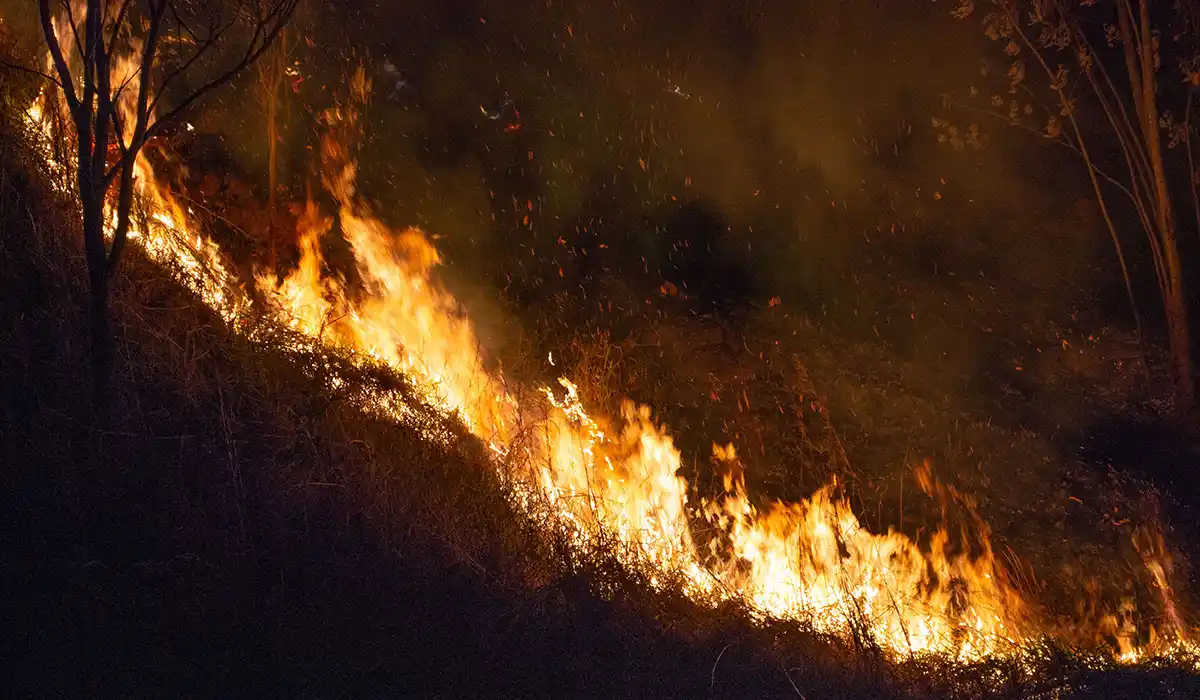
Photo: Daniel Dos Santos Goncalves, Pexels