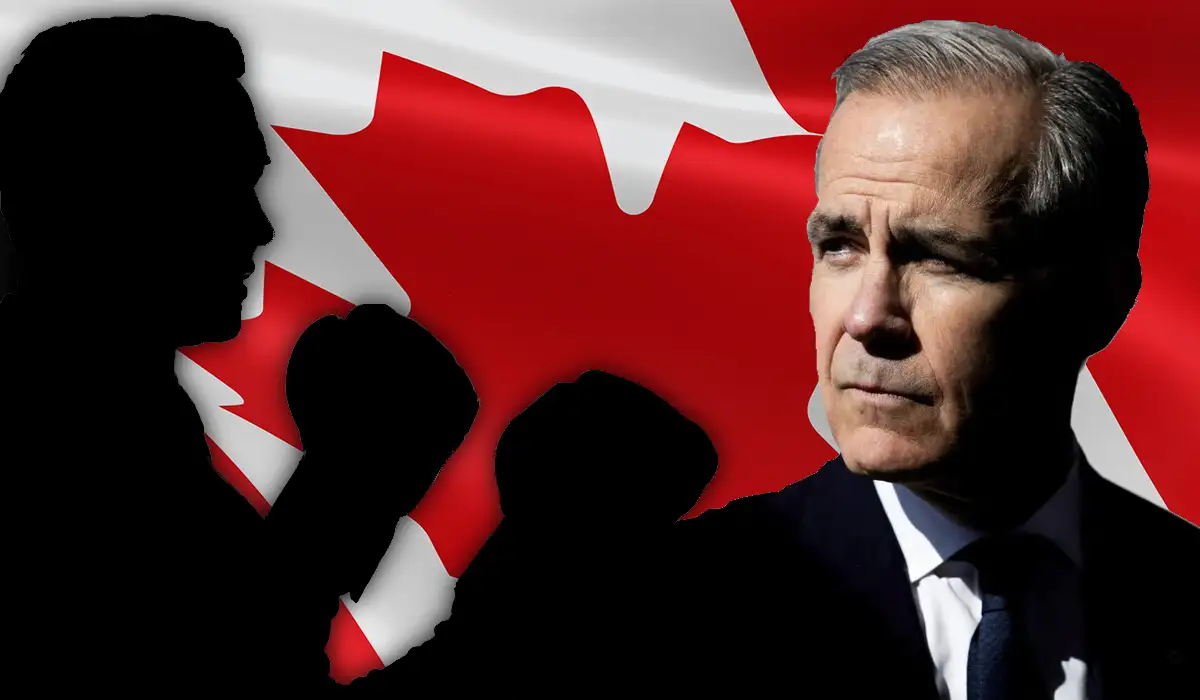
Conservatives Forced to Shadowbox as Carney Lands Real Punches for Canada
Elbows up, eh? Canadians have embraced the phrase. The Conservatives call it all talk, no action—but like most things, the truth is somewhere in between.
I’ve been covering federal politics in Ottawa for almost 30 years. I’ve seen leaders rise, fall, and occasionally reinvent themselves. But I can’t recall a leadership shift as stark—or as necessary—as the one we’re witnessing now.
When Justin Trudeau left, it wasn’t just disappointment in the air—it was exhaustion. Across nearly every demographic, Canadians were fed up. Years of ballooning debt, crushing taxes, a housing market in crisis, a broken immigration system, a weakened military, and a divided country had taken their toll. Abroad, Canada’s credibility had eroded, driven by a government more interested in optics than outcomes—symbolism over substance, and policies crafted to please fashionable ideologies rather than solve hard problems.
The May 2025 election was a national reset. Voters faced two sharply different paths: Pierre Poilievre’s blunt, populist critique of government waste and economic decline versus Mark Carney’s quieter pitch—competence, stability, and a focus on solutions, delivered with a friendly shrug and the occasional dry chuckle. Poilievre was right to point out the wreckage Trudeau left behind. But Canadians chose to hand the keys to Carney. In doing so, they moved past Trudeau and, perhaps without realizing it, left Poilievre campaigning against a ghost.
A Different Playbook
Carney’s first 100 days have shown he is no Trudeau. Faced with Donald Trump’s escalating trade war—including a blanket 35 percent tariff on Canadian goods outside CUSMA—Carney has moved fast. He’s working to diversify trade, modernize the USMCA, and accelerate deals with the EU and UK to reduce Canada’s reliance on the U.S. He’s imposed targeted retaliatory tariffs and reminded Washington of our leverage as a supplier of rare earth critical minerals like lithium and cobalt.
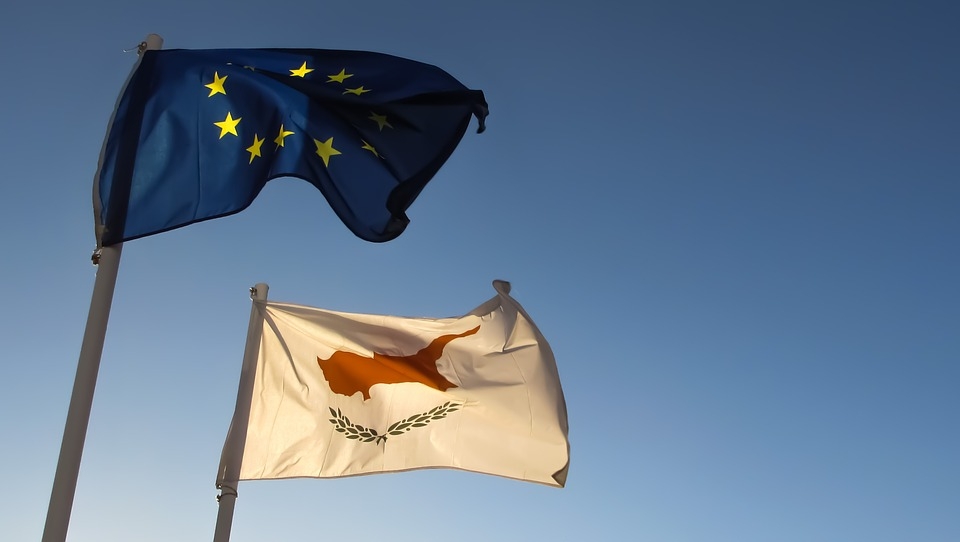
At the EU–Canada summit in Brussels, he made his case: “We are going to build trading relationships with like-minded partners, reliable partners . . . that’s the future of trade, not a narrow discussion on tariffs.” Days later in Ottawa, he and UK Prime Minister Keir Starmer announced the Canada–UK Growth and Innovation Partnership—joint R&D in semiconductors, AI, quantum tech, and critical mineral strategy—alongside Canada’s commitment to ratify the UK’s entry into the Comprehensive and Progressive Agreement for Trans-Pacific Partnership (CPTPP).
Even with China, Carney is taking a pragmatic tack. In a call with Premier Li Qiang, he pushed for the removal of tariffs on Canadian canola, seafood, and other exports while committing to regular communication. Beijing’s response was surprisingly warm, with Li saying China is willing to “put ties on a healthy and stable path.” Carney knows that restoring trade with our second-largest market is part of a long-term strategy, not a short-term gamble.
While Trump bloviates about winning at all costs, Canada under Carney is pursuing a quieter but increasingly respected brand of diplomacy. Around the world—from Brussels to Canberra—leaders see Washington’s “America First” doctrine for what it is: a zero-sum proposition that treats smaller allies as afterthoughts.
Carney’s bet is that Canada’s strength lies in building coalitions, not chest-thumping. As Trump’s winner-take-all bluster fractures alliances, Carney’s quiet, consensus-driven approach is giving Canada more clout abroad—without raising its voice.
Business Confidence—For Now
Business leaders have noticed. Goldy Hyder of the Business Council of Canada praised Carney’s “bold, decisive action” and urged him to keep streamlining project approvals, building trade infrastructure, and investing in science and technology. The Canadian Chamber of Commerce echoed the sentiment. Carney’s business-like style, combined with his ability to connect with working-class Canadians, is winning over skeptics in early polls.
His approach borrows from the playbook of Singapore’s late prime minister, Lee Kuan Yew—discipline over drama, competence over theatrics, and long-term national interest over political trend-chasing. Like Lee, Carney talks about meritocracy, strategic planning, efficient public service, and targeted immigration. The comparison has limits—Canada isn’t Singapore, and Carney isn’t Lee—but the philosophical overlap is hard to miss.
That said, major challenges remain untouched: the immigration mess, $1.2 trillion in national debt, surging food inflation, a national housing crisis, and some of the highest taxes in the G20. The fall parliamentary session will reveal whether Carney intends to tackle these problems head-on or sidestep the most politically dangerous fights.
Liberal Neglect Fueled Antisemitism: Carney Missed a Moment to Take a Stand
Carney’s biggest political blunder since becoming PM may have already occurred. He announced that in September, Canada will side with France and the UK in recognizing a Palestinian state. Washington rightly erupted. American Secretary of State Marco Rubio called it “reckless diplomacy that rewards terrorism and alienates our closest allies.” Arab states like Egypt, Jordan, and the UAE—no friends of Netanyahu—rejected the timing outright, warning it would embolden Hamas while hostages remained in captivity. On paper, middle-ground. In practice: profoundly tone-deaf. Carney made the announcement while Hamas is still holding hostages and continues brag about torturing them through starvation in Gaza’s sweltering, dank tunnels- innocent people underground -—22 months after the October 7 massacre. That day is widely seen as the most savage single-day assault on Jews since the Holocaust, leaving profound and lasting scars on the global Jewish community.
Making matters worse was that inaction by the former Trudeau government had allowed antisemitism to spill openly into streets of major Canadian cities. Under Carney, the continuing failure to confront hateful extremists—particularly within parts of Canada’s Muslim community has emboldened them to the point where they now violently,unapologetically and shamelessly show open hostility toward Jewish Canadians . On June 12 at an Eid al-Adha celebration hosted by the Muslim Association of Canada Carney praised Muslim values as integral to Canadian values. Yet last weekend’s brutal assault on a Jewish man in Montreal—attacked in front of his young daughter by a Muslim extremist—stands in stark contradiction to that vision. Carney’s slow, insensitive response revealed a clear failure to grasp the gravity of the situation and highlighted the Liberal government’s continuing failure to confront the rising tide of bigotry and brutality targeting Jewish Canadians. For a person known for thoughtful leadership, it was a puzzling and costly misstep that seemed out of step with the character of the man.
Lessons from the Past
The Chrétien–Martin government of the 1990s faced similar headwinds as Carney—massive deficits, bloated bureaucracy, and an urgent need to restore confidence. They didn’t dwell on blame. They acted decisively and, in doing so, set Canada on a decade of growth. Carney’s early moves suggest a similar refusal to govern by soundbite. From senior Liberals, policy advisers, and career civil servants, I hear the same thing: he’s laying the groundwork for systemic reform.
That includes:
• Tying public sector performance to measurable outcomes;
• Simplifying corporate taxes to attract capital;
• Reforming immigration to match labour market needs;
• Restoring diplomatic credibility with competence and stability;
• Investing in infrastructure and productivity over gimmicks.
The Conservative Conundrum
Poilievre remains popular with his base—he speaks plainly, calls out waste, and challenges orthodoxy. But winning means convincing the 12–15 percent of swing voters who want change without chaos. Many of them abandoned the Liberals but didn’t trust Poilievre’s combative tone. Carney gave them an alternative: steady, pragmatic, and less polarizing.
Poilievre’s problem now is timing. He kept attacking the carbon tax as his central wedge—only to see Carney scrap it on day one. Now, as premiers of all political stripes and Indigenous leaders rally behind Carney against Trump’s tariffs, the Tories’ constant negativity risks cementing Carney as the calm statesman and Poilievre as the man still fighting yesterday’s fight.
Canada at a Crossroads
Carney isn’t trying to be the loudest voice in the room—just the most capable. In today’s politics, that alone is a statement. His collaborative, coalition-building approach is a deliberate contrast to Trump’s transactional “America First” and Trudeau’s self-absorbed performance politics. It’s grounded in competence, stability, and purpose—values that have been scarce in Ottawa for too long.
Whether it will be enough is an open question. But after a decade of chaos, polarization, and empty theatre, Canadians seem willing to give quieter and competent leadership a chance. In an age of shouting, Carney is betting on something different: that results will speak louder than volume.
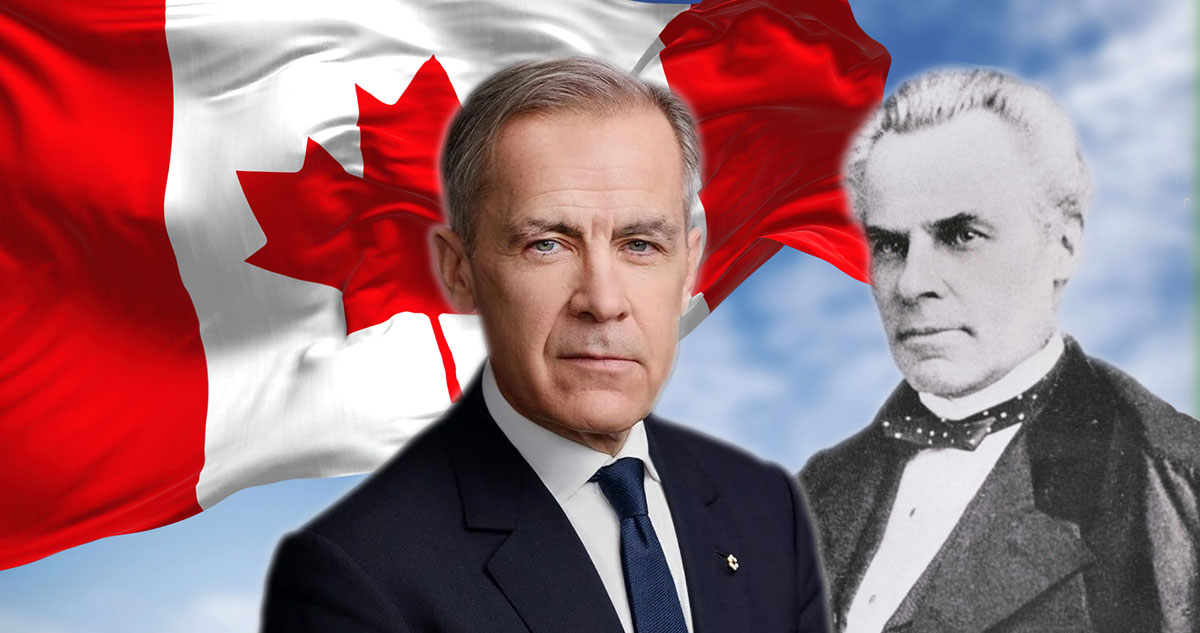
Photo of Mark Carney, courtesy of Reuters; image edited by OLM staff.