Council Kicks Off 2026 Budget Debate
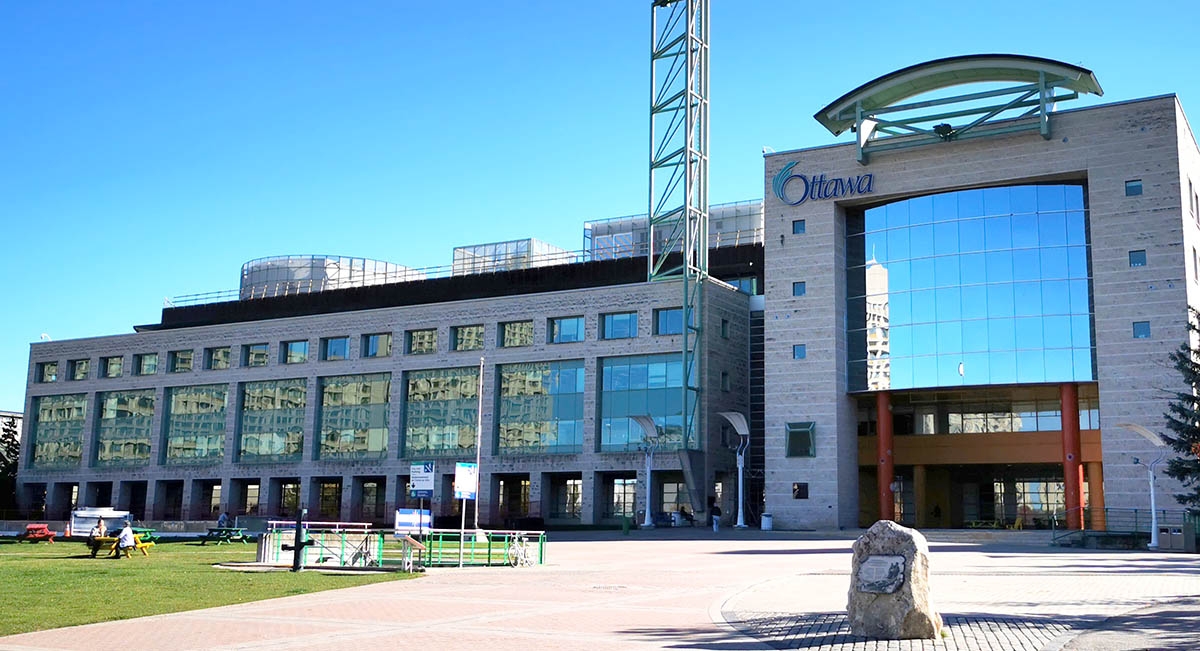
At its September 10 meeting, Ottawa City Council set the stage for the 2026 operating budget by debating the “budget directions” that guide staff as they draft the document. The discussion centred on three key motions: capping next year’s transit fare increase at 2.9 percent (the same as the proposed property tax hike), limiting staff growth, and finding operational savings in non-core areas.
Transit and Affordability
Councillor Laine Johnson delivered one of the most forceful interventions, warning that the city’s strict tax-cap approach is “out of step with reality.” She pointed to underfunded services like libraries, public health, and policing in a growing, complex city, and said continuing to “do more with less” is eroding trust. Johnson called for multi-year budgeting to give residents predictability and allow the city to plan for service growth.
Other councillors focused on transit. Councillor Theresa Kavanagh argued that treating transit as anything less than a top priority risks losing riders for good: “Citizens are giving up and taking to their cars,” she said, warning that higher fares would only add to frustration at a time when confidence in the system is “at an all-time low.” Councillor Jeff Leiper agreed, pledging support for Bradley’s 2.9 percent fare cap motion and cautioning that unchecked fare hikes would undermine both ridership and planning goals. Councillor Riley Brockington struck a more cautious note: while he backed efforts to limit fare increases, he worried about tying staff’s hands too tightly before the draft budget is even on the table.
Staffing and Service Levels
Debate over Councillor David Brown’s motions to cap staff at 17,105 full-time equivalent (FTE) positions and to launch a deeper efficiency review revealed a split. Chief Financial Officer Cyril Rogers and City Manager Wendy Stephanson reminded councillors that most new hires are in frontline roles and that Ottawa’s management ranks are already lean compared to other cities. Councillor Sean Devine illustrated residents’ frustrations with inconsistent service by pointing to sidewalks in his ward: spray-painted for replacement, but instead patched with asphalt. “We need to see how departments are going to deliver the level of service,” he said.
Councillor Ariel Troster worried that a hard staffing cap could undermine big priorities such as housing bylaws, while Councillor Shawn Menard warned it could actually block savings, since bringing services in-house has often proven cheaper than outsourcing. Councillor Jeff Tierney pushed for more transparency on staffing, but cautioned against rigid limits without deeper analysis. Councillor Kitts echoed frustrations from residents paying more for what they see as poor service, calling instead for process improvements and cutting red tape.
Economic Pressures
Several councillors tied their remarks to Ottawa’s broader economic picture. Councillor Marty Carr opposed any budget increase above inflation, citing the loss of 20,000 jobs in the city, rising food insecurity, and the lack of rent control since 2018. Newly elected Councillor Isabelle Skalski, who replaces George Darouze in Osgoode Ward, described the 3.75 percent tax direction as a ceiling, not a target, arguing constant increases are unsustainable for households already facing higher living costs. Councillor Dudas reminded colleagues that residents in her ward say they can accept modest tax hikes only if they clearly see service improvements.
Efficiency and Value for Money
Councillor Lullof said the city must show residents it is serious about eliminating waste, pointing to poorly coordinated road and utility work as an example that undermines trust. He backed the Ottawa Public Library’s funding needs but also Brown’s motions on efficiencies. Councillor Plante pressed staff to better communicate past savings, which Rogers confirmed are already published and will be expanded.
Mayor Sutcliffe’s Closing Remarks
Mayor Mark Sutcliffe closed the debate by stressing that the city is still at the start of the budget process. He said residents want more reliable services but are struggling with affordability and warned against “Toronto-style” double-digit tax hikes. Comparing the city’s challenge to a household budget, he said council must balance investments with restraint. Sutcliffe promised to keep pressing other governments to deliver Ottawa’s fair share of funding, supported Brown’s efficiency motions, and reiterated his opposition to steep transit fare hikes, though he insisted staff need flexibility to bring options back for council to decide.
Councillors approved the motions on finding savings and efficiencies in city operations and the FTE/staffing review motion, but Councillor Bradley’s motion to cap transit fare increases at 2.9 percent was defeated.
Next Steps
The draft 2026 budget will be tabled in November, followed by committee reviews and public delegations. Council is scheduled to debate and adopt the final operating and capital budgets in December.