
• By: Allen Brown

Dr. James Frizzell on Forensic Nurses Fighting Trafficking

Human trafficking remains one of the most pressing and underreported human rights issues in North America, affecting people of all ages and backgrounds. Healthcare professionals, particularly forensic nurses, have become indispensable in identifying and supporting those caught in cycles of exploitation. As Dr. James Frizzell, a forensic educator and member of the International Association of Forensic Nurses, notes, their specialized training and trauma-informed approach make them uniquely qualified to recognize subtle warning signs and provide the care victims need.

Through collaborations with law enforcement, advocacy groups, and local organizations, these nurses work to help survivors receive comprehensive support, from immediate medical attention to long-term recovery resources. Continued community education and partnerships are crucial in the fight to disrupt trafficking networks, empower survivors, and foster environments where exploitation cannot take root. The stories of recovery and resilience that emerge from such efforts show the profound difference that a single well-timed intervention can make.

Human Trafficking and Its Scope

Human trafficking is a hidden crisis affecting millions worldwide, involving the exploitation of individuals through force, fraud, or coercion. Traffickers target vulnerable populations, including minors, immigrants, and those experiencing poverty or unstable living conditions. It is a crime that thrives in silence, often unfolding behind the ordinary facades of everyday life.

According to recent reports, thousands of cases are identified each year, but many more go unreported due to fear and isolation. Trafficking takes many forms, from forced labor to sex trafficking, and it occurs in communities of all sizes, not only large cities. Even small towns and rural areas are not immune, as traffickers exploit whatever opportunities are available. Recognizing the breadth and seriousness of the problem is the first step in addressing it, which is why educators like Dr. Frizzell dedicate so much of their work to awareness.

Forensic Nurses: Key Roles and Specialized Training

Forensic nurses occupy a unique position at the intersection of healthcare and the justice system, often serving as a lifeline for trafficking victims. Their responsibilities extend well beyond routine medical care. They are trained to recognize subtle signs of abuse and exploitation that others might overlook, and by documenting injuries and collecting evidence with precision, they help build strong legal cases against traffickers.

Many forensic nurses undergo specialized education focused on trauma, victim advocacy, and legal processes, preparation that equips them to approach patients with sensitivity and navigate situations where a person’s safety may be at risk. Dr. James Frizzell, who earned a degree in Dental Forensics from McGill University, regularly presents to forensic nurses and healthcare professionals on topics such as recognizing and responding to trafficking victims. In hospital emergency rooms or community clinics, these professionals are often among the first to identify and support individuals trapped in exploitation, and their expertise also prepares them to testify in court, bridging healthcare and legal proceedings.

Recognizing Victims: Signs and Indicators

Spotting the warning signs of trafficking is often challenging, as victims may be fearful, distrustful, or unable to speak freely. Signs can include unexplained injuries, reluctance to share personal information, or the presence of someone who insists on speaking for the patient. Victims may also display anxiety, depression, or hypervigilance, which can further complicate identification.

Consider an illustrative scenario that trainers often describe: a nurse notices repeated visits for similar injuries paired with a pattern of evasive answers, and that quiet observation ultimately opens the door to help. Every interaction with a potential victim requires forensic nurses to balance vigilance with compassion. Their ability to read physical and behavioral cues, honed through training and experience, can make a critical difference in helping someone find a path out of a dangerous situation.

Trauma-Informed Care and Victim Support

Meeting survivors where they are, both physically and emotionally, is a cornerstone of trauma informed care. Forensic nurses understand the importance of creating a safe, respectful environment that allows victims to regain a sense of control and dignity. Supporting survivors means listening without judgment and respecting their choices, even when those choices are difficult to understand from the outside.

Patience is often the most powerful clinical tool in the room. Gentle communication, delivered without pressure, gives survivors the space to share their experiences at their own pace, and that openness is frequently what paves the way for comprehensive care and recovery. Healing rarely follows a straight line, and the professionals who understand this walk alongside survivors rather than ahead of them.

Collaborations and Community Partnerships

No single professional can address the complexities of human trafficking alone. Forensic nurses regularly collaborate with law enforcement, social workers, and local advocacy groups to help victims receive holistic support. Coalitions between hospitals and shelters, for example, can lead to more rapid interventions and longer-term solutions for survivors.

Dr. Frizzell embodies this multidisciplinary spirit. He is the co-founder of Dentists United Against Human Trafficking, an organization that trains dental professionals to recognize and respond to signs of trafficking in their practices, and he serves as a Human Trafficking Consultant for Crime Stoppers Niagara. His ongoing human trafficking education reflects a simple conviction: because healthcare providers are among the few professionals who may encounter victims during treatment, every member of the care team has a role to play. These partnerships extend into outreach and training, strengthening a community’s ability to recognize and respond.

Dr. James Frizzell on Advocacy, Education, and Positive Outcomes

Advocates like Dr. Frizzell raise awareness through training sessions, public speaking, and collaboration with schools and professional organizations. In 2025, he published the book Domestic Violence/Human Trafficking. From a Canadian Perspective, and in early 2026, he co-authored an article on child abuse recognition and reporting in the Oral Health Journal. This kind of advocacy leads to better informed communities and more vigilant healthcare providers, and some practitioners go further, participating in policy development to promote systemic change.

Stories of survival and recovery offer hope and illustrate the impact of dedicated support. When nurses empower victims to reclaim their lives and connect them to crucial resources, lasting change becomes possible. Access to counseling, legal aid, and safe housing are just a few of the pathways that help survivors move forward. With each success, the ripple effect inspires others in the field to continue their work, one patient, one conversation, and one act of recognition at a time.

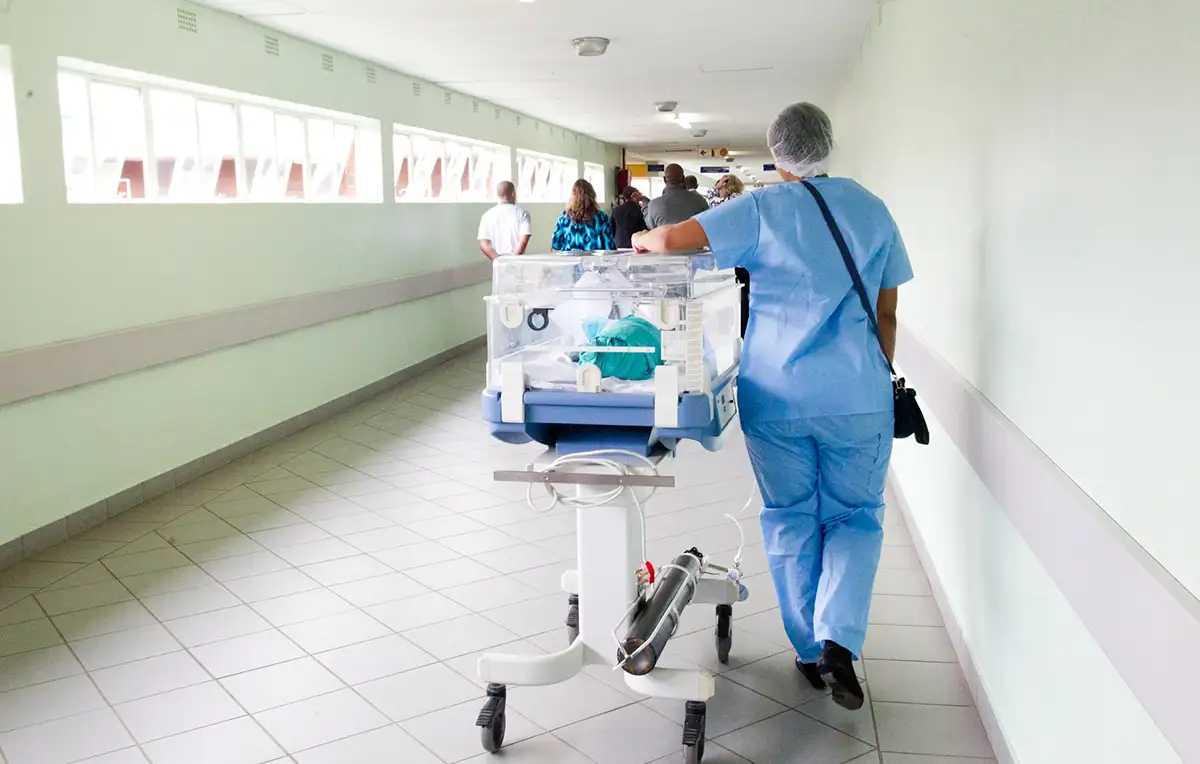
Photo by Hush Naidoo Jade Photography on Unsplash