
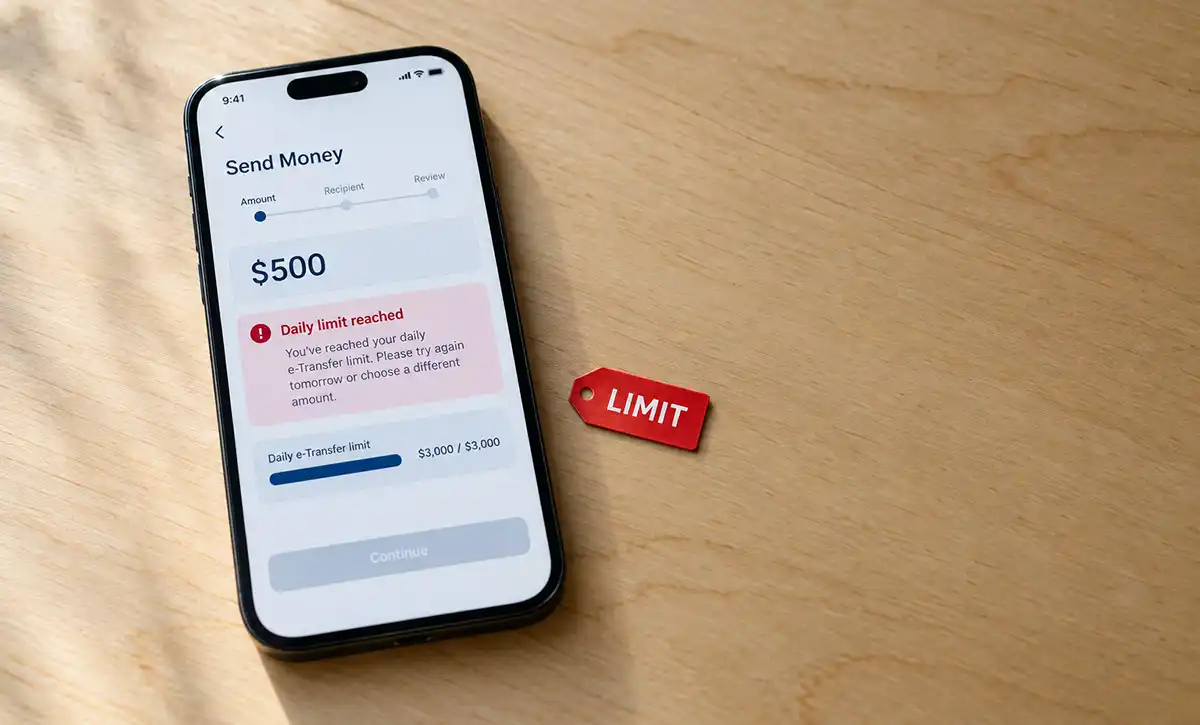
E-Transfer limits in Canada: how much can you send, and how do you raise it?
Understanding e-Transfer limits is essential for Canadians who rely on digital payments for bills, shopping, or online entertainment. Interac e-Transfer is a popular method because it combines speed, convenience, and security for sending money. This article breaks down how limits work, how they impact you, and what steps to take if you want to increase them while staying within your e-Transfer limit.
Whether you are splitting bills with friends, handling your rent online, or depositing money to entertainment and gaming sites, Interac e-Transfer has become a go-to tool for secure and instant payments. Knowing your e transfer limit helps Canadians avoid surprises when making time-sensitive transactions and ensures the convenience of cashless payments remains intact. For those who use e-Transfer for a range of needs, keeping track of daily and per-transaction caps can also help manage both spending and security effectively.
Why has Interac e-Transfer become Canadians’ default way to pay online?
Interac e-Transfer enables Canadians to send funds for everyday expenses such as splitting meals, paying service providers, or sending gifts. On entertainment and gaming sites, casino interac has become a staple cashier option, allowing players to deposit or withdraw funds smoothly without exposing banking details online. The widespread appeal comes from how easily anyone can send money using only an email address or phone number, keeping personal information safe while speeding up transfers within an interac e transfer limit.
As online transactions grow, features like autodeposit streamline the experience and provide even greater convenience. Autodeposit lets recipients receive funds immediately without having to answer security questions, which is especially helpful for those who use e-Transfers frequently for digital payments. This reliability has contributed to Interac’s strong presence in both personal finance and Canada’s entertainment sector, even when an etransfer limit is in place.
What are the daily e-Transfer limits at Canada’s big banks?
E-Transfer limits in Canada are set by each bank or credit union and typically include daily, per-transaction, and sometimes weekly or monthly caps. Most major banks structure these limits based on the account type you hold, your customer profile, and their risk controls, and the daily e transfer limit can differ widely between institutions. For example, a standard checking account might have a lower e-Transfer limit than a premium account.
Your available limit is affected by both completed and pending transfers—pending transactions count against your current maximum until they are processed. It’s vital to know whether your provider resets your limit at midnight or uses a rolling 24-hour window, as this could impact your ability to send multiple payments within a short timeframe under your interac e transfer limit. Checking your current e-Transfer limit is easy through online banking or by contacting your institution directly, especially if you anticipate needing to make a high-value transfer.
Can you raise your e-Transfer limit?
In many cases, Canadian banks are willing to review and, in some instances, increase your e-Transfer sending limit upon request. The process usually involves contacting your branch or customer service, and approval is based on factors like account type, transaction history, and security verification related to your etransfer limit. Banks often look for established customer activity and a clean security record before approving a higher limit.
However, it’s wise to consider your actual banking needs before asking for a higher limit. While increased capacity can support large payments or frequent gaming site deposits, it can also increase exposure if your account is ever compromised, especially if your daily e transfer limit is set high. Evaluate your typical usage patterns and whether your current e-Transfer limit aligns with your needs before deciding to request an increase.
Does sending an e-Transfer cost anything?
The cost of sending e-Transfers depends on your bank and the type of account package you have. Some checking accounts offer unlimited free e-Transfers, while others may charge a small fee per transaction, and charges can feel more noticeable when you bump against an e transfer limit. Receiving e-Transfers is usually free, but confirming this with your bank ensures you’re aware of any hidden charges or exceptions.
If you send e-Transfers often, checking your account’s fee schedule or discussing options with your financial institution can help you find the most cost-effective way to handle your digital payments. Understanding fee structures is especially important if your regular transactions frequently approach or exceed your account’s interac e transfer limit.
Is autodeposit worth turning on?
The autodeposit feature improves the experience for frequent e-Transfer recipients. With Autodeposit enabled, the recipient automatically receives funds into their account without answering security questions, saving time for both parties. This convenience makes Autodeposit especially valuable for small business owners, freelancers, or anyone who needs to process regular online payments efficiently.
However, enabling Autodeposit doesn’t make your account immune to fraud or scams. Always be diligent about confirming the legitimacy of incoming transfers and never provide sensitive banking information over unfamiliar channels, even if autodeposit is activated. When used as part of a cautious approach, the feature adds another layer of ease to your daily transactions.
How can you spot an e-Transfer scam?
Scams involving e-Transfers are increasingly sophisticated. Canadians should watch out for unexpected transfer notifications, urgent messages pressuring immediate action, or requests from unrecognized senders. Links in texts or emails may appear official but could lead to fraudulent sites—always access online banking directly rather than clicking suspicious links, and be wary of messages that claim you must act because of an etransfer limit.
If you receive a message or e-Transfer that seems off, verify it by contacting your bank directly through trusted channels. Banks will never ask you to confirm account details or passwords by email or SMS. Staying vigilant and cautious is the best defense against phishing and other digital scams.
Can your bank limits help you keep spending in check?
Bank-imposed e-Transfer limits serve as a form of control on your digital spending. These caps can help you think twice before making large or impulsive payments, particularly when it comes to activities like online shopping, entertainment, or gaming, and they can reinforce a personal e transfer limit you set for yourself. While not a replacement for personal budgeting, they add a tangible boundary that makes overspending less likely in high-temptation settings.
In some cases, users choose to leave lower default limits in place on purpose for additional peace of mind, especially if using e-Transfer for frequent leisure activities. Understanding and leveraging these built-in controls can give you better mastery over your financial habits in digital environments.
What should Ottawa readers remember?
For Ottawa residents and all Canadians, knowing your e-Transfer and Interac limits, potential fees, and security features is key to smoother digital payment experiences. Stay updated on your daily and per-transaction caps so your daily e transfer limit doesn’t catch you off guard, and take advantage of security features like Autodeposit where available. With e-Transfer’s growing role in both everyday transactions and online entertainment, proactive management helps you use this tool safely and efficiently every time you send or receive money.