Innovative monitoring technologies are transforming road safety by providing real-time data and insights. These advancements are important for reducing accidents and improving driver behavior. As the technology evolves, it becomes a key player in creating safer driving environments.
Road safety is a top priority in modern transportation systems, necessitating the development of advanced solutions to protect drivers and passengers. The integration of technology into road safety strategies is a significant move. Through advancements such as vehicle tracking, authorities can monitor traffic conditions and driver behaviors in real time. This helps in preventing accidents and streamlines the response during emergencies, ensuring quick and effective interventions. The ongoing evolution of these technologies signals a promising future for safer roads worldwide.
Technological innovations in vehicle monitoring
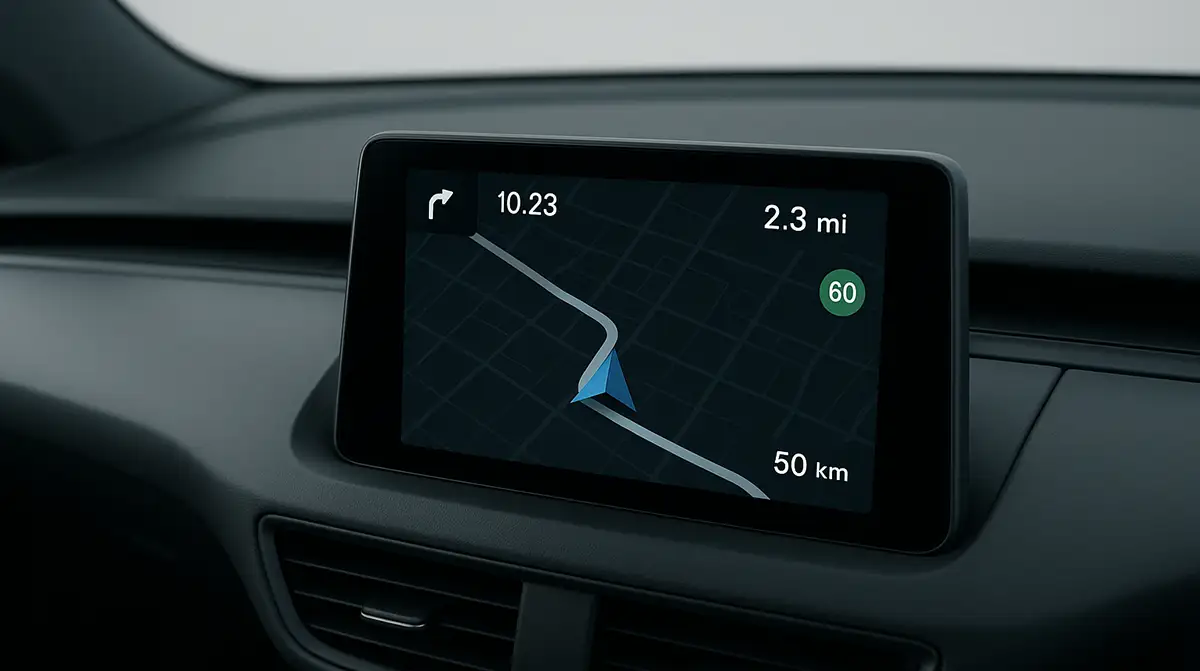
Advanced monitoring technologies in vehicles have changed the way we approach road safety. These systems, equipped with sensors and real-time data analysis capabilities, provide insights into various driving patterns and environmental conditions. This detailed information helps in predicting potential hazards and allows for timely interventions to prevent accidents. By continuously collecting and analyzing data, these technologies offer a comprehensive view of traffic dynamics.
The application of these innovations extends beyond simple surveillance; they actively contribute to creating safer driving environments. Systems that alert drivers about lane departures or potential collisions enable proactive measures to avoid incidents. Additionally, automated emergency braking systems respond faster than human reflexes, reducing the severity of unavoidable crashes. Such features exemplify how technological advancements are reshaping road safety protocols.
Benefits of monitoring technologies on road safety
Monitoring technologies have a profound impact on improving driver behavior and vehicle performance. By offering feedback on driving habits, these systems encourage safer driving practices. Drivers receive alerts when they exceed speed limits or exhibit erratic behaviors, prompting immediate corrections. This feedback loop enhances individual accountability and fosters a culture of safety among road users.
Moreover, these technologies significantly improve accident prevention and response times. With real-time data transmission, authorities can quickly identify incidents and deploy emergency services more efficiently. The precise location tracking helps in coordinating rescue operations effectively, minimizing delays that could otherwise escalate the situation. Consequently, monitoring technologies play an important role in reducing the aftermath of accidents on our roads.
General examples of successful implementations
Various sectors have successfully implemented these technologies, demonstrating their effectiveness in enhancing road safety. Logistics companies use them to monitor fleet operations, ensuring that drivers adhere to safety protocols while optimizing delivery routes. Such applications enhance operational efficiency and contribute to the overall reduction in road mishaps.
Reports from these industries highlight improvements in safety and operational productivity. There are reductions in accident rates and improved compliance with traffic regulations due to these monitoring systems. This underscores the transformative impact of innovative monitoring technologies on everyday transportation challenges.