
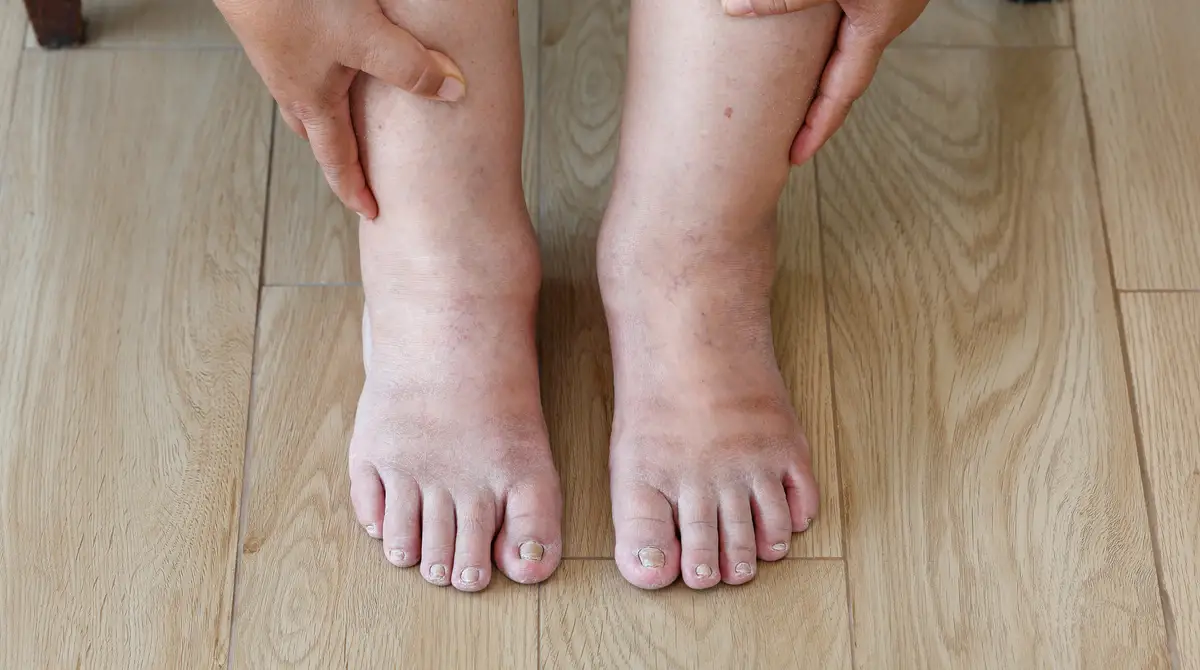
How Diabetics Can Prevent Foot Swelling: Causes, Care & Proper Footwear
For numerous individuals managing diabetes, swollen feet represent more than just a slight annoyance—they may indicate more serious circulation problems and possible nerve damage. In Canada, diabetes impacts over 3.6 million adults, yet foot care frequently remains neglected until pain, discomfort, or noticeable swelling can no longer be dismissed. Indeed, swelling can frequently be addressed, and even avoided—with regular attention, a balanced lifestyle, and appropriate footwear choices.
This guide delves into the reasons behind diabetic foot swelling, offers tips for proper foot care, and emphasizes the importance of selecting appropriate footwear, such as wide diabetic shoes from reputable brands like FitVille, to enhance comfort and promote long-term well-being.
Understanding Why Foot Swelling Happens in Diabetics
Foot swelling, also known as edema, frequently occurs in individuals with diabetes due to the impact of the condition on circulation and nerve function. Prolonged elevated blood sugar levels can lead to detrimental effects on blood vessels and nerves in the lower limbs. The outcome is inadequate blood circulation, accumulation of fluid, and at times, discomforting inflammation.
Initially, you may notice some mild swelling, maybe your socks leave more pronounced impressions, or your shoes seem a bit snugger by evening. However, persistent swelling may signal deteriorating circulation, increased strain on the kidneys, or peripheral neuropathy, a nerve-related issue that results in a loss of sensation in the feet.
When the nerves become less responsive, small injuries often slip under the radar. A blister, cut, or sore can become infected even before it is noticed. The interplay of diminished blood flow and sluggish recovery is a key factor in why foot issues can rapidly worsen for those with diabetes.
Common Triggers Behind Diabetic Foot Swelling
Swelling can occur due to various factors. Unmanaged blood sugar levels frequently serve as the primary catalyst, though various lifestyle and medical elements can exacerbate the situation.
Prolonged standing or sitting can hinder blood circulation, leading to fluid accumulation in the feet and ankles. The consumption of excess sodium, often found in processed or restaurant meals, leads to increased water retention. Insufficient physical activity can lead to inadequate blood circulation, particularly in colder regions such as Canada, where individuals often remain indoors throughout the winter season.
Some medications for diabetes management, including insulin and blood pressure medications, may occasionally lead to fluid retention. Conditions such as cardiovascular issues, kidney disease, or obesity can significantly worsen swelling.
Even footwear that is overly snug or devoid of adequate cushioning can exert extra pressure on already sensitive feet, exacerbating discomfort and leading to fluid accumulation.
The Role of Blood Circulation and Nerve Health
Swelling in the diabetic foot seldom stands alone; it typically signifies a more extensive concern related to circulation and nerve health. Elevated glucose levels lead to the thickening of blood vessel walls, which in turn hampers the delivery of oxygen and nutrients to tissues. This hinders recovery and promotes the accumulation of fluid.
At the same time, nerve damage, or neuropathy, can lead to a diminished ability to sense pain, temperature fluctuations, or minor injuries. The interplay of these factors renders the feet susceptible to persistent swelling, ulcers, and infections.
Enhancing circulation with gentle exercise, consistent walking, elevating the legs, and wearing supportive footwear can significantly help in avoiding complications.
How Daily Habits Affect Diabetic Foot Health
Daily habits, even the smallest ones, can significantly impact foot swelling, either exacerbating or alleviating the condition. Extended durations of being stationary, such as working at a desk, spending hours behind the wheel, or engrossed in a television show, can impede circulation. Consistent leg movement, along with stretching and taking a stroll every hour, effectively aids in preventing fluid buildup.
Staying hydrated is just as crucial. It’s a common misconception that swelling is solely due to excess water intake; in reality, dehydration prompts the body to hold onto fluids. Ensuring adequate hydration is essential for managing fluid balance and supporting kidney health.
Maintaining proper foot hygiene is essential. Daily foot care, including cleaning and drying, checking for any cuts, cracks, or blisters, and applying moisturizer to dry skin, is essential for preventing infections and enhancing overall comfort.
The Importance of Proper Footwear in Managing Swelling
In the realm of diabetes management, footwear transcends mere fashion; they serve as vital instruments for health preservation. Poorly fitting shoes can impede blood flow, generate friction, and exacerbate swelling. Selecting shoes tailored for diabetic requirements minimizes pressure, promotes correct alignment, and helps avert blisters or sores.
Brands like FitVille specialize in diabetic footwear that balances comfort, width, and functionality. Their designs emphasize pressure distribution, shock absorption, and ample toe room—essential elements that work to reduce swelling and enhance comfort.
If you’re dealing with edema, opting for wide diabetic shoes for swollen feet can offer essential support while alleviating discomfort and minimizing friction. These shoes feature enhanced depth, breathable fabrics, and flexible uppers that accommodate swelling as the day progresses.
What Makes Diabetic Shoes Different
Diabetic footwear is designed to accommodate swelling and safeguard sensitive skin, setting it apart from regular shoes. These designs frequently feature smooth interiors to minimize discomfort, spacious toe boxes for unrestricted movement, and padded insoles that support proper posture and stability.
The soles typically offer non-slip properties, providing essential stability on various surfaces—an important aspect for seniors and individuals facing balance challenges. Certain diabetic shoes, like those from FitVille, feature ergonomic outsoles designed to enhance movement and minimize fatigue during extended periods of walking or standing.
Wearing the right shoes promotes improved circulation, reduces friction, and aids in preventing ulcers and sores that might otherwise result in serious infections.
The Connection Between Weight, Diet, and Foot Swelling
Excess body weight adds additional strain on the feet, exacerbating swelling issues. A well-rounded diet plays a crucial role in managing blood sugar levels, minimizing inflammation, and promoting healthy blood vessels.
Incorporating potassium-rich foods such as bananas, avocados, and spinach into your diet can effectively help balance sodium levels in the body, leading to a reduction in water retention. Omega-3 fatty acids, whether sourced from fish or supplements, have the potential to enhance circulation and reduce inflammation.
Reducing processed foods and keeping an eye on salt consumption can significantly impact swelling, especially for diabetics who often deal with fluid retention.
Foot Care Routine for Diabetics
Effectively addressing diabetic swelling necessitates a reliable daily care regimen. Begin by gently cleansing your feet with lukewarm water and a mild soap, ensuring to dry them thoroughly—particularly between the toes—to avoid any fungal issues.
Applying moisturizer daily is essential for maintaining skin elasticity, but it’s wise to skip the lotion between the toes to minimize the chance of infections. Take care to trim your nails with precision or consider regular visits to a podiatrist to avoid ingrown nails or overlooked cuts.
It’s wise to check your feet before settling in for the night. Even minor bruises or blisters can escalate into serious issues if not properly addressed. When paired with the right footwear, these minor preventive measures significantly lower the chances of chronic swelling and its associated complications.
When to Seek Medical Attention
If swelling persists despite rest, elevation, or light activity, it’s advisable to consult a physician. Unexpected swelling, accompanied by pain, redness, or warmth, could signal an infection or blood clot, necessitating prompt medical evaluation.
Should swelling accompany sensations of numbness, tingling, or non-healing wounds, it may indicate advanced neuropathy or inadequate circulation, conditions that require expert attention.
Consistent foot examinations with a podiatrist or endocrinologist are essential for identifying and addressing problems early, preventing them from developing into more significant complications.
Why FitVille Shoes Are Trusted by Diabetics
FitVille has gained recognition within diabetic circles for its innovative design and exceptional comfort that meets medical standards. Their wide diabetic shoes for swollen feet are thoughtfully designed with ample space, breathable materials, and shock-absorbing midsoles to ensure comfort while accommodating fluid retention.
Every pair is designed to alleviate pressure points while ensuring optimal arch support. The shoes are perfect for extended strolls, indoor activities, or daily use, allowing you to remain active without worsening any swelling. FitVille’s footwear provides essential support for your feet while seamlessly aligning with a vibrant, health-conscious lifestyle for those managing diabetes.
For residents in chillier locales such as Ottawa or Toronto, selecting breathable yet insulated choices aids in temperature regulation while enhancing circulation. FitVille shoes stand out as a superb option throughout the year for individuals with diabetes who are in search of dependable support and enduring comfort.
Preventive Lifestyle Tips to Manage Swelling
Addressing foot swelling begins with thoughtful lifestyle decisions. Consistent walking enhances circulation, fortifies the muscles in your legs, and minimizes fluid retention. Raising your feet for 15–20 minutes multiple times throughout the day can effectively assist in draining excess fluids.
Steer clear of snug socks or garments that hinder blood flow. Opt for compression socks solely upon the recommendation of a healthcare professional, since incorrect usage may exacerbate swelling.
Ceasing smoking and reducing alcohol consumption significantly enhance circulation and nerve health, both crucial elements in managing diabetic swelling. Integrating these steps with the right footwear guarantees lasting progress as time goes on.
The Psychological Aspect of Diabetic Foot Health
Dealing with a chronic condition can be quite taxing on one’s emotional well-being. Discomfort in the feet can hinder movement, impacting one’s confidence and ability to engage socially. Nevertheless, taking charge of one’s well-being through self-care practices, consistent health evaluations, and supportive footwear can enhance both autonomy and overall life satisfaction.
Companies such as FitVille recognize that quality footwear transcends mere comfort; it enables individuals to remain active, engaged, and mentally healthy. A minor adjustment, like discovering shoes that fit perfectly without any discomfort, can greatly enhance motivation and everyday ease.
The Long-Term Benefits of Proper Footwear and Care
Avoiding swelling goes beyond mere discomfort; it’s a crucial step in safeguarding your overall well-being for the future. Persistent swelling can ultimately cause tissue damage and infections that, if left unaddressed, may lead to serious complications.
By choosing the appropriate footwear, practicing good hygiene, and embracing a balanced lifestyle, individuals with diabetes can sustain their mobility, avert additional complications, and experience enhanced comfort in their daily routines. FitVille’s collection of diabetic footwear seamlessly combines medical necessity with everyday style, proving that practicality can coexist with aesthetic appeal.
FAQs
1. Why do my feet swell more in the evening?
As the day progresses, swelling often becomes more pronounced due to gravity drawing fluids into the lower legs and feet, particularly when one remains seated or standing for extended periods without any movement.
2. Can diabetic shoes really reduce swelling?
Yes, diabetic shoes are crafted to alleviate pressure points, enhance circulation, and minimize friction. They can greatly assist in managing swelling when combined with effective blood sugar regulation.
3. Should I wear diabetic shoes indoors as well?
It’s advisable, particularly if you often encounter swelling or neuropathy. Using them indoors safeguards your feet from hidden injuries while offering ongoing support.
4. How often should I replace my diabetic shoes?
Generally, every 6 to 12 months, based on how frequently it’s used. Worn-out soles or insoles can disrupt balance and lead to swelling from uneven weight distribution.
5. Are FitVille shoes covered by insurance or healthcare plans in Canada?
In numerous instances, indeed. Certain healthcare plans provide coverage for diabetic footwear that has been prescribed by a physician or podiatrist. It’s advisable to consult your insurance provider regarding your eligibility.
Conclusion
Swelling in diabetic feet isn’t a foregone conclusion; it can be effectively managed through awareness, preventive measures, and the right choice of footwear. Focusing on daily care, maintaining an active lifestyle, and choosing supportive footwear such as FitVille’s wide diabetic shoes for swollen feet guarantees comfort and lasting protection.
Well-cared-for feet provide the liberty to explore, journey, and enjoy life without the nagging concern of discomfort. Regardless of whether you’re in Ottawa or another locale, tending to your feet today will safeguard your mobility for the years ahead.
Photo: iStock