How Online Casino Slots Have Adapted to Changing User Expectations

Online casino slots used to be simple: spin the reels, wait, repeat. Modern players now expect the same speed, interaction, and convenience they get from streaming platforms, mobile games, and social media, pushing online casinos to evolve rapidly.

Today’s slot games are faster, more interactive, more personalized, and far more immersive than their early online counterparts. The changes go well beyond flashy graphics and bonus mechanics. They reflect a complete shift in how players want to spend their time online.

Why Traditional Slot Design No Longer Holds Attention

Modern slot players have endless entertainment options. Slow, repetitive games cannot compete with TikTok, Netflix, Twitch, or mobile gaming apps.

Slots Are Competing With Every Form of Entertainment

Online slots now compete with streaming platforms, scrolling feeds, and fast-paced games that constantly reward interaction, forcing developers to rethink gameplay pace and player engagement. In an era of instant feedback, long waits between bonus rounds feel outdated.

Modern Players Expect More Interaction

Players raised on interactive entertainment expect more than traditional “spin and watch” gameplay. Modern slots now use mini-games, player choices, progression systems, and interactive bonus rounds to create a far more active experience.

Familiar Formulas Started Feeling Repetitive

Players became increasingly aware that many older slots reused the same mechanics with different artwork pasted on top. That “reskin fatigue” encouraged studios to experiment with formats like Megaways, Cluster Pays, and cascading reels to keep gameplay feeling fresh.

The Rise of Mobile-First Gameplay

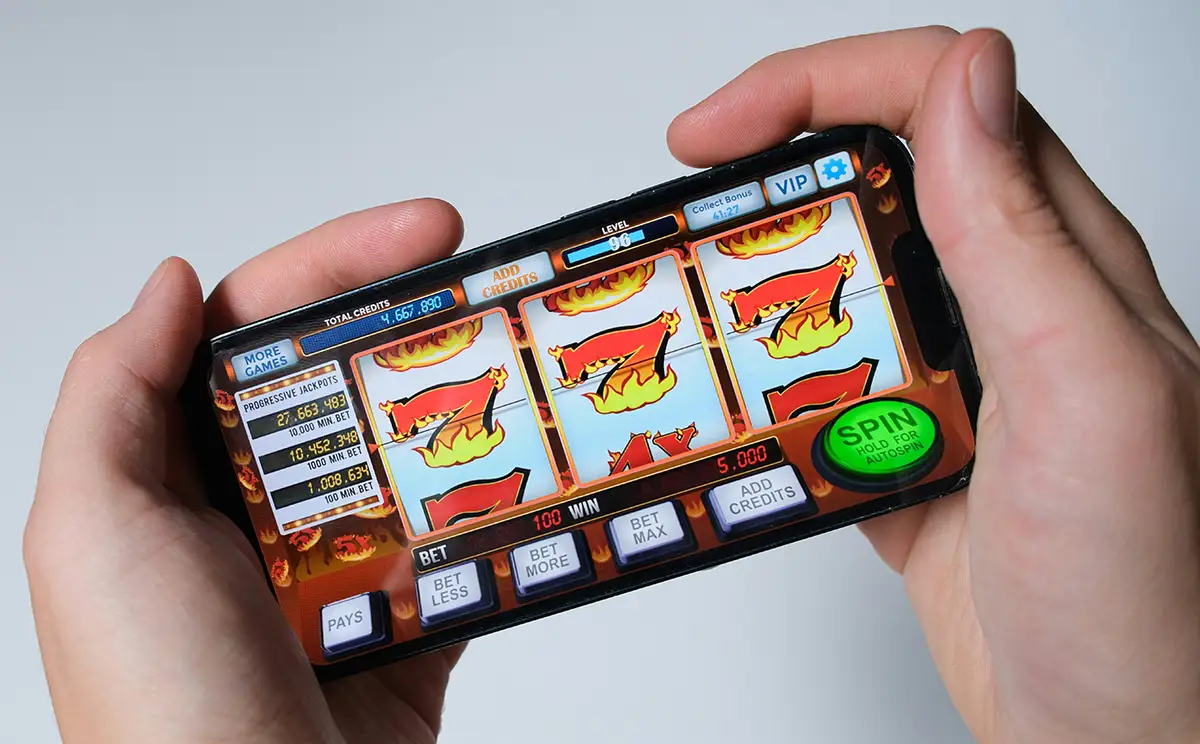
Changing mobile habits pushed online slots beyond their desktop origins. Players now expect seamless gameplay during quick sessions throughout the day, leading developers to prioritize speed, convenience, and flexibility.

Portrait-mode gameplay, thumb-friendly controls, and simplified interfaces became standard as mobile screens replaced desktop play for many users. Higher performance expectations also pushed platforms toward smoother, mobile-optimized gameplay.

Several features now reflect those shifting expectations:

• Fast-loading mobile optimization,
• Auto-save recovery during interruptions,
• Cross-device synchronization,
• Smooth gameplay during unstable connections.

Modern players also expect uninterrupted continuity between devices. A session started on a desktop may continue later on a phone or tablet, making seamless transitions part of the overall user experience across multiple platforms rather than a bonus feature.

A More Tailored Experience

As digital entertainment became more personalized, online slots adapted by creating experiences built around player preferences and behavior.

Recommendation Systems Changed Discovery

Players no longer want to scroll through generic game libraries, leading online casinos to introduce recommendation systems built around preferred themes, volatility levels, and playing habits for faster game discovery experiences. Many platforms now organize games around individual play styles and themes, making collections such as FanDuel Casino Slots easier to browse without endless categories.

Platforms Are Prioritizing Player Preferences

Customization also expanded beyond game discovery, with players increasingly expecting rewards and promotions tailored to their playing habits. Achievement systems and personalized bonuses reflect growing demand for more individualized slot experiences.

Transparency and Safety Matter More Than Before

Trust and transparency evolved alongside personalization, with modern players now expecting clearer information and responsible gaming tools. RTP percentages, volatility indicators, session reminders, and deposit limits reflect that shift toward more player-focused slots.

More Than Just Spinning Reels

Modern slot games increasingly borrow ideas from video games and interactive media. Simple reel-spinning mechanics still exist, but many newer titles now focus more heavily on progression, participation, and fast-paced engagement.

Gamification plays a major role in that shift. XP systems, unlockable rewards, seasonal challenges, and achievement badges encourage players to keep returning between longer gaming sessions even after the novelty of the visuals fades.

Interactive bonus rounds pushed that evolution even further. Puzzle mechanics, player-driven choices, turbo modes, avalanche reels, and instant-result features now create experiences that feel closer to arcade gaming and mobile entertainment than traditional slots.

The Era of Cinematic Slots

Visual presentation became just as important as gameplay mechanics. Modern slot games often resemble interactive entertainment products more than traditional casino machines, reflecting growing demand for more immersive digital experiences.

Movie franchises, musicians, and pop culture collaborations now appear regularly across major slot releases. Narrative-driven progression systems also encourage players to unlock environments, characters, and story elements through continued gameplay.

Technology pushed those experiences even further. WebGL rendering, cinematic sound design, and 3D animation transformed online slots into more immersive experiences, while seasonal events and regular content updates replaced static gameplay loops.

Playing Together, Not Alone

Online slots were once almost entirely solitary experiences. That changed as social mechanics became a major focus for developers.

Multiplayer Features Added Shared Energy

Shared jackpot systems, synchronized bonus rounds, and multiplayer slot rooms create a stronger sense of community. Players can now celebrate wins together rather than spinning in isolation. That social element helps gameplay feel more interactive and engaging.

Streaming Culture Influenced Game Design

Twitch and streaming culture also influenced slot development. Many modern games include replay systems, chat features, and streamer-friendly interfaces designed to make gameplay more entertaining to watch as well as play for online viewing audiences.

Competition Keeps Players Coming Back

Leaderboards, timed tournaments, and community events add another layer of engagement. Discussions around broader AI trends shaping casino gaming increasingly focus on how personalization could make these social experiences even more dynamic in the future.

Faster, Smarter Technology Behind the Scenes

Much of the industry’s biggest evolution happened quietly in the background. HTML5 technology replaced Flash, allowing smoother gameplay across browsers and devices with faster overall performance without downloads or compatibility issues.

Cloud infrastructure reduced lag, stabilized multiplayer systems, and accelerated wallet synchronization. Biometric authentication and encrypted payment systems also simplified account access for mobile-first players while improving security.

Most players rarely think about those systems directly. Expectations changed nonetheless. Modern users want frictionless entertainment that works instantly every time they log in. Even small delays or technical issues can quickly disrupt the overall experience.

The Future Is More Interactive

Online slots continue evolving alongside digital entertainment habits. Future innovation will likely focus on deeper personalization, hybrid gaming mechanics, expanded social systems, and more adaptive AI-driven experiences.

The basic concept of spinning reels still exists at the center of the genre. Everything surrounding that experience, however, looks dramatically different than it did even a decade ago. Modern players expect speed, immersion, interaction, and flexibility, and the industry shows no signs of slowing down in its effort to deliver all four across digital entertainment platforms.

Photo: Niek Doup, Unsplash