How QR Codes Are Redefining the Way Canadians Connect Offline and Online
If you live in Canada, chances are you’ve scanned a QR code at least once this week maybe at a coffee shop, maybe on a poster for a local event. They’re everywhere now. Funny thing is, a few years ago, most of us barely noticed them.
Back then, QR codes felt like another tech fad that came and went. And yet here we are, scanning them to check menus, shop online, leave reviews, and even learn about community projects.
What changed? Well, pretty much everything about how we communicate.
QR codes have quietly become part of daily life. And thanks to smarter, dynamic versions which you can easily make with a platform like Trueqrcode they’re no longer just static links. They can update, track engagement, and even personalize content after you’ve printed them. It’s wild when you think about it.
From pandemic fix to marketing tool
To be honest, it all started during the pandemic. No one wanted to touch menus or share printed material, so businesses scrambled for contactless options. The QR code came back from the dead.
But here’s the interesting part: when restrictions eased, the codes didn’t disappear this time. Businesses realized these tiny squares could do a lot more than replace paper.
Restaurants started using them for loyalty programs. Retailers put them on packaging to tell product stories. Artists linked them to videos. Cities used them for tourism guides.
A report by Retail Insider Canada found that over half of small retailers have adopted QR-based tools in some form from marketing campaigns to customer service. That’s not just convenience; that’s transformation.
The new way to connect
What makes this shift so powerful is how natural it feels now. People don’t stop to think about what a QR code is anymore they just scan.
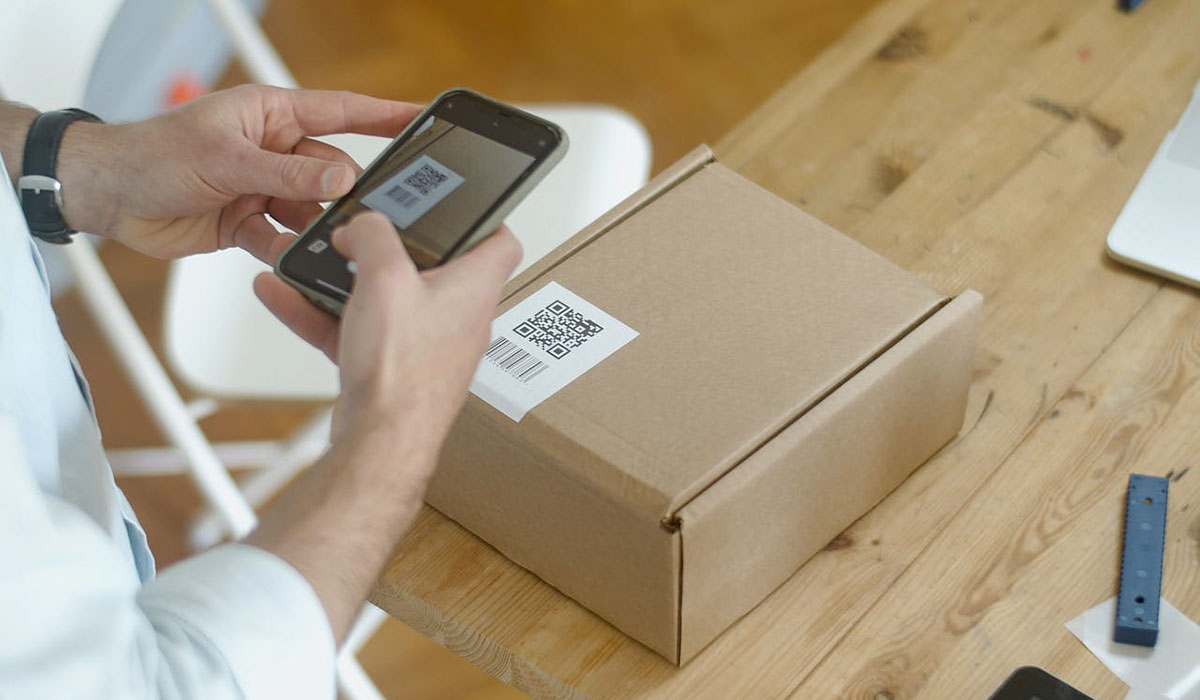
That single gesture bridges the offline and online world. A printed poster suddenly becomes clickable. A coffee cup tells a brand story. A concert flyer can lead you straight to a Spotify playlist.
And because tools like Trueqrcode’s Dynamic QR Code Generator let you update the destination anytime, you can reuse the same printed code over and over. One sticker can live for years, constantly evolving with your message.
It’s simple tech, but it changes how we communicate.
It’s not just for big brands
One of my favorite things about this trend is how accessible it is. You don’t need to be Shopify or Air Canada to use QR codes well.
A yoga instructor in Halifax can use one to link her flyers to a class schedule. A bakery in Calgary can connect customers to an online ordering page. A local museum in Ottawa can guide visitors to videos or multilingual captions.
It’s quick, affordable, and easy to maintain especially if you can track scans and tweak links as you go.
In other words, QR codes level the playing field for small businesses.
A little sustainability bonus
There’s also a subtle but important bonus here: less paper waste.
Canadian companies are cutting back on printed menus, brochures, and catalogs. Instead, they use one QR code that leads to a digital version. It’s cheaper, cleaner, and honestly, customers prefer it.
A Forbes article recently highlighted how digital-first approaches like this help brands reduce waste while improving accessibility. In Canada, where sustainability is often top of mind, that matters more than ever.
Everyday examples you’ve probably seen
Once you start noticing, you’ll see QR codes everywhere:
• A brewery in Alberta linking their cans to a “meet the maker” page.
• A wedding invite in Vancouver with a QR to the couple’s photo album.
• A farmers’ market in Montreal offering recipes via QR.
• Even a dog park sign in Ottawa linking to community volunteer info.
Each one turns a moment of curiosity into action no app, no typing, no friction.
Why this matters
It’s easy to dismiss QR codes as small tech, but their impact adds up. They make communication faster, more inclusive, and in their own quiet way smarter.
We’re living in what marketers call the “phygital era” where physical and digital experiences merge. And Canada, with its mix of innovation and community-driven culture, is the perfect testing ground.
QR codes give small businesses and creators a way to join that movement without complicated tech or big budgets. It’s just a scan, but it represents connection, transparency, and a more interactive world.
Looking ahead
As someone who writes about digital tools, I’ve learned that innovation doesn’t always look flashy. Sometimes, it’s a square printed on cardboard that changes how people engage with information.
That’s what QR codes have done.
They turned static spaces into living experiences and they’re not going anywhere. Whether it’s a retailer tracking engagement, a teacher sharing materials, or a city improving access to info, this technology keeps finding new life.
And platforms like Trueqrcode make it incredibly easy to create and manage them without any coding, design tools, or IT headaches.
So next time you scan one, think about what’s happening behind that tiny square. It’s not just a link it’s part of a much bigger shift in how Canadians connect.
Photo: Pexels