
Is AR the next big thing for online casinos like Fambet?
Augmented reality technology has captured imaginations across industries, promising to revolutionize how we interact with digital content. The online entertainment sector, including platforms like Fambet, sits at an interesting crossroads with AR development. While the technology offers remarkable possibilities for enhancing user experiences, the industry appears surprisingly cautious about embracing its full potential. The gap between what AR could offer and what’s being implemented reveals both technical challenges and strategic hesitation within the sector. In this article, we’ll take a closer look at the technology itself and how the online casino industry is working on it.
Technology readiness versus industry adoption
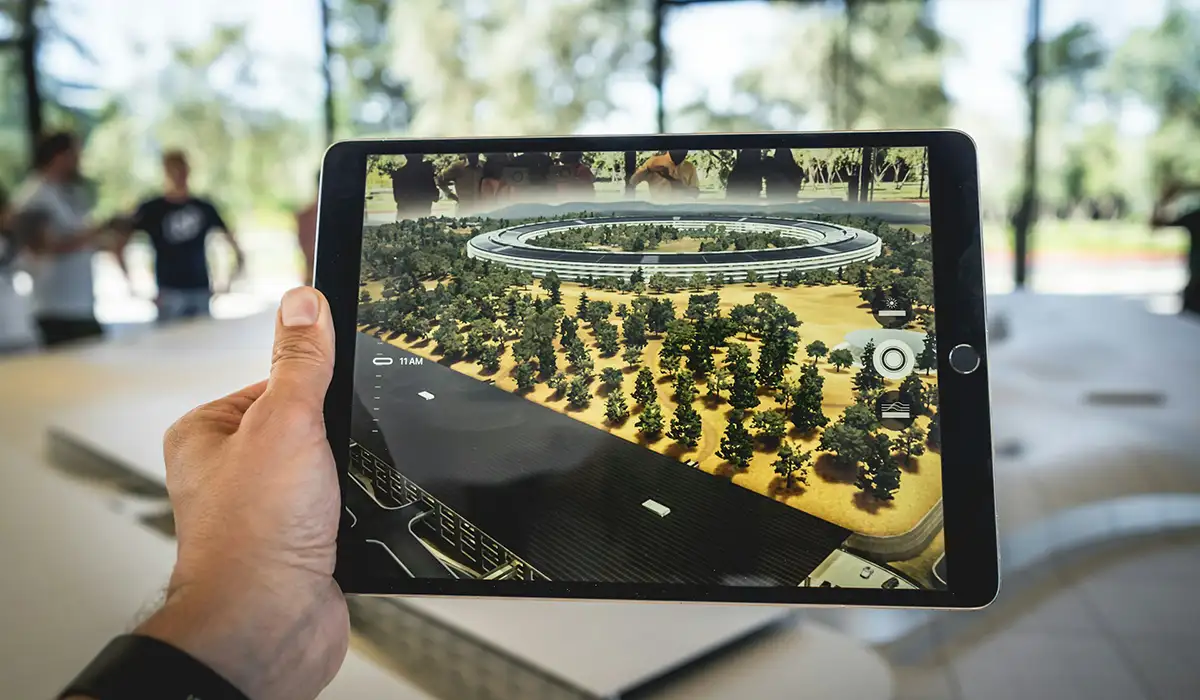
AR hardware has reached a level of sophistication that seemed impossible just a decade ago. Smartphones now routinely support advanced AR applications, and dedicated AR devices continue improving in both capability and affordability. The technical foundation exists for creating immersive experiences that blend digital elements with real-world environments.
Yet online entertainment platforms remain hesitant to fully commit to AR development. Fambet and similar operators have largely focused on incremental improvements to existing formats rather than embracing transformative AR applications. The reluctance stems partly from uncertainty about user adoption rates and the substantial development costs involved.
Mobile AR integration presents the most accessible entry point for most platforms. Modern smartphones can overlay digital information onto camera feeds without requiring additional hardware purchases from users. However, few entertainment platforms have moved beyond basic AR filters and simple overlay features, meaning that the potential is wasted for a lot.
Development costs create barriers
Creating quality AR experiences requires specialized expertise that many entertainment companies lack internally. The skill set needed for AR development differs significantly from traditional web or mobile app development. Teams must understand 3D graphics, computer vision, and spatial computing concepts that weren’t previously necessary for online platforms.
Software development timelines for AR projects typically extend far beyond conventional applications. Testing AR functionality across different devices and environments adds complexity that traditional quality assurance processes don’t address. Fambet and other platforms must weigh these extended development cycles against faster returns from conventional feature improvements.
Hardware compatibility issues further complicate AR development strategies. Different smartphones and AR devices handle spatial tracking and rendering with varying degrees of accuracy. Ensuring consistent experiences across the diverse landscape of user devices requires significant additional testing and optimization work.
User experience challenges remain unsolved
AR applications often struggle with user interface design in mixed reality environments. Traditional touch interfaces don’t translate well to augmented environments where users need to interact with both real and virtual objects simultaneously. Finding intuitive interaction methods that feel natural rather than gimmicky has proven difficult for many developers.
Battery drain represents a persistent problem for mobile AR applications. The intensive processing required for real-time camera analysis and 3D rendering quickly depletes smartphone batteries. For entertainment platforms that rely on extended user sessions, this limitation significantly impacts the viability of AR features.
Environmental factors affect AR reliability in ways that traditional applications never encounter. Lighting conditions, surface textures, and movement can all disrupt AR tracking and rendering. Fambet users expecting consistent entertainment experiences might find these technical hiccups frustrating rather than engaging.
Photo: Patrick Schneider, Unsplash