Recommended Articles

Petite Auberge Les Bons Matins B&B

Tips for planning a trip to Ottawa
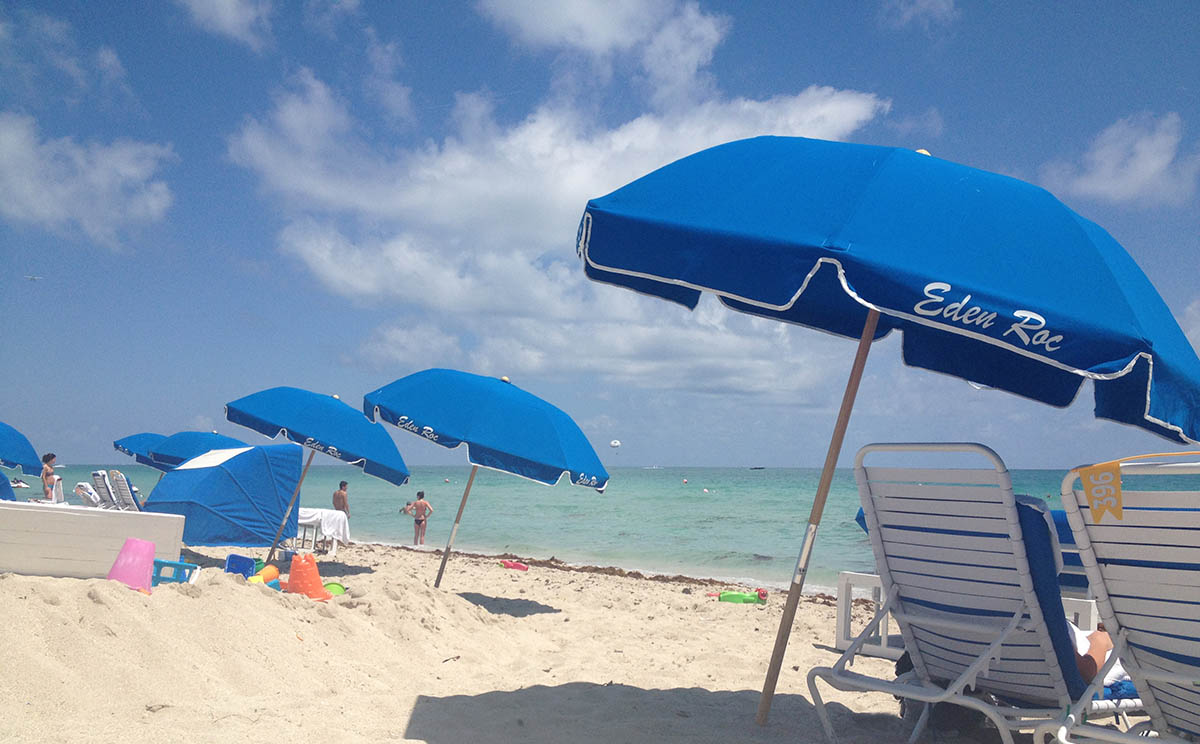
Fabulous Miami: Eden Roc Hotel is the It Spot of Miami



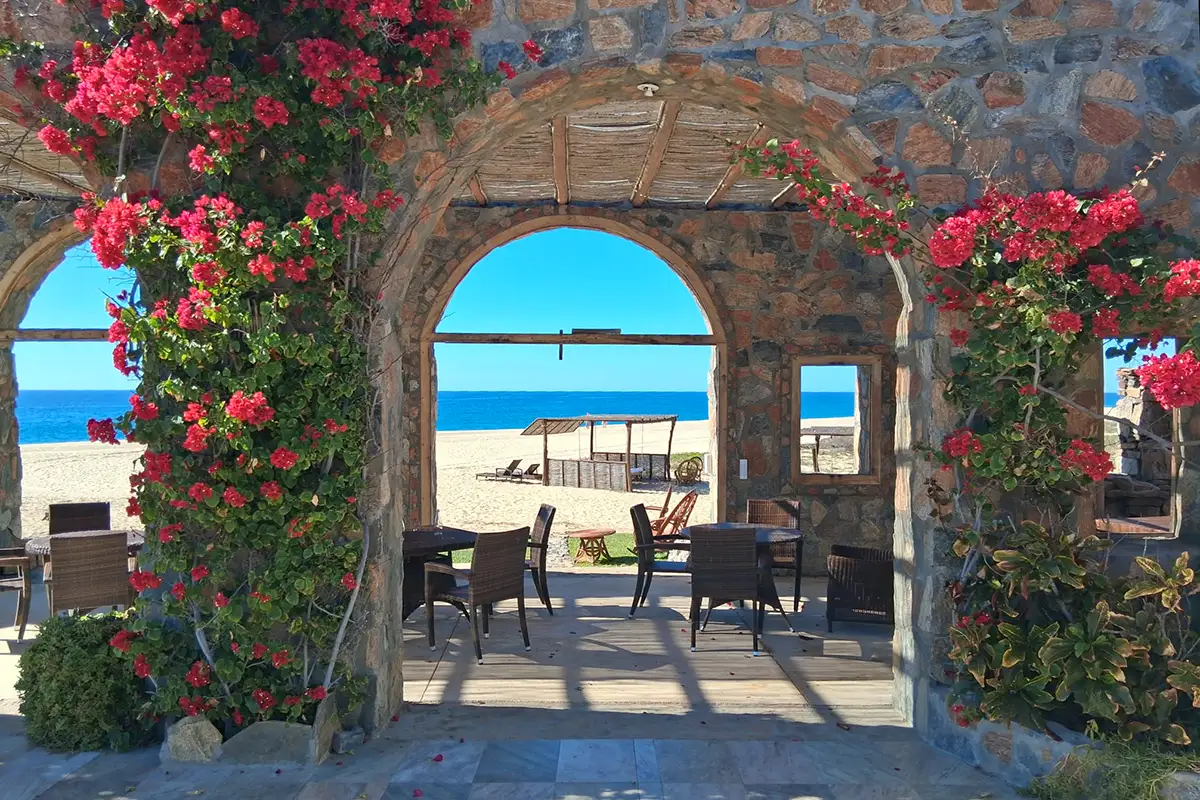
La Paz, the capital of Baja California Sur, has long been one of Mexico’s most extraordinary yet quietly kept treasures — a place where desert mountains drop into the Sea of Cortez in a way that feels almost otherworldly. For years it stayed largely off the international tourism map, overshadowed by the resort towns farther south and in other areas of Mexico. That’s beginning to change, but the city has stayed true to itself.
Getting here is easier than most people expect. You fly into Los Cabos, rent a car, and within ninety minutes you’re on a scenic stretch of highway that moves from cactus‑lined desert to wide views of the sea — a fitting introduction to what La Paz is about.
La Paz is a welcoming, low‑key place. A working city with deep local roots, and that’s a large part of its appeal. Its calm, secure atmosphere reinforces that feeling; La Paz is widely regarded as one of the safest and most peaceful cities in Mexico.
The seaside walkway, or malecón, is where much of daily life unfolds: people moving at an easy pace, kids on bikes and scooters, a few musicians setting up as evening settles in, and families pausing along the waterfront at sunset. Sculptures line the path, including the large pearl set inside an open shell, a nod to the city’s long history of pearl diving.

La Paz offers a quieter, more personal experience. The kind of place where you can slow down, breathe a little easier, and feel connected to where you are. Travellers seeking authenticity, natural beauty, and an unforced pace are starting to see what locals have known for years: La Paz is one of Mexico’s best‑kept secrets.
The story of La Paz begins long before tourism reached the peninsula. The Spanish arrived in 1535, and by 1596 the settlement had been formally named La Paz. For centuries afterwards, the region was defined by its pearl beds, once among the most valuable in the world. Pearl diving shaped the early economy and drew explorers, traders, and settlers who laid the foundations of the city.
By the early 20th century, the pearl industry had collapsed, and La Paz had to reinvent itself. Over time, it shifted toward marine research, conservation, and a slower, more sustainable form of tourism. Its coastline, wildlife, and cultural history became its new strengths, and only in recent decades have visitors begun to appreciate them fully.

You can see this blend of past and present throughout the region. Just outside La Paz, near Pichilingue, is Perlas del Cortez, La Paz’s only working pearl farm. It began in the 1990s as a university research project focused on restoring native oyster species and developing sustainable aquaculture methods. That research still shapes the operation today.
A visit here takes you through the process from the inside: the oyster cages in the water, the grafting work in the lab, and the slow, meticulous cultivation that can’t be hurried. Staff explain how the oysters fit into the broader marine ecosystem, why the pearls develop such varied colours, and how the species was brought back after being nearly wiped out in the Gulf of California.
Read the complete story on Mexico’s Best‑Kept Secret on our travel site here: La Paz and Todos Santos are Mexico’s Best‑Kept Secret – An Unassuming Coastal Treasure – Travel Trek and Tour