
Malta Travel Guide: Exploring 7,000 Years of History

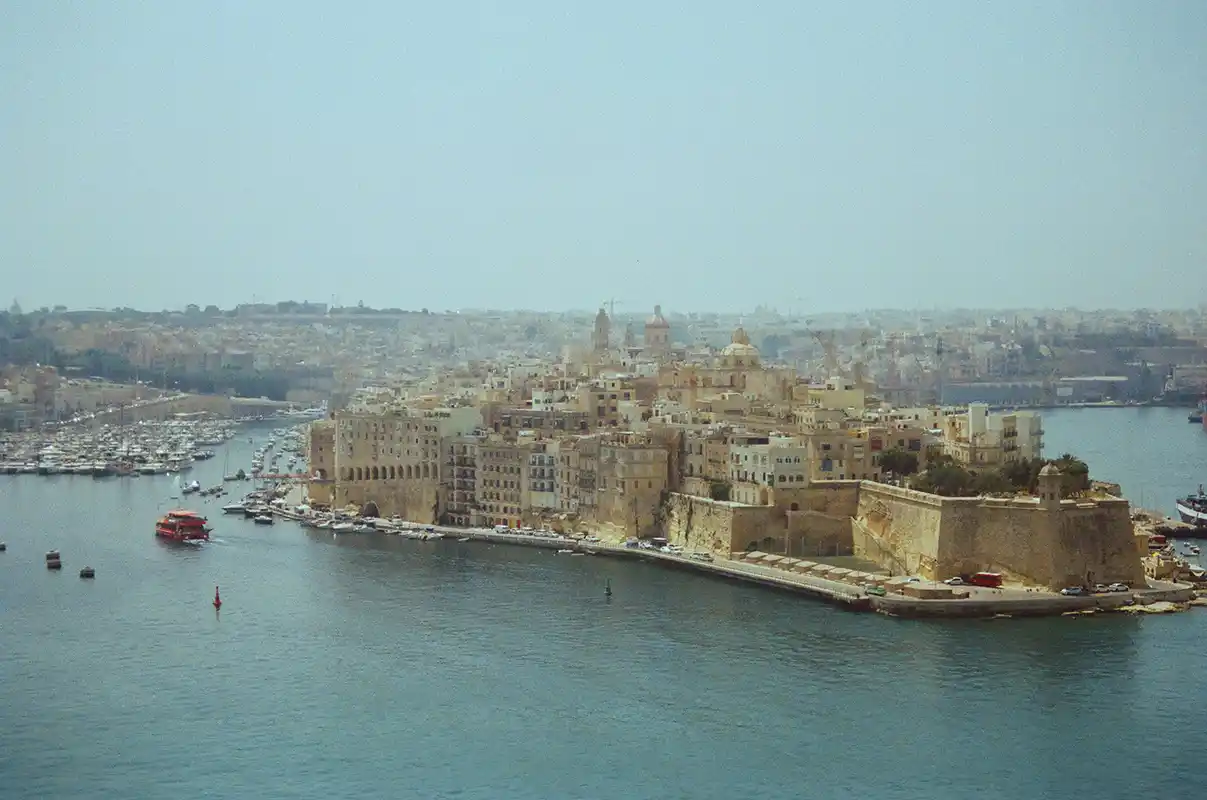
In Malta, the whispers of centuries-old stories are heard on every street, as if the spirit of ancient times still lingers. From the arrival of the Neolithic settlers in 5400 BC to the Knights of St. John in 1530, through the devastation of World War II and into its modern life as a popular Mediterranean destination, Malta feels like a living history museum.

I embarked on a four-day solo trip to Malta not just for the renowned pristine blue waters, but to see how this small, fascinating island could absorb thousands of years of cultural exchange and conflict while still holding tightly to its past.

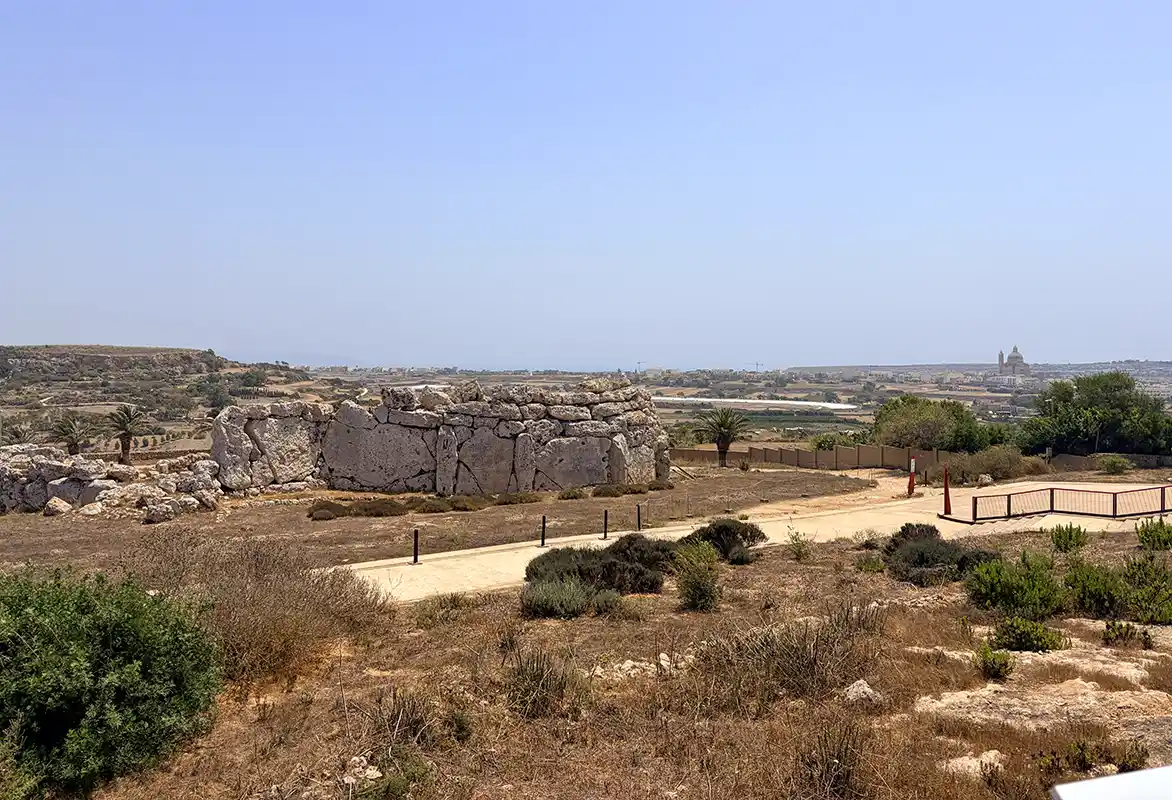
Where History Begins: Ġgantija Archaeological Park

Long before the crowds of tourists, giants roamed Malta. Well, that’s what people thought for centuries when they saw the Ġgantija temple.

Beginning in 5000 BC, farmers and herders arrived on the Maltese islands from various parts of the Mediterranean. Between 4100 and 3800 BC, a new wave of settlers from Sicily built massive temples, including Ġgantija. It became one of the earliest free-standing monuments in the world alongside the other Maltese Megalithic temples.

Click here to read the full story on our sister site, Travel Trek & Tour


For more European sightseeing destinations, check out our articles here. 

ALL PHOTOS: ANALISE SAAVEDRA