• By: Allen Brown

Orthobiologics: What Canadians Should Know

Ottawa residents know joint aches are part of real life. Hockey, running along the canal, winter slips, and desk work can lead to sore knees, shoulders, and backs that do not resolve with rest alone.

If you want joint pain relief without surgery, orthobiologics may be worth a closer look. These treatments aim to support healing in tendons, ligaments, muscles, and joints by using material taken from your own body, or components prepared from your blood.


Orthobiologics Basics

Orthobiologics are treatments that use biologic materials to help repair or calm injured tissue. You will hear about platelet rich plasma, bone marrow aspirate concentrate, and fat based injections. In plain terms, the idea is simple. 

Deliver a high concentration of helpful cells or growth factors to the sore area, then let your body do the work.

These procedures are performed in a clinic, most often with ultrasound guidance. The visit usually takes one to two hours. Many people return to normal daily tasks the same or next day, while avoiding heavy workouts for a short time as advised by the clinician.

Orthobiologics are not magic. They do not fuse bone or rebuild cartilage overnight. What they can do, when used for the right problem, is reduce pain, support tissue repair, and shorten recovery time compared with time and rest alone.


Who It Can Help

You may be a good candidate if you have one of the following:

• Mild to moderate knee or hip osteoarthritis that flares with activity
• Tennis elbow or golfer’s elbow that has lingered for months
• Rotator cuff strain or partial tear that is painful with overhead motion
• Patellar or Achilles tendinopathy from running or jumping
• Plantar fasciitis that has not settled with simple care


People who want to keep working, parenting, or training while they heal often like that orthobiologics are clinic based and do not require a hospital stay. Older adults who want to stay active without a joint replacement right now also consider them. 

So do younger athletes who want to avoid steroids or who did not improve with a single steroid shot.

Medical history matters. If you have active infection, blood disorders, or severe joint collapse on imaging, your doctor may recommend a different plan. Imaging and a physical exam guide these choices.


Treatment Options

Platelet Rich Plasma, PRP
PRP is made by spinning your blood to concentrate platelets. Platelets hold growth factors that signal healing. The clinician injects the PRP into the target area, often under ultrasound. Most people need one to three sessions several weeks apart. 

Mild soreness for a day or two is common. Early research supports PRP for knee osteoarthritis and chronic tendon pain. You can read an overview of PRP on Wikipedia.

Bone Marrow Aspirate Concentrate, BMAC
With BMAC, a small amount of bone marrow is taken from your pelvis under local anesthesia, processed in the clinic, and then injected. Bone marrow contains many cells, including progenitor cells. 

People consider BMAC when tendon or joint pain has not improved with PRP or when the problem is more complex. Soreness at the pelvis and the treated site can last a few days.

Adipose, fat based injections
Fat tissue can be processed to produce a cushion like graft or a cell rich fluid. Clinicians may choose this approach for soft tissue defects, cushioning around tendons, or arthritic joints. 

The sample usually comes from the abdomen or thigh through a small cannula. Expect bruising at the harvest site and activity limits for a short period.

Across these options, the goal is the same. Deliver a biologic boost to help the tissue settle and repair. For a quick primer on PRP’s growth factors and typical uses, see this plain language guide from Healthline.


How A Visit Works

Assessment
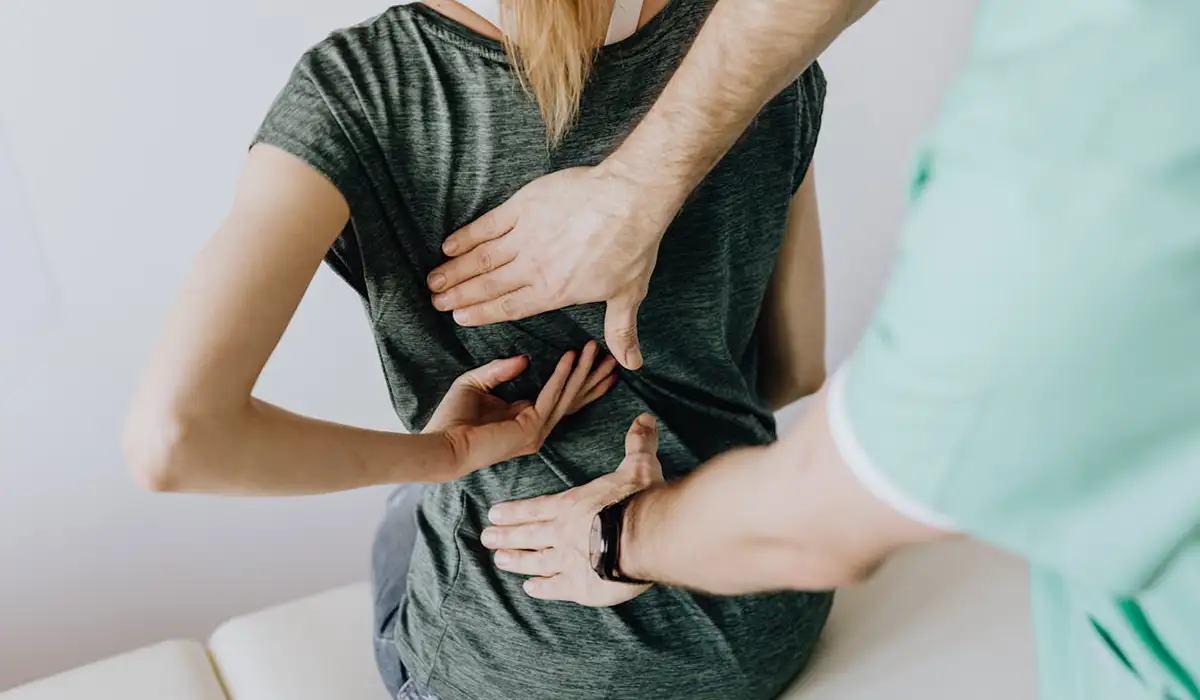
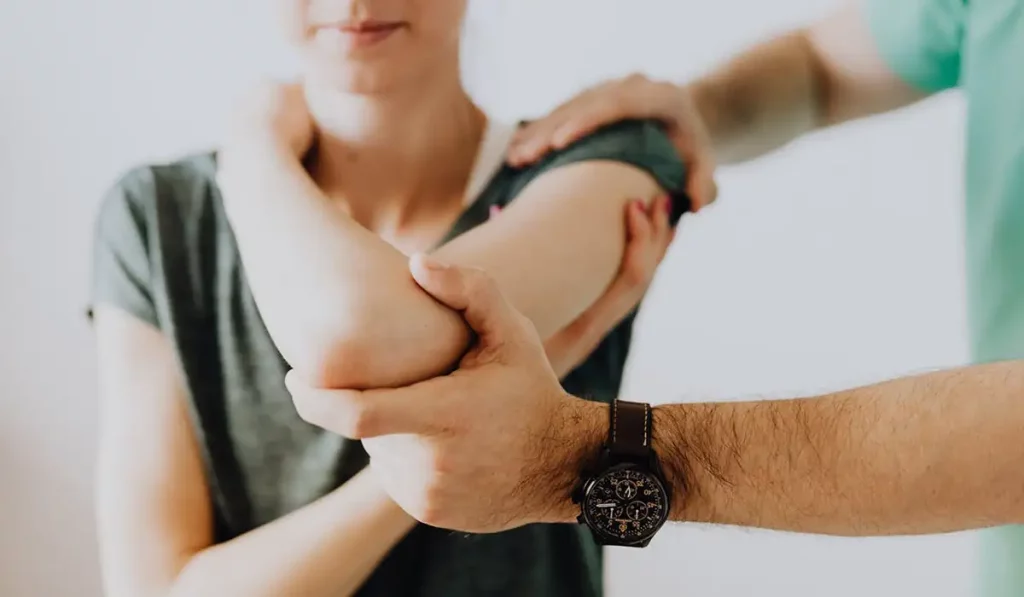
A sports medicine or orthopedic clinician takes a history, checks movement and strength, and reviews imaging. If the pain pattern fits and you have failed basic care, orthobiologics enter the discussion.

The visit
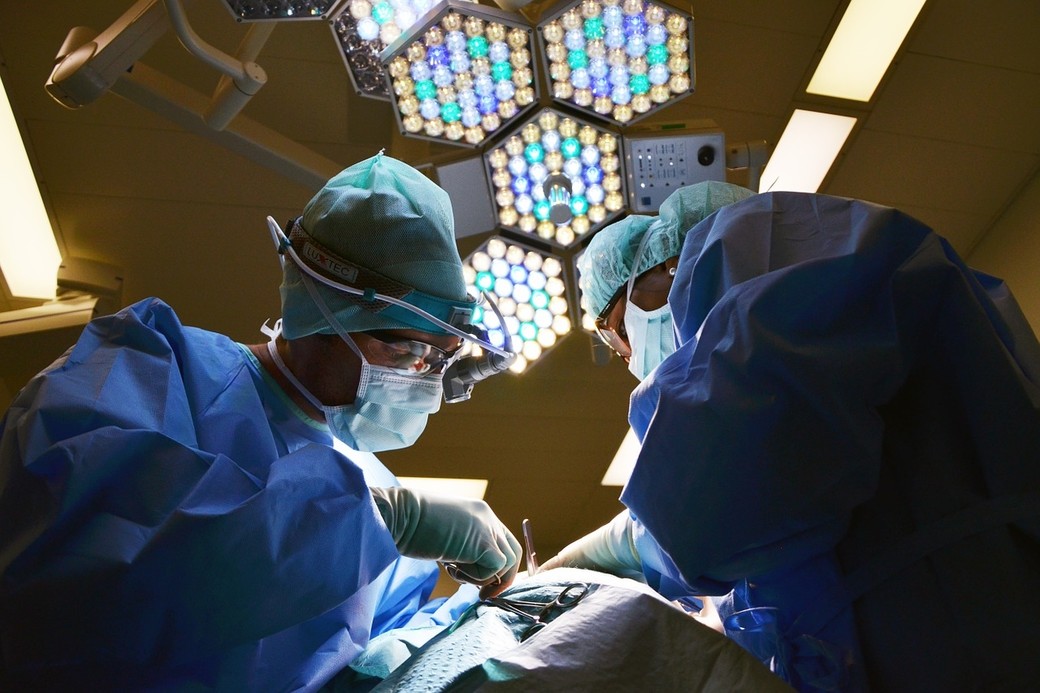
The team draws blood or collects bone marrow or fat. Material is prepared in a sterile kit. The target area is cleaned. Guidance with ultrasound or fluoroscopy helps place the injection accurately. Most injections take only minutes once prepared.

Aftercare
You rest the area for 24 to 48 hours, then follow a graded plan. Many clinics pair injections with physical therapy to build strength and balance. 

You avoid anti inflammatory drugs for a short window since they may blunt the desired response. Ice, acetaminophen, and relative rest are typical.

Timeline
Pain may spike slightly for one to three days, then settle. Early gains often appear by week two to four for tendon problems, or by six to eight weeks for arthritis. Some people repeat treatment after six to twelve weeks, based on goals and progress.


Risks And Limits

Any injection has risks. These include bleeding, infection, pain flare, and no improvement. Using your own tissue lowers the risk of allergic reaction. Clinics use sterile technique and imaging to reduce risks, but no option is risk free.

Orthobiologics work best for mild to moderate tissue injury. If imaging shows advanced joint collapse, mechanical locking, or full thickness tendon rupture, your doctor may advise surgery or combined care. 

People with autoimmune disease, blood thinners, or poor wound healing need extra review before proceeding.


Costs And Coverage

Costs vary. Coverage in Canada is mixed. Some private plans reimburse PRP for certain diagnoses, but many do not. Ask for a clear quote that includes consultation, imaging guidance, supplies, and follow up. Compare that with time off work, rehab, and other options.

Results vary by person, site, technique, and program quality. Ask how many cases the clinic has handled for your exact problem and what outcomes they track. Clear expectations and a plan that includes rehab improve your odds of success.


Questions To Ask Your Clinician

• What problem on exam and imaging makes me a candidate
• Which option, PRP, BMAC, or fat based, fits my case and why
• What is the expected number of sessions, and at what intervals
• How will we measure progress, pain score, strength, function
• What should I avoid before and after the injection
• What are the risks for me given my medications and health history
• What will this cost, and what is included in the fee
• What is the backup plan if I do not improve by a set date

A short list of clear questions helps you compare clinics and avoid confusion. Bring your imaging and a medication list. If you are an athlete or have a physically demanding job, request a return-to-play or return-to-work timeline that aligns with your season or schedule.

Takeaway

Staying active matters to Ottawa readers. Orthobiologics give another path to manage pain and support recovery while you keep your life moving. With a careful assessment, clear goals, and a rehab plan, many people report less pain and better function without an operation.

Photos: Karolina Grabowska, Kaboompics