Recommended Articles

The Best Bars to Visit in Ottawa

How to Choose a Car Seat or Booster Seat

How To Chose Lighting for My Home



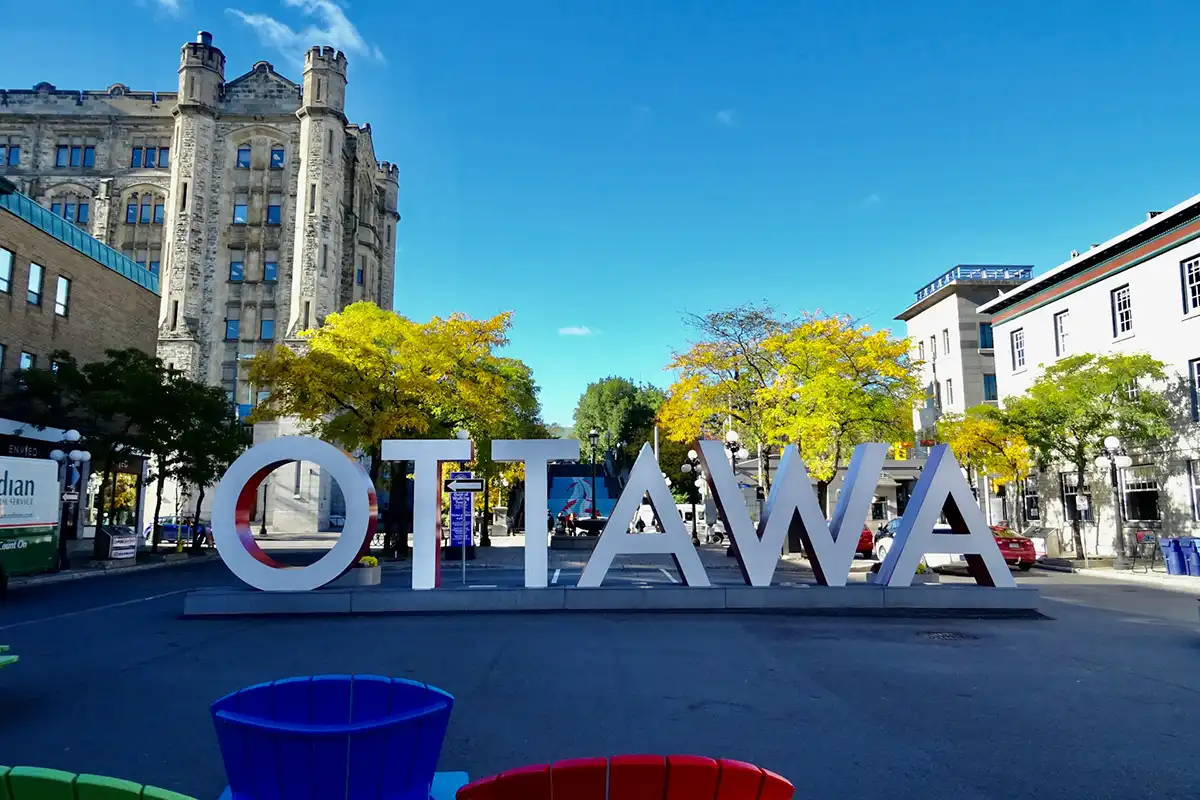
Ottawa is at an intersection as a Canadian capital with over 1.45 million people residing in the Ottawa-Gatineau metropolitan area and a developing tech industry. The city has the building blocks for becoming more than simply a government center, as it currently provides the standard landscape of government buildings and coffee shops throughout its streets, but what if the same streets could be transformed into a thriving community network where citizens have an active role in shaping their community through blockchain-based networks?
The question isn’t whether Ottawa can adopt Web3 technologies. It’s whether the city will seize this moment to reimagine how local government works.
Ottawa is already a recognized leader in smart cities. In addition to smart solutions such as automated salt management systems for winter salting vehicles and advanced metering technology, Area X.O., located on a 1,850-acre gated site in western Ottawa, offers top-tier communication infrastructure to test future generations of technologies. This is not theoretical or proposed infrastructure. It already exists.
There are over 100 industry partners that make up the city’s tech ecosystem for smart city initiatives. Some of these include multinational corporations as well as small startup organizations that develop anything from autonomous systems to IoT (Internet of Things) related technologies. With this type of well-established network, adding blockchain and Web3 capabilities would represent a logical next step rather than a great leap.
As municipal governance is typically slow, citizens provide input to their local governments through public forums (in person) or online feedback submissions, and they may have to wait months for a response. Blockchain technology can transform how municipalities operate by enabling residents to directly participate in their communities’ decision-making processes through decentralized, verifiable voting systems.
Estonia is already using blockchain as part of the e-Estonia initiative, which is transforming the country into “the world’s most digitally advanced society”. Estonia is using blockchain to replace physical driver’s licenses and student ID cards with mobile IDs. What works in Tallinn can also work in Ottawa. Using a single secure digital identity you control, you can link your transit pass, library card, and voter registration.
Community-oriented tokens demonstrate how decentralized participation models might empower citizens in the long term. Projects like $MAXI memecoin, found on the new site maxidogetoken.com, are designed to power social ecosystems through community challenges, contests, tipping, and on-chain mini-apps, showing how token holders can gain both shared identity and governance voice over community initiatives. While memecoins might seem frivolous at first glance, they’re testing grounds for engagement models that cities could adapt for civic participation.
Cities like Ottawa are in the same financial position as many others that have grown to meet rising demand. A town has infrastructure needs and therefore requires funding. Residents also expect their tax payments to be used responsibly and would like to know what they are paying for. The blockchain market was approximately $32.99 billion in 2025 and is expected to grow to nearly $393.45 billion by 2030. This growth is primarily driven by the need for a highly transparent, fraud-proof environment to track spending.
Imagine a city’s budget, with a complete history of how each dollar was spent (for example, on road repairs and park maintenance), recorded on an unalterable blockchain. The records would show the exact time and amount paid to contractors for each contract, as well as whether the project went into overtime or was completed ahead of schedule. Transparency can build trust between taxpayers and their government by simply showing that everything is being done fairly.
The Swedish Land Registry Authority has been exploring blockchain technology since 2016 to enable real-time registration of property transactions for all parties involved, including buyers, sellers, and banks. In doing so, it will eliminate opportunities for fraud, increase confidence, and ultimately improve the speed of home buying. Similarly, Ottawa could use blockchain technology for recording property transactions. It would make home purchasing easier, safer, and faster, and remove unnecessary middlemen who add costs without creating value.
Web3 enables new ways to fund local projects without waiting for government approval. Decentralized Autonomous Organizations (DAOs) let community members pool resources and vote on how to spend them. A neighbourhood could create a DAO to fund a new playground, with every contributor getting voting rights proportional to their investment.
Web3 grants provided crucial financial support to projects in 2024, with programs offering milestone-based funding to promote the adoption of blockchain technology and build sustainable communities. Ottawa’s community groups could access similar funding models to supplement traditional grants and donations.
The DAO model works particularly well for creative projects and public goods that struggle to secure traditional funding. Want to install public art in an underserved neighbourhood? A DAO could fund it. Need to organize a community cleanup? Smart contracts could automatically distribute rewards to participants based on verified contributions.
As of 2024, the metropolitan region of Ottawa-Gatineau is home to 1,452,000 people, an increase of 1.04% over 2023. As the city grows, so does its need for infrastructure. The combination of blockchain technology with Internet of Things (IoT) sensors could develop smarter ways to manage infrastructure, such as traffic flow and energy distribution.
Imagine a future where your electric vehicle connects directly to the city’s charging network through a blockchain-verified transaction—there are no credit cards to use, no mobile applications to download or operate, and no issues whatsoever. The vehicle will automatically pay for and receive clean energy from the grid when needed, and the city will track all of this to count toward carbon credits. All of this will occur without any centralized authority overseeing the process.
Area X.O. currently manages one of the world’s most advanced communications testing infrastructures using GPS, 4G/LTE, WiF,i and pre-commercial 5G networks provided by Nokia and Ericsson. This infrastructure already exists. The city has to layer Web3 on top of it.
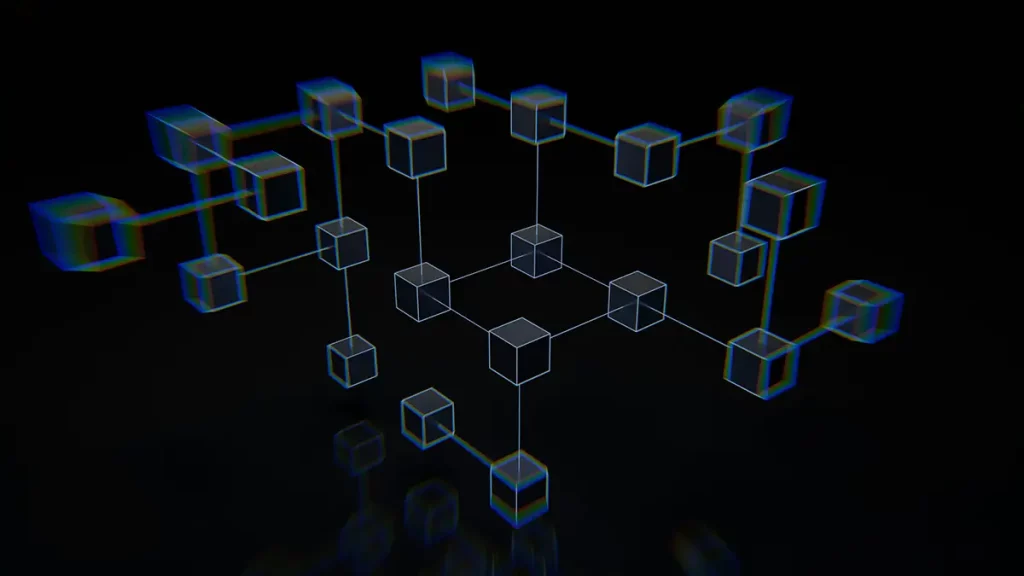
Photo: Shubham Dhage, Unsplash
Ottawa can look very different by 2030: using web-based, secure IDs for all interactions, voting for municipal budgets via blockchain voting systems, and funding local community initiatives through decentralized autonomous organizations (DAOs) with publicly visible, open ledger systems.
The tools for creating this new reality mostly already exist, and the city has the required physical and human infrastructure to support them. What is missing is the willingness to experiment and to ensure that the use of these new technologies supports every citizen in Ottawa. Ottawa can take the lead as a model of how web-based technology can improve both government and our lives, if it chooses to do so.
Header image: Jacob Meissner, Unsplash