
Ottawa Convenience Store Removes Cigarettes in First‑of‑Its‑Kind Smoke‑Free Shift in Canada
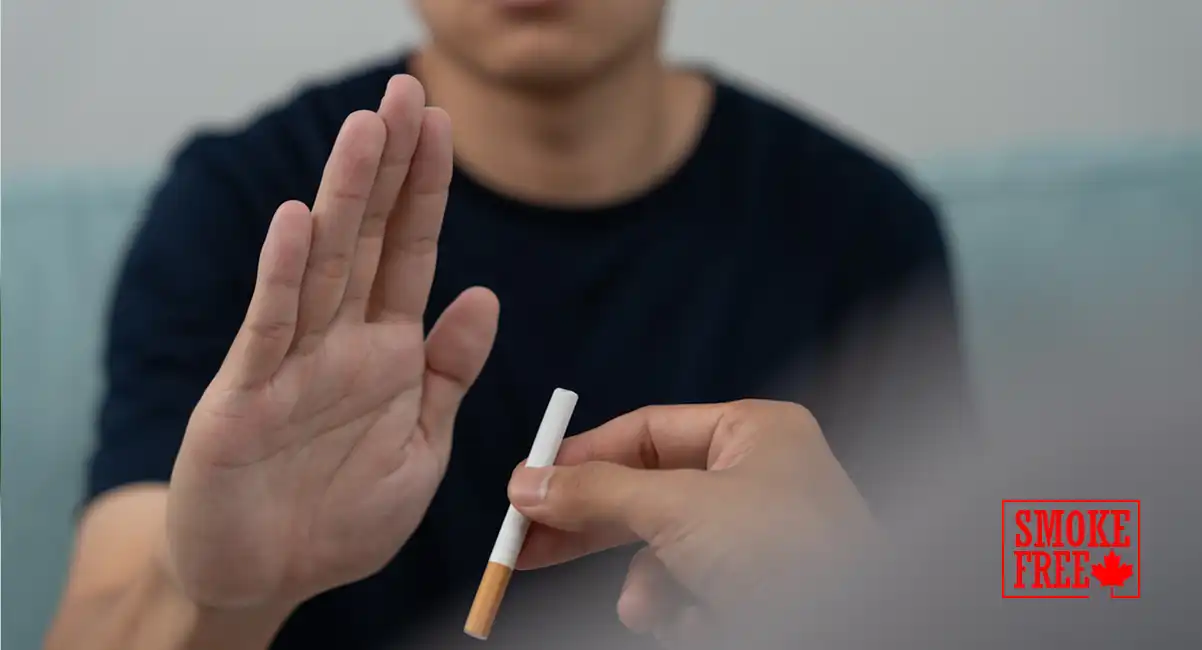
Ottawa’s Bank Street saw an unexpected shift this month when Etcetera Mart, a well‑known downtown convenience store, temporarily removed all cigarettes from its shelves and replaced them exclusively with smoke‑free products. The move is part of a national challenge issued by Rothmans, Benson & Hedges (RBH) to raise awareness about alternatives available to adult smokers — and to highlight how little information Canadians currently receive about them.
For half a day, the store offered only heated tobacco devices and sticks, making it the latest in a growing list of Canadian retailers participating in RBH’s awareness initiative. The goal is not to promote a specific product, but to demonstrate what a smoke‑free retail environment could look like and to spark a broader conversation about how Canada regulates information around nicotine alternatives.
“Smoke‑free products, have the potential to push Canada faster to its goal of achieving a future without cigarettes,” said Ali Raza, Director of Smoke Free Products at RBH. “Canadians have a right to know these options exist. They have a right to information.”
Raza points to a central tension in Canada’s tobacco landscape: millions of Canadians still smoke, yet federal law significantly restricts how manufacturers and retailers can communicate about smoke‑free alternatives. “Unfortunately, right now, Canadian laws limit how manufacturers and individuals can talk about smoke‑free products,” he said. “As a result, Canadians who smoke have a harder time getting information about how smoke‑free alternatives differ from cigarettes.”
A Retail Experiment With National Implications
The Bank Street store’s participation is part of a broader national effort. Retailers in several provinces have already taken part, and more are expected to join in the coming months. The initiative is designed to show how retail environments might evolve if adult smokers had clearer access to information about potentially less harmful alternatives.
“Customers come into our store every day for cigarettes and have no idea other options are available,” said Md Alam, Manager at Etcetera Mart. “If they walk out thinking even once about alternatives, then we’ve made a positive impact on someone’s future.”
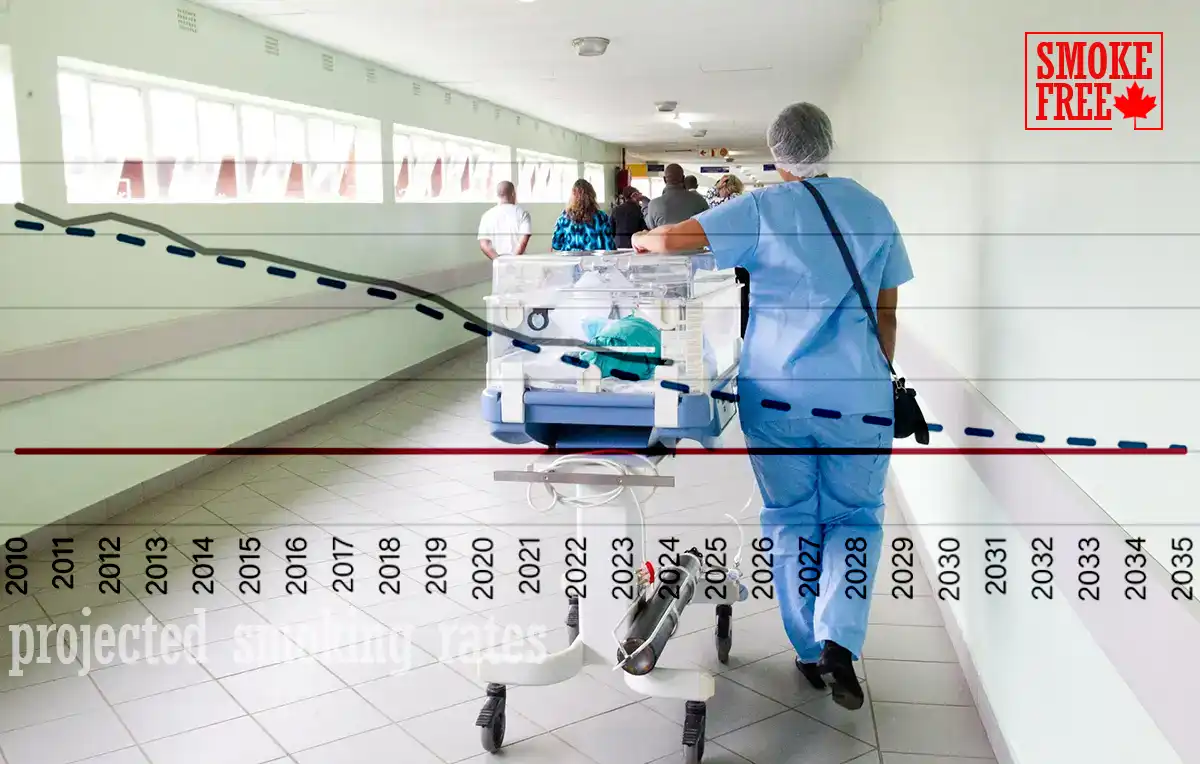
International examples are often cited in these discussions. Japan has seen cigarette sales decline sharply over the past decade as smoke-free products became widely adopted. Sweden — long recognized for its use of lower‑risk nicotine alternatives — is on track to become the first country in the world to reach “smoke‑free” status as defined by the World Health Organization, with smoking rates below five percent.
A Canadian Market in Transition
Canada’s tobacco landscape is evolving quickly. While cigarette smoking continues to decline, concerns are being raised about the growing illicit market — including illegal cigarettes, smoke-free products and nicotine pouches.
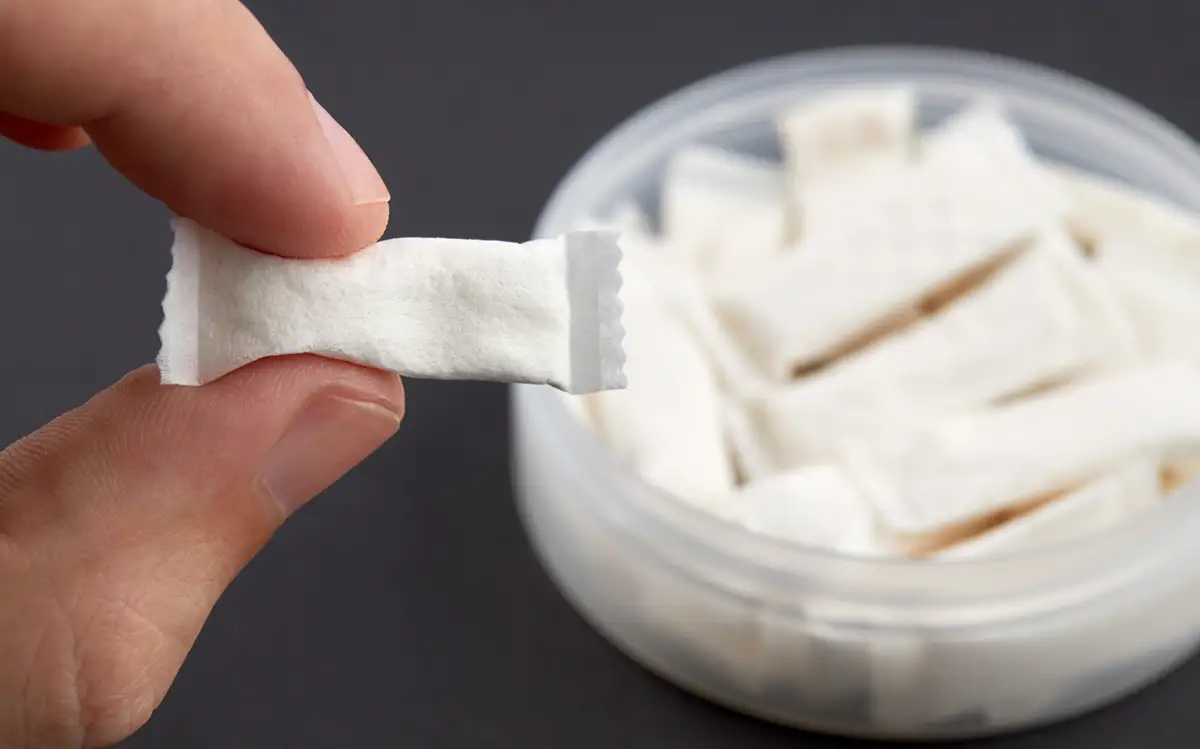
An August 2024 federal Ministerial Order mandated the sale of nicotine pouches be restricted behind pharmacy counters. Hon. Danielle Smith, Premier of Alberta recently wrote Prime Minister Carney stating:
“These restrictions appear to have also coincided with growth in an illicit and unregulated market. Rather than supporting the objective of reducing demand for nicotine products, the federal approach has driven nicotine pouch purchasing into channels that are harder to monitor and enforce.”
The Premier and the Minister of Service Alberta and Red Tape Reduction further stated in their March 2, 2026 letter, “When a regulated alternative is more difficult to access than cigarettes, it sends the wrong signal and complicates efforts by adults working to lessen their dependence.”
Why Ottawa Matters
Etcetera Mart’s participation in the RBH challenge is not a policy change — but it is a visible signal of a broader shift underway. Ottawa, home to federal regulators, health‑policy organizations, and national advocacy groups, is a natural stage for this type of demonstration.
The temporary removal of cigarettes from a downtown retailer forces a simple question: what would happen if adult smokers had clearer access to information about alternatives?
For RBH, the answer is straightforward. “International examples show us that when smokers have access to both information and the products themselves, smoking rates decline,” Raza said.
For policymakers, the question is more complex. Canada must balance youth protection, public‑health goals, and the realities of a changing nicotine market — all while ensuring that adult smokers are not left without credible, accessible information.
As more retailers across the country join the smoke‑free challenge, the conversation is likely to grow louder. Whether it leads to regulatory change remains to be seen, but one thing is clear: The technology for a smoke-free future is here. The question is not whether we can achieve it, but whether governments will choose to move forward to ensure information and access to better choices is available.