• By: Dan Donovan

Otto Jelinek: A Canadian Life of Courage, Grace, and Service

Otto Jelinek’s passing on September 5, 2026, brings to a close one of the most remarkable Canadian stories of the last century. His life was defined by resilience, reinvention and a deep commitment to the country that welcomed his family as refugees. For readers of Ottawa Life Magazine, his legacy reflects the values that shape Canada at its best.

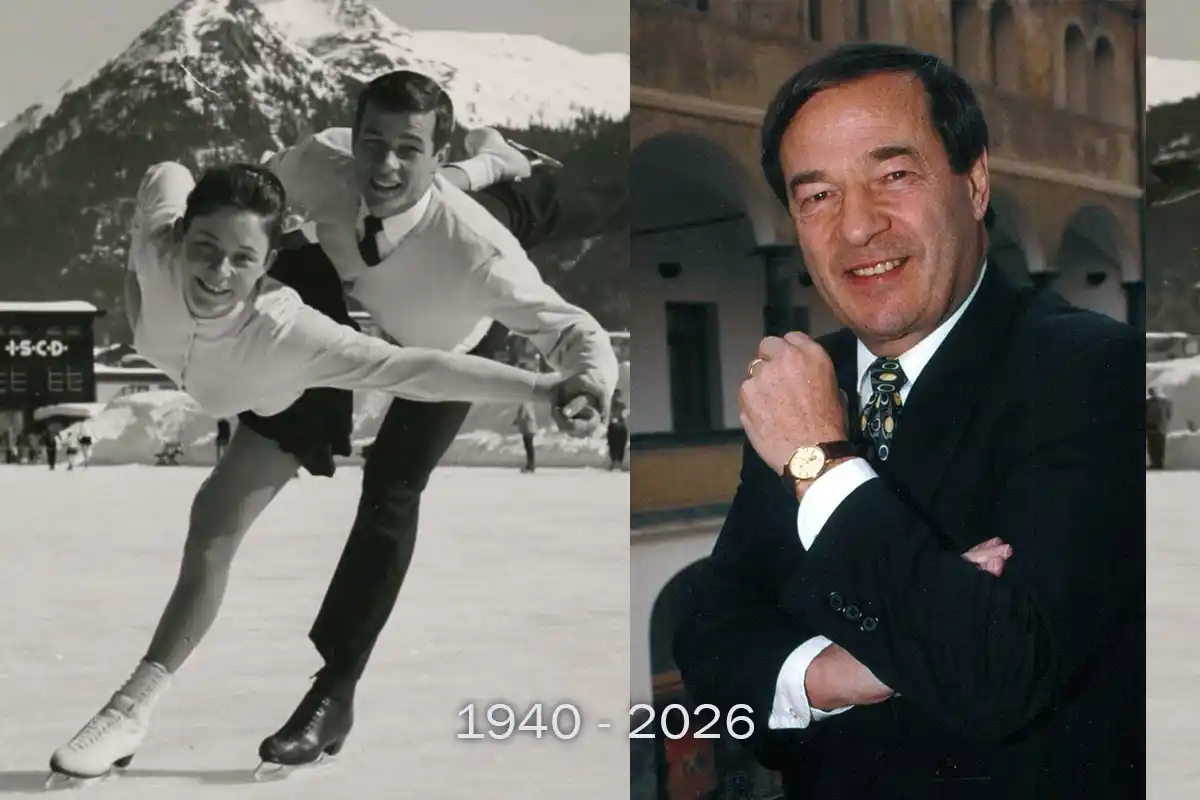
‘Otto’ was born on May 20, 1940, in Prague. When communism took hold in 1948, his family fled Czechoslovakia and eventually settled in Oakville. He attended Appleby College and Oakville Trafalgar High School before continuing his studies in Davos. It was on the ice that he first became known to Canadians. Skating pairs with his sister Maria, he became World Figure Skating Champion in 1962. The championship took place in Prague, the city his family had been forced to leave fourteen years earlier. The siblings later toured with the Ice Capades throughout North America, and Otto went on to become a commentator for CTV with Johnny Esaw.

After retiring from skating, Otto founded Canadian Skate Industries, a manufacturer of hockey and figure skates. He entered federal politics in 1972 as a Progressive Conservative MP, quickly earning a reputation for hard work, loyalty and a clear understanding of international affairs. His personal history gave him a grounded perspective on democracy, authoritarianism and the responsibilities of public service. In Ottawa, colleagues often remarked on his steadiness both as a parliamentarian and as a minister who preferred competence over theatrics.

Under Prime Minister Brian Mulroney, Otto served in several senior cabinet roles, including Minister of State for Fitness and Amateur Sport and later Minister of National Revenue. In the sport portfolio, he championed stronger federal support for amateur athletes and backed early initiatives that improved coaching standards, expanded training resources and strengthened national sport development at a time when Canada was beginning to invest more seriously in high‑performance competition. His work helped set the stage for the more coordinated, athlete‑focused system that would emerge in the decades that followed.

As Minister of National Revenue, Otto became part of the effort to modernize a department that had long relied on slow, paper‑driven processes. He supported reforms that made tax filing more straightforward, strengthened audit practices, reduced processing delays and improved the way Canadians accessed information and assistance. He worked with a quiet effectiveness that produced changes more significant than the attention they received. These improvements helped create a federal service that was more efficient, more reliable and better aligned with the expectations of a country entering the digital age.

Following his political career, Otto returned to Prague with his family. He founded Jelinek International, helping Western companies invest and establish themselves in Central and Eastern Europe. He later became Chairman of Deloitte and Touche for the region and served as Tourism and International Business Development Coordinator for the Czech government, reporting directly to Prime Minister Milos Zeman. At the age of seventy, he accepted Prime Minister Stephen Harper’s request to serve as Canada’s Ambassador to the Czech Republic. He returned once again to the country of his birth, this time as Canada’s official representative.

Beyond his public roles, Otto was known for his warmth, humour and love of storytelling. He enjoyed music, especially Frank Sinatra, as well as gardening, golf, tennis, painting and gatherings with friends and family. He shared his life with his beloved wife, Leata, and was a devoted father to their sons, Misha and Jamie. He is survived by Leata, Misha and Jamie, his siblings Richard, Maria and Henry, his sister‑in‑law Marilyn, extended family in the Czech Republic and many nieces, nephews and cousins.

Otto’s public career unfolded during a period when Canada was expanding its international presence and modernizing the way federal institutions served the public. In Ottawa, he approached his responsibilities with a clear understanding of how government works and how practical decisions can shape national policy. His colleagues remember a minister who focused on the job rather than the spotlight and who valued the steady work required to move files forward.

When he later represented Canada abroad, he carried that same approach into diplomacy. He understood the importance of long‑term relationships and the influence that comes from consistency rather than theatrics. His time in Central and Eastern Europe placed him in a region undergoing significant political and economic change, and he worked in a way that reflected both his Canadian experience and his personal history.

Otto’s place in Canadian political history rests on the example he set. He belonged to a generation of public figures who helped strengthen national institutions and broaden Canada’s engagement with the world. His career reflects how newcomers to Canada have shaped public life and contributed to the country’s direction through steady, thoughtful service.

In his final years, Otto faced Parkinson’s disease with the same determination that marked his public and private life. He passed peacefully at Trillium Health Centre Mississauga, surrounded by his family. His journey from refugee to world champion, parliamentarian, business leader and ambassador remains one of the notable Canadian stories of his time.

He will be remembered with respect by those who worked with him and with affection by those who knew him personally.

Skating photo courtesy Canada’s Sports Hall of Fame