Pothole Season: Who’s Liable When Your Car is Damaged?
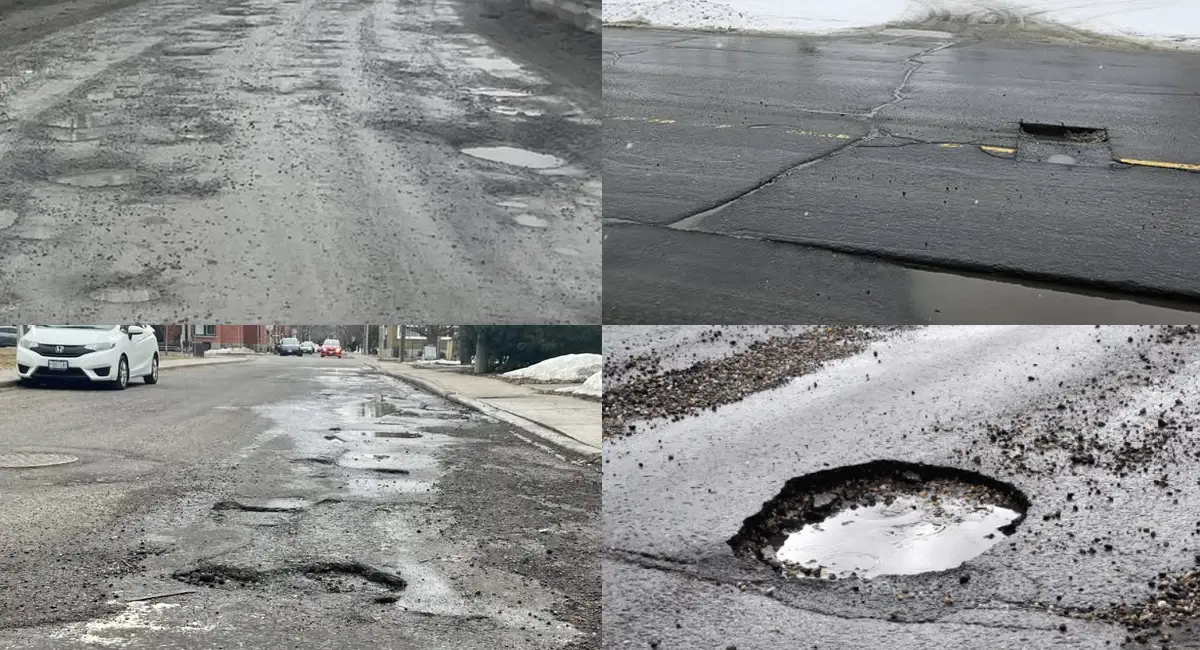
Spring is a welcome sight after winter. While the flowers are blooming and the temperatures are warm, drivers experience their least favourite part of the season: potholes. Freeze-thaw cycles cause these road hazards on public streets, and when driven over, they can damage your car. This can leave you wondering who’s responsible for the damage if you hit a pothole: you or the municipality?
In this article, we’ll go over municipal liability, how to go about filing a claim, why claims frequently get denied and tips on how to ensure you receive the compensation you deserve.
Understanding Municipal Liability
Municipalities have a duty to keep public roads and spaces safe and functional for people who use them. While the municipality can be held liable for damages caused by a pothole, it is quite difficult to win claims against them. The city’s repair obligations are assessed in part by the size and depth of a pothole, depending on the type of road it is located on.
And while the city is responsible for repairing potholes within a certain timeframe, this obligation arises once the city has notice of the pothole, whether through a report or through its own inspections, maintenance activities, or other means by which it knew or ought reasonably to have known of the pothole. The time limit to repair the pothole starts once the city has such notice.
The Municipal Act and its regulations describe the conditions under which a municipality may rely on a statutory defence to liability for damage caused by potholes. The busier, bigger, and faster the road, the smaller the tolerance for potholes is.
In Ontario, potholes are governed by the Minimum Maintenance Standards for Municipal Highways, or Ontario Regulation 239/02. It states that for major arterial roads, potholes exceeding 600 cm² in surface area and 8 cm in depth must be repaired within four days once the municipality has notice of the defect.
Meanwhile, residential streets, which are considered Class 5, allow larger potholes of 1,000 cm² surface area, the same 8 cm depth, and a longer repair window of 30 days once the municipality has notice of the defect.
With these requirements, holding the municipal government accountable is increasingly more challenging. If the potholes are within the requirements, surface area, depth and repair window, filing a claim becomes a lot trickier.
How to File a Damage Claim
If your car has been damaged by a pothole, filing a claim with your auto insurer is often the most straightforward option. In some circumstances, it may also be possible to pursue a tort claim against the municipality for negligence or a failure to meet its duty of care. Regardless of which route you take, the following steps can help protect your position and preserve your ability to recover your losses:
Step 1: Document Everything
It’s essential to document everything.
• Take pictures of the pothole and the damage to your car.
– Take multiple photos from different angles and include a wide shot that shows identifiable locations or landmarks.
– With a tape measure or ruler, measure the length, width, and depth of the pothole. Take pictures of the measurements. These can be used in court as evidence.
– An actionable tip to keep in mind: Most iPhones come with a ‘Measure’ app, which allows you to document the pothole’s length, width and depth. Once done measuring with the app, screenshot the results for the claim.
• Note as much relevant information as possible, such as that some roads are under municipal and others under provincial responsibility. Document the road name, direction of travel, and the exact place where the injury took place.
• Keep track of other details like weather, time of day, and any witnesses.
Municipalities may try to share the blame with the driver, so thorough documentation is crucial.
Step 2: Report the Pothole
Reporting the pothole promptly is important, as the municipality’s obligation to address it arises once it has notice of the defect, whether through a report or through its own inspections or maintenance activities. When reporting, be prepared to provide the location, details about any people or vehicles involved, and a photo of the pothole.
Step 3: File a Formal Claim
File a formal claim through the city’s official website or designated claims portal. Adhere to the specified deadline, which can vary by location, subject to the exceptions set out in the Municipal Act.
If your claim is complex or you anticipate challenges, consult with a lawyer specializing in municipal liability. They can guide you through the process, ensure deadlines are met, and advocate on your behalf if necessary.
Why Most Claims Get Denied (and How to Improve Your Odds)
Some drivers avoid filing a claim against the municipality when they hit a pothole because they feel they have very little chance of winning. Here’s the basis for why many claims are denied:
• The pothole did not cause damage to the car.
• The driver’s negligence caused the damage, not the pothole.
• The required notice was not provided within the statutory timeframe.
– According to section 44(10) of the Municipal Act, a person bringing a claim for damages arising from the non-repair of a municipal highway is generally required to provide written notice of the claim to the municipality within 10 days of the incident. However, the Act allows a claim to proceed where there is a reasonable excuse for failing to give notice and the municipality is not prejudiced by the delay.
To strengthen your case, consider hiring a lawyer. These professionals can help you meet deadlines, fill out the correct forms, and build a strong case on your behalf. They can also put you in touch with a mechanic, who can accurately assess the damage and confirm it was due to the pothole, and not your actions as a driver.
Key Takeaways
By understanding municipal liability and following the correct claims procedures, you can increase your chances of receiving compensation for damages. Remember to document the incident thoroughly, report the pothole promptly, and file a formal claim within the specified deadline. While many claims are denied, seeking legal advice and providing strong evidence can significantly improve your odds of success.
About the Author: Gavin Cosgrove is a partner at Bergeron Clifford. He is a graduate of Holy Cross Catholic Secondary School in Kingston. Upon graduation, he attended Manhattan College (New York, NY) on an athletic scholarship, where he competed in track and field. Gavin completed his legal studies at the University of New Brunswick. Gavin joined Bergeron Clifford in the summer of 2009, was certified as a specialist in civil litigation in 2019, and is a partner with our firm. Gavin is a proud member of the Ontario Trial Lawyers Association, the Frontenac Law Association, the County of Carleton Law Association, and the County of Lanark Law Association. He represents clients in auto cases, LTD denials, and negligence cases.
Photos via Facebook