
• By: Allen Brown

Preparing Your Property for a Canadian Winter with Horses

Winter in Canada is more than just a season; it’s a rigorous test of endurance for both horse and owner. When the temperature plunges and the snow begins to accumulate, your daily barn chores transform into a battle against the elements. Proper preparation is the difference between a stressful season of frozen pipes and a manageable winter with your equine companions.

Getting your property “winter-ready” should be at the top of your to-do list before the first hard frost hits the ground.

Inspect and Repair All Shelters

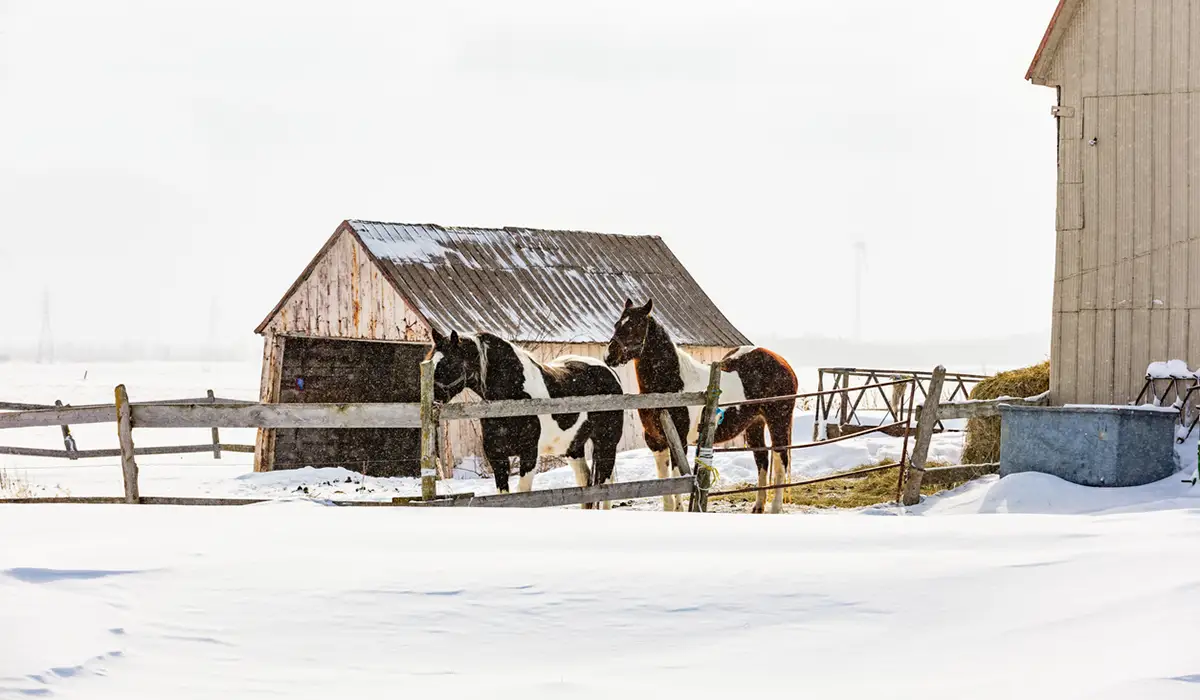
Your horses don’t necessarily need a heated stable, but they do need a dry, draft-free place to escape the biting wind and moisture.

• Check the Roof: Look for loose shingles or leaks. Heavy Canadian snow loads can put immense pressure on a structure; ensure your run-in sheds are structurally sound.

• Block the Prevailing Winds: In Canada, winter winds usually blow from the north or west. Ensure your run-in sheds are oriented so the open side faces south or east to catch the winter sun.

• Bank the Stalls: If you keep horses inside, ensure you have an adequate supply of bedding. Wood shavings or straw provide essential insulation against the cold ground.

Water Management: The Winter Lifeline

A horse’s water intake actually increases when they transition to a dry hay diet in the winter. If the water is too cold, they will drink less, significantly increasing the risk of impaction colic.

Check your stock tank heaters now. Inspect cords for fraying—rodents love to chew them over the summer—and test the heating elements. If you use automatic waterers, ensure the heat tape is functioning. If you are currently browsing horses for sale in Ontario to add to your herd, ensure your existing water system can handle the additional demand of more animals during a deep freeze.

Fencing and Pasture Safety

Snow can drastically change the height of your fence. A three-foot drift can turn a standard four-foot fence into a simple step-over hazard for a bored horse.

• Tighten the Lines: Cold weather causes wire to contract and sag. Ensure your perimeters are tight before the ground freezes.

• Check the Gate Swing: Clear away rocks and debris from gate paths now. Once the ground freezes, any obstructions will be locked in place, potentially preventing you from opening gates when the snow arrives.

• Electric Fencing: If you use an electric fencer, ensure the grounding is adequate. Dry snow acts as an insulator, which can make electric fences less effective in the dead of winter.

Feed and Forage Logistics

Horses stay warm through fermentation in the hindgut. This means they need more “fuel” (hay) during the winter to maintain their body temperature.

1. Calculate Your Supply: Estimate at least 2% to 2.5% of each horse’s body weight in hay per day. It’s always better to have ten bales too many than to be searching for hay in March when supplies are low and prices are high.

2. Storage: Keep hay off the ground on pallets to prevent moisture from wicking up and causing mold.

3. Accessibility: Store your hay where it is easily accessible even if a tractor or truck cannot get through deep snow.

Equine Health and Maintenance

Preparing the property is only half the battle; you must also prepare the horse.

• Hoof Care: Talk to your farrier about “snow poppers” or pads if your horses stay shod. These prevent ice balls from forming in the hoof, which can cause strained tendons or dangerous slipping.

• Blanketing Strategy: If you choose to blanket, ensure you have multiple weights. A wet blanket is worse than no blanket at all, so check for waterproofing early in the season.

• Respiratory Health: Since horses spend more time indoors or near shelters in winter, dust management is crucial. Keep aisles swept and ensure the barn has proper ventilation to prevent pneumonia.

The “What If” Emergency Kit

Canadian winters are unpredictable. Power outages and blocked roads are common occurrences in rural areas. Your property should have:

A backup generator for the well pump.
Flashlights and headlamps with extra batteries
A minimum two-week supply of grain and any necessary medications.
Sand or non-clumping kitty litter for traction on icy barn aisles.

Conclusion

Preparing for a Canadian winter requires a proactive mindset. By addressing drainage, structural integrity, and feed supplies in the autumn, you create a safer environment for your horses and a much easier workload for yourself. Taking the time to winterize your property now ensures that when the blizzard hits, you can stay warm inside knowing your horses are safe, hydrated, and fed.

Photo: iStock