Renting vs. Buying in Ottawa: What to Consider Beyond the Monthly Payment
Ottawa can turn a housing decision into a personality test. One minute you’re checking rent prices. The next, you’re deep in mortgage calculators, wondering whether you’re a condo person, a townhouse person, or someone who cares about yard drainage!
If you’re weighing renting against buying, the monthly payment is the place to start. It’s also the easiest place to get stuck. A rent payment and a mortgage payment don’t tell the whole story, especially in a city where your commute, neighbourhood, savings, and stage of life can change what “affordable” feels like.
Start With the Full Cost, Not the Cleanest Number
Rent is the simpler number. You pay the landlord, then add the costs that apply to your place: utilities, tenant insurance, parking, laundry, internet, and maybe pet fees. If the fridge gives up or the roof starts leaking, you’re not the one calling contractors.
Buying has more moving parts. The mortgage may be the biggest line on the page, but it’s not the only one. Property tax, home insurance, utilities, repairs, condo fees, legal fees, and land transfer tax can all affect what you spend.
That’s why comparing $2,200 in rent with a $2,700 mortgage can mislead you. The mortgage may look close enough until the rest of ownership joins the conversation. Renting can get expensive too, especially if your lease ends and the next place costs more.
Insurance should sit near the top of that budget, not somewhere you think about after the boxes are packed. Renters need protection for belongings and liability, while buyers need broader coverage for the home, contents, and possible lender requirements. Providers like Aviva offer insurance options for different living situations, making it easier to factor coverage into your budget before moving day.
Ottawa’s Market Changes by Neighbourhood
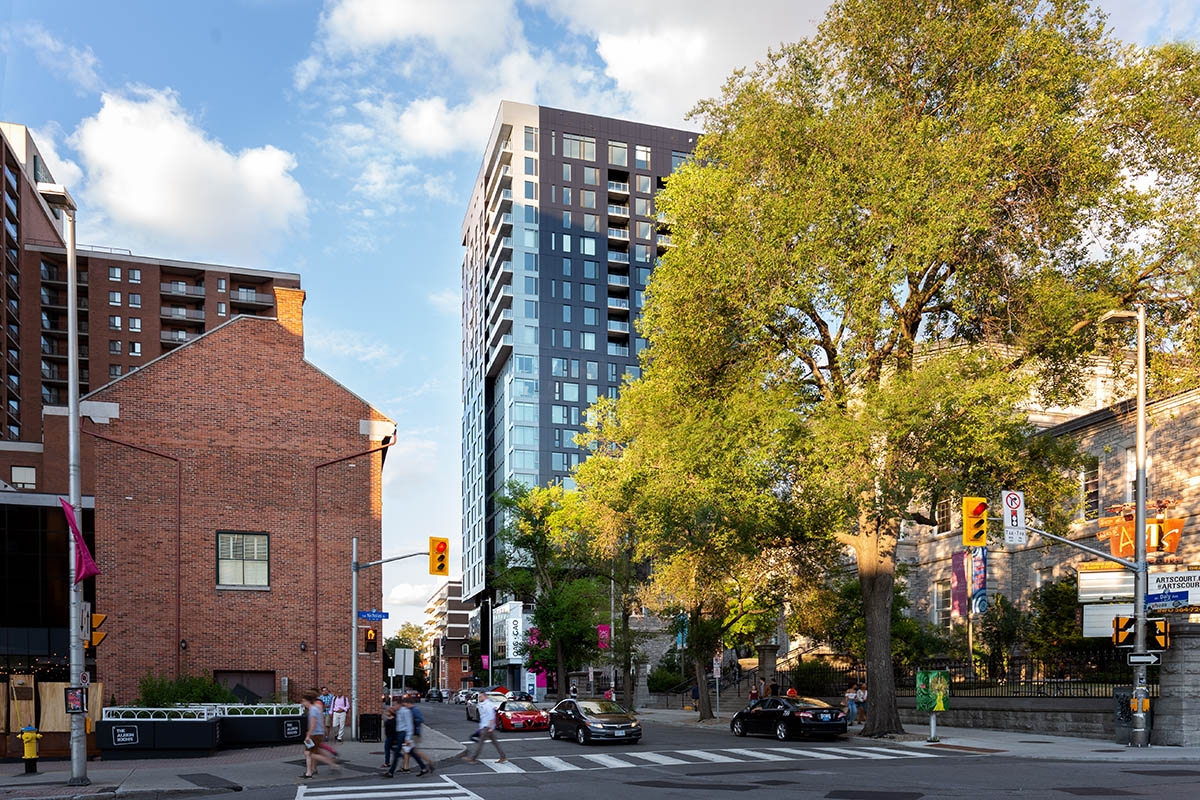
Ottawa isn’t one housing market. A condo near the LRT, a townhouse in Kanata, a semi in Vanier, and a detached home in Orleans can all tell a different story. The same budget can feel comfortable in one area and stretched in another.
Recent reporting on Ottawa’s spring housing market suggests buyers have had more room to think than they might have during hotter periods. That doesn’t make homes cheap, but it can give you space to compare options.
The average rent in Ottawa can take a serious bite out of your income, especially near transit, hospitals, universities, government offices, and downtown. Flexibility is useful, but it doesn’t always come with a bargain price.
What Buying Really Adds to Your Life
Buying can be a strong move when you’re ready. It can help you build equity, give you control over the space, and settle into a neighbourhood without wondering whether the landlord plans to sell. But ownership also adds responsibility, usually at inconvenient times.
Equity can help, but it takes time
Part of each mortgage payment goes toward owning more of the home. Over time, that can become a major part of your financial picture. If you plan to stay in Ottawa for several years, buying may give those upfront costs time to make sense.
If you expect to move soon, the math can look different. Legal fees, land transfer tax, repairs, and future selling costs can eat into the benefit of owning if you’re only in the home briefly.
Control comes with chores
Owning means you can paint, renovate, replace the kitchen, plant the garden, get the dog, and stop asking permission for small changes. That control feels good.
It also means you’re responsible when something breaks. The furnace doesn’t care that December is already expensive. If you buy, your budget needs room for those moments.
Stability is valuable, but so is choice
There’s comfort in knowing a home is yours. You can build routines, invest in the space, and feel settled. For others, renting is the better fit because it keeps life lighter. If your job, family plans, or preferred neighbourhood could change, renting may save you from locking into a home that stops fitting.
Use Your Real Week as the Test
A home that works on paper still has to work on a random Tuesday. Before choosing, think about how your housing choice will affect the life you live, not the version that exists during an open house.
Ask yourself:
• How long would your commute be in winter, not just on a sunny Saturday?
• Would you use the LRT often, or would you still need one or two cars?
• Do you need space for remote work, kids, guests, pets, or hobbies?
• Are schools, daycare, parks, groceries, or medical appointments part of your weekly routine?
• Would a yard make you happy, or would it become another job?
• Can you still save money after paying for the home?
Location has a cost. A cheaper home farther out may mean more gas, parking, traffic, and time. A smaller place closer to work or transit may cost more each month but give you back hours and lower some transportation costs.
Don’t Empty Your Cushion Just to Own
A down payment can feel like the finish line, but it’s the starting line. Once you buy, you still need cash for repairs, maintenance, furniture, moving, and the normal surprises life throws around.
If buying leaves you with almost nothing in reserve, the home may be affordable on paper but stressful to live in. A good budget should let you handle a repair without panic. It should also leave room for birthdays, groceries, savings, and the occasional night out without feeling like you’ve broken the whole plan.
Renting can support that breathing room too. If staying in a rental helps you save, pay down debt, build a down payment, or figure out where in Ottawa you actually want to live, it may be doing its job well.
Choose the Option That Leaves Room for Your Life
There’s no universal winner between renting and buying. Renting can be the smarter choice if you want flexibility, fewer surprise costs, or time to understand the city before planting roots. Buying can make sense if you’re settled, financially ready, and comfortable taking care of a property.
Look past the monthly payment and picture your next five years honestly. The right choice is the one that gives you a home without making the rest of your life feel smaller.
Disclaimer: This content is for informational purposes only and is not professional advice. We are not responsible for actions taken based on this information. Always consult a qualified professional.