Recommended Articles

Keeping twang dark is Bastards and the Buzzards’ specialty.

Film Review: Annabelle
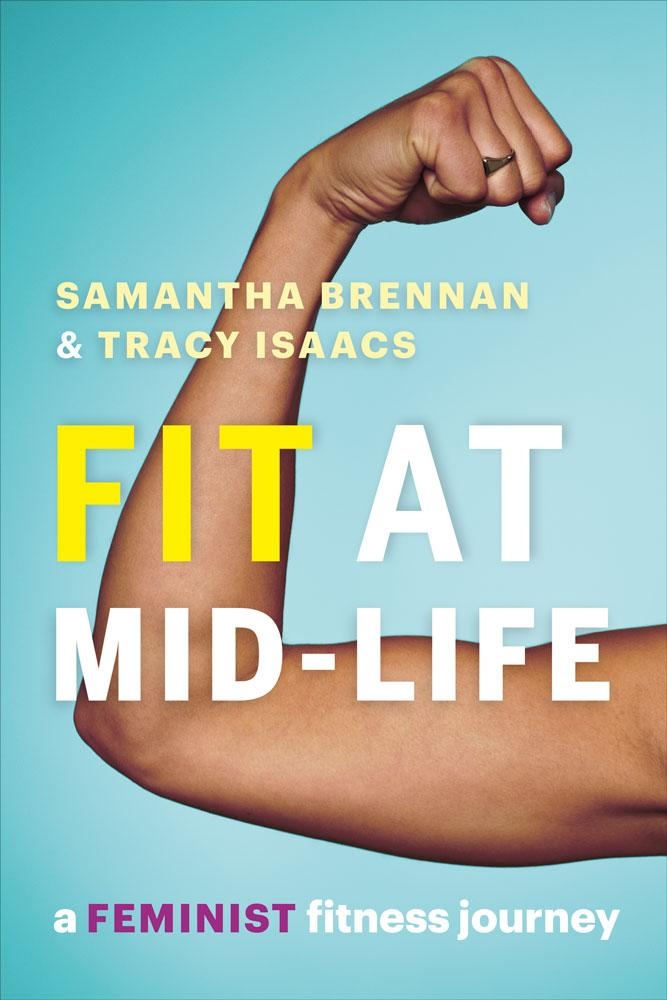
Book Review: Fit at Mid-Life



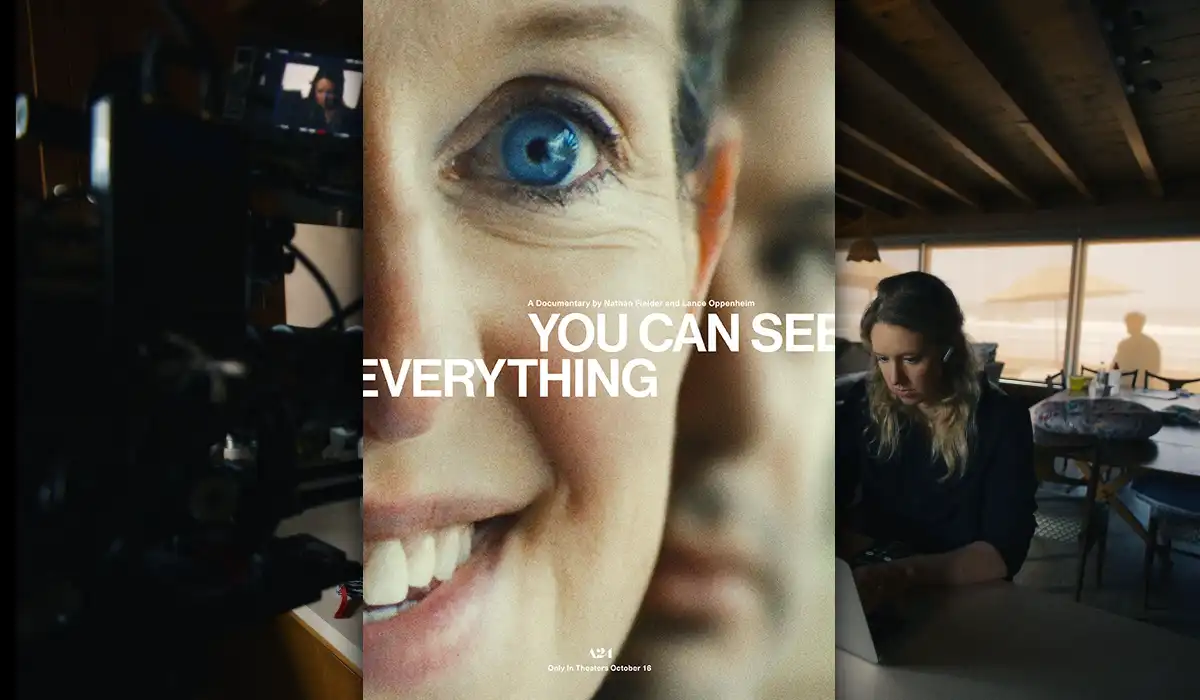
Synopsis: Thirty-four days before she’s sent to prison, notorious Theranos founder Elizabeth Holmes invites a skeptical film crew to document her every move. What begins as an intimate portrait becomes a mind-bending three-year journey.
Directors: Nathan Fielder, Lance Oppenheim
I first encountered Elizabeth Holmes years ago while watching a CBS News report in which she was being hailed as the next Steve Jobs. The Stanford University dropout had founded Theranos, a company that promised to run multiple blood tests from just a tiny sample using revolutionary technology. Investors flocked to Theranos, and Holmes was heralded as the youngest self-made female billionaire; she graced the covers of magazines like Forbes.
It seemed too good to be true.
It was.
She was exposed as a fraud. Theranos was not as above board as people thought, and it turned out that this phenom was a con. Many things, including her forced deep voice, turned out to be part of the carefully constructed image she presented to the world. In November 2022, Holmes was sentenced to just over 11 years in federal prison.
Thirty-four days before she was to report to prison (Why don’t some people have to go right away?), she and her husband, Billy Evans, invited filmmakers to document their lives.
Nathan Fielder and Lance Oppenheim accepted the invitation.
They headed to California, joining the couple at a rented beach house and observing their family in the final weeks before Holmes was sent off to prison.
With unprecedented access to Holmes, you would think this documentary would answer many of the questions that have remained unresolved. But Holmes turns out to be a frustrating subject at times. Her husband also becomes more of a focus than you might expect.
This film premiered at the 2026 Telluride Film Festival during a secret screening. It was made largely out of the public eye, and as the fall film festivals approached, it wasn’t on anyone’s radar. It sure is now.
This is a difficult film to discuss because there is so much to say, but so much of the conversation can fall under the heading of ‘Spoiler Talk’.
At just under three hours, this movie doesn’t feel long. In fact, it doesn’t feel long enough.
There are things that Fielder and Oppenheim do in this film that are nothing short of brilliant.
What makes You Can See Everything so fascinating is that it isn’t simply interested in revisiting the Theranos scandal. We already know the broad strokes of that story. We know the promises, the deception, and the consequences. What we don’t know is what happens when you put a camera in front of someone who has spent years carefully managing how the world sees them and give them an opportunity to tell their own story.
Does Holmes genuinely believe her version of events? Is she deliberately manipulating those around her? Is there a difference between the two? These are the questions that hang over the film, and the longer you spend with her, the more difficult they become to answer.
Fielder, best known for Nathan for You and The Rehearsal, brings a very particular sensibility to the proceedings. His work has always played with the uncomfortable space between reality and performance, and that approach is perfectly suited to a subject like Holmes. He isn’t simply observing from a safe distance. He becomes part of the story, and his interactions with Holmes and Evans often leave you wondering who is actually in control of the situation.
The result is frequently hilarious, deeply uncomfortable, and occasionally downright surreal. There are moments when you may find yourself laughing before realizing that you aren’t entirely sure whether you should be.
That uneasy feeling is part of what makes this documentary so effective. The filmmakers allow conversations to unfold in ways that feel almost impossible to believe, yet the knowledge that these are real people makes the experience all the more compelling. Rather than simply telling us what to think about Holmes, they invite us to watch, listen, and make up our own minds.
And then there is Evans.
While Holmes is undoubtedly the main attraction, her husband emerges as a surprisingly significant presence. His role in her life, his approach to managing her public image, and the way he interacts with the filmmakers add another layer to an already complicated story. The documentary extends beyond a single woman’s downfall, examining those around her, the narratives they shape, and the motivations behind controlling how a story is presented.
Just when you think you have a handle on what you’re watching, the film finds another way to challenge your assumptions.
The documentary makes some fascinating choices in its approach to the material. Fielder and Oppenheim aren’t content to simply assemble footage and let the facts speak for themselves. They experiment with the form, finding ways to explore conversations and moments that a conventional documentary might never capture. These decisions are bold, strange, and often inspired. They also make You Can See Everything feel unlike almost anything else you’ll see this year.
And yet, for all the access the filmmakers have, Holmes remains an enigma. You can spend hours watching someone and still have no idea what they truly believe. There is something deeply unsettling about that, particularly when the person in question has already been convicted of defrauding investors. The film doesn’t provide the definitive answers you want, but its refusal to offer easy conclusions is part of its power.
I expected You Can See Everything to be a fascinating look at one of the most infamous corporate scandals of the past decade, but it was something far stranger, funnier, and more thought-provoking than I anticipated.
This documentary is best experienced with minimal prior knowledge — the less you know, the better. There are developments that deserve to be discovered in the moment, and discussing them here would do them a disservice.
At nearly three hours, You Can See Everything is an extraordinary achievement. It is a documentary that continually makes you question what you’re seeing, what you’re hearing, and what you believe. It is also a reminder that access doesn’t necessarily equal understanding, and that sometimes the closer you get to a subject, the more elusive the truth becomes.
Fielder and Oppenheim have created one of the most unusual and engrossing documentaries I’ve seen in years. It is the kind of film that lingers in your mind long after the credits roll, and you’ll likely want to talk to someone about what you just watched.
Just make sure they’ve seen it first.
Grade: A