
• By: Allen Brown

Specifying Flooring in Multi-Zone Residences: Function Over Finish?

Choosing flooring in a home with multiple functional areas is not about what is trendy. It is about what performs. Hardwood flooring continues to outperform its competitors by balancing durability, aesthetic appeal, and adaptability. Whether it is traditional oak in the living room or engineered planks in a kitchen, hardwood remains the most reliable and refined choice.


Why Function Always Comes First?

The finish of a floor matters, but not more than how well the material performs in real conditions. Multi-zone homes require flooring that can meet a range of functional needs without compromise. Hardwood rises to this challenge. It is not only versatile and long-lasting but also elevates the value and comfort of every room.


What Are Multi-Zone Homes?

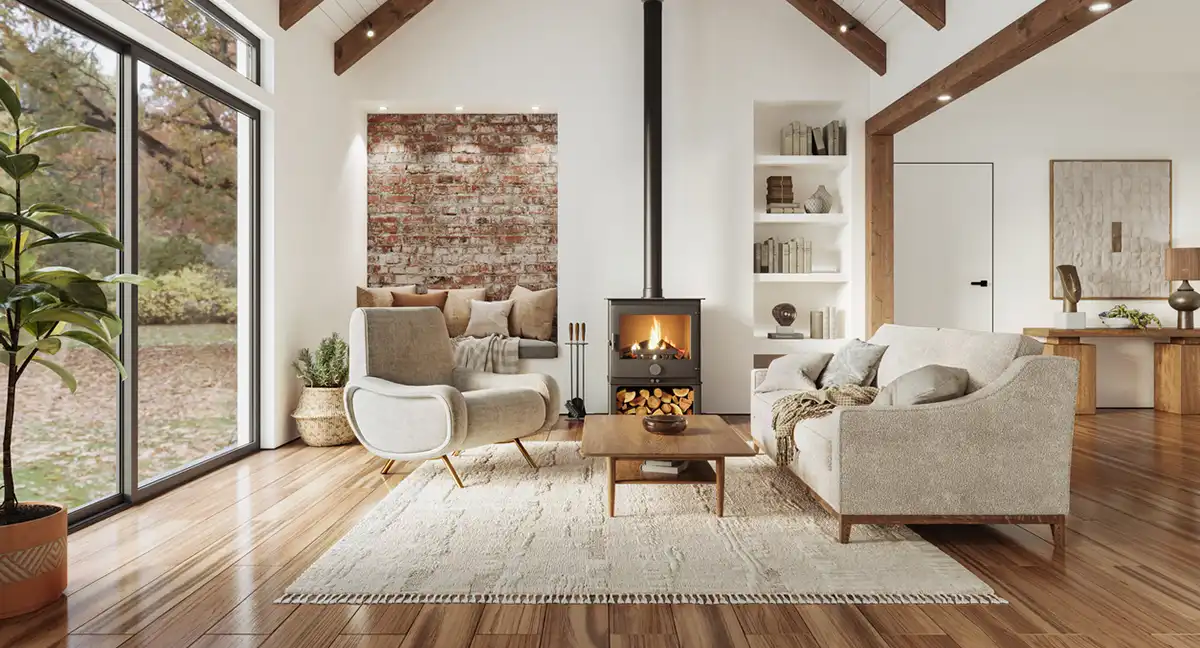
In today’s homes, space is used fluidly. Open layouts mean different rooms blend into one another. The flooring choice must support both transitions and contrasts. A consistent, durable material like hardwood provides this flexibility while maintaining cohesion throughout the house.


The Structure and Flow of Multi-Zone Homes

Modern homes are no longer rigidly compartmentalized. Instead, they embrace open layouts and interconnected zones that serve overlapping functions. Kitchens now flow into dining areas, living rooms extend into hallways, and bedrooms often double as office spaces. This structural flexibility demands flooring that can visually and functionally support seamless movement across the home. Hardwood flooring is particularly effective at maintaining this continuity without sacrificing the individuality of each space.

Multi-zone layouts often include transitional areas that bridge high-activity and low-activity zones. For example, a hallway may connect a bustling kitchen to a serene bedroom. Choosing a consistent hardwood species and finish across these areas reinforces design unity while allowing the natural grain of the wood to subtly differentiate zones. Transitions feel organic, and the house maintains a cohesive visual rhythm.

Another critical element is the vertical layering found in split-level or multi-story homes. These require flooring solutions that support traffic across stairs, landings, and secondary floors. Hardwood performs well in these contexts due to its durability and timeless appearance. Installing matching hardwood treads on stairs helps eliminate jarring shifts in material, promoting a smoother flow from one level to another.

Acoustic flow is another concern in multi-zone spaces, especially where shared activities occur in open-concept environments. Unlike tile or laminate, hardwood absorbs sound rather than amplifying it, contributing to a quieter, more comfortable atmosphere. This is essential in homes with active kitchens adjacent to work-from-home offices or nurseries. The ability of hardwood to mute footsteps and ambient noise enhances livability without compromising aesthetics.

Finally, the way natural light interacts with flooring materials plays a role in perceived space and flow. Hardwood reflects and diffuses light in ways that enhance warmth and depth, which is ideal for connecting spaces visually. While darker woods anchor communal zones like dining rooms, lighter tones in hallways and bedrooms create a feeling of openness and airiness. This strategic variation still falls within a unified material palette, preserving structural harmony throughout the home.

If you’re planning a multi-zone remodel or new build, choosing the right materials from a reputable flooring store ensures the continuity, performance, and quality necessary for success. Expert guidance can help match hardwood options to each zone’s practical demands while maintaining a cohesive aesthetic throughout.


Why One Floor Type Often Is Not Enough?

Using a single material across every room sounds simple, but often it leads to mismatched needs. However, hardwood flooring has the unique ability to meet different zone requirements when chosen and installed strategically.


Why Hardwood Flooring Might Be the Smartest Investment?

Hardwood flooring is not just a surface. It’s an investment in long-term value. Unlike synthetic alternatives, it ages gracefully and often adds to a home’s market appeal. Real estate data consistently shows homes with hardwood sell faster and at better prices.


Strength, Style, and Long-Term Performance

Whether you’re using solid oak, maple, or engineered wood, hardwood offers superior strength and an upscale appearance. Its ability to withstand wear, be refinished, and still maintain its luster gives it unmatched longevity.


Engineered Hardwood for Moisture-Sensitive Zones

In areas like kitchens or basements, engineered hardwood brings the look of solid wood with better moisture tolerance. It’s perfect for maintaining continuity throughout a home without compromising function.


Strategic Flooring by Room Type

Each room comes with different functional requirements. Hardwood flooring, particularly engineered hardwood, offers the adaptability to handle everything from moisture exposure to heavy foot traffic. Using hardwood strategically across your home ensures a seamless balance of utility and style.

Entryways That Set the Tone

First impressions matter. Entryways need resilient, stylish surfaces. Hardwood, treated with a protective finish, handles dirt and moisture better than softwoods or laminate. It sets an elegant tone right at the door.

Living Rooms That Feel Like Home

Living rooms are often high-traffic zones. Hardwood flooring adds warmth, style, and comfort underfoot. It works well with rugs and furnishings and elevates the overall atmosphere.

Kitchens With Elegance and Endurance

Kitchens require durable, easy-to-clean surfaces. Engineered hardwood is ideal here. It resists warping, handles occasional spills, and still looks like the real thing. It keeps your kitchen cohesive with adjacent living areas.

Bathrooms and Moisture Challenges

Traditional hardwood isn’t ideal in bathrooms due to moisture, but in powder rooms or low-humidity baths, it works with proper sealing. Alternatively, use engineered wood with waterproof core tech.

Bedrooms for Quiet Comfort

Hardwood adds tranquility to bedrooms. It’s quiet, clean, and healthy. Add an area rug for warmth and you’ve got a perfect retreat space with minimal upkeep.

Home Offices Built for Productivity

In the work-from-home era, your office flooring matters. Hardwood offers a professional look, low maintenance, and great acoustics for video calls. It resists chair casters and foot traffic too.


Comparing Flooring Options: Why Hardwood Leads

Compared to vinyl, tile, or laminate, hardwood wins in aesthetic appeal, resale value, and sustainability. It doesn’t imitate quality — it is quality. Hardwood flooring reflects craftsmanship, permanence, and timeless design.

Climate and Acoustic Variables

Sound and temperature control are vital in multi-zone homes. Hardwood absorbs ambient noise better than tile or laminate and provides superior thermal comfort. Engineered variants offer added dimensional stability in areas with climate variation.

Budgeting for Hardwood: Expense vs. Value

While the upfront cost of hardwood is higher, it delivers better long-term value. It lasts for decades, increases property appeal, and reduces lifecycle costs due to minimal replacement needs. Long-term, hardwood is more cost-effective than lower-end alternatives.


Installation Insights for Multi-Zone Layouts

Installing hardwood in homes with multiple zones involves more than aesthetics. Moisture barriers, acclimatization, and subfloor prep are critical. Choose qualified installers and always follow manufacturer guidelines to maximize performance and lifespan.


Avoiding Specification Pitfalls

Choosing the wrong wood species or finish can lead to problems. Avoid softwoods in high-traffic areas. Always assess the room’s purpose and conditions before selecting the hardwood type. Engineered options expand the usability of hardwood across zones.


Conclusion: Hardwood First, Everything Else Second

In multi-zone homes where each room serves a unique purpose, choosing the right flooring is critical. Hardwood delivers both performance and beauty without compromise. From high-traffic entryways to relaxing bedrooms, its adaptability, durability, and elegance make it the top recommendation for any room. When specifying flooring, always start with hardwood. The rest of the design will follow naturally.

Photo: Vasyl Cheipesh, iStock