
• By: Karen Temple

The Economics of Harm Reduction in Canada’s Tobacco and Vaping Policies

How healthcare costs and regulatory decisions intersect in 2026


Tobacco use continues to impose a significant economic burden on Canada’s healthcare system in 2026. With approximately forty‑six thousand deaths each year attributed to tobacco use and nearly one thousand deaths linked to second‑hand smoke, the financial and human costs remain substantial. As policymakers evaluate harm‑reduction strategies, including regulated vaping products and cessation support, economic considerations are increasingly central to the national conversation.

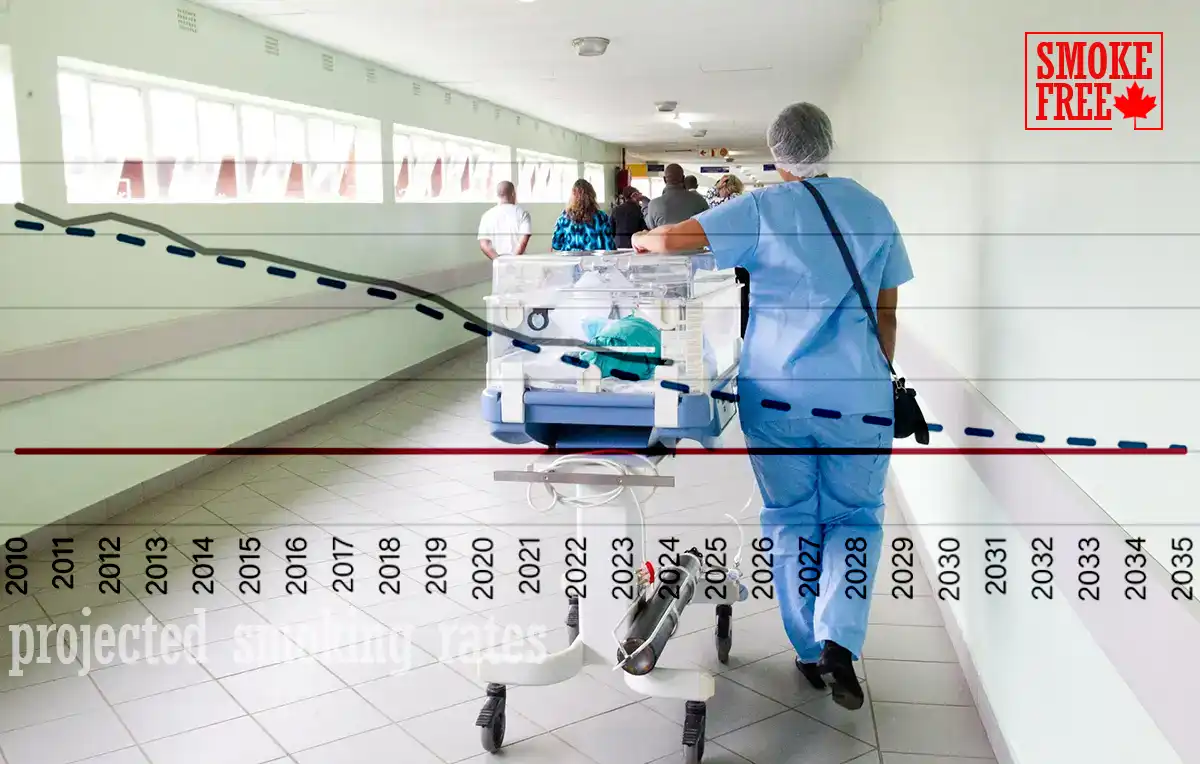
The 2026 progress report on Canada’s Tobacco Strategy provides a detailed assessment of the country’s progress toward reducing tobacco use to below five percent by 2035. The report notes that smoking prevalence continues to decline, with thirteen percent of Canadians reporting past‑thirty‑day use of any tobacco product. Reducing smoking rates is directly tied to reducing healthcare expenditures, as tobacco‑related illnesses remain among the most costly to treat.

Health Canada’s 2026 strategy emphasizes a dual approach that supports both cessation and harm reduction. The department acknowledges that while vaping products are not risk‑free, they expose users to fewer toxic substances than combustible cigarettes. This distinction has implications for long‑term healthcare costs, as reduced exposure may translate into lower rates of tobacco‑related disease. The strategy notes that helping Canadians quit or transition to less harmful alternatives remains a central component of reducing the economic burden of tobacco use.

Although the 2026 federal reports do not assign specific dollar values to potential cost savings, the economic rationale is clear. Fewer smokers lead to fewer tobacco‑related illnesses, which reduces strain on the healthcare system and lowers long‑term costs for provincial and federal budgets. The progress report underscores that harm‑reduction strategies, when combined with cessation supports, can contribute to meaningful reductions in healthcare expenditures.

Regulatory pathways play a significant role in shaping the economic impact of harm‑reduction products. The 2026 legislative review of the Tobacco and Vaping Products Act outlines several priorities that directly affect harm‑reduction strategies. These include strengthening enforcement of vaping product standards, enhancing compliance monitoring, increasing the use of artificial intelligence to detect violations, and improving collaboration with Indigenous communities and provincial partners. These measures aim to ensure that harm‑reduction products are regulated effectively, minimizing risks while supporting adult smokers seeking alternatives.

Youth protection also has economic implications. Preventing youth uptake of nicotine reduces future healthcare expenditures by preventing the onset of smoking‑related diseases. On May 20th Health Minister Marjorie Michel commented on youth vaping saying  that the Carney government, “is committed to helping people quit smoking and vaping and keeping tobacco and vaping products out of the hands of youth.” Effective youth‑prevention measures reduce long‑term costs by preventing early addiction and its associated health consequences.

The 2026 legislative review also highlights the importance of working with Indigenous communities to support self‑determined approaches to tobacco control. Addressing commercial tobacco use in Indigenous populations is essential for reducing health inequities and associated economic burdens. The review notes that culturally grounded approaches are necessary to support long‑term health improvements.

Health Canada’s 2026 strategy emphasizes the need for improved surveillance, research, and partnerships to guide future harm‑reduction policies. Strengthening scientific capacity will help policymakers better understand product trends, consumer behaviour, long‑term health outcomes, and economic impacts. This evidence‑based approach will shape regulatory decisions and resource allocation in the years ahead.

The economics of harm reduction in Canada are inseparable from the country’s broader public‑health goals. As smoking rates decline and harm‑reduction strategies evolve, policymakers are increasingly focused on the long‑term healthcare savings associated with reduced tobacco use. Canada’s 2026 regulatory framework, grounded in science, enforcement, and youth protection, positions the country to continue reducing both the human and economic toll of tobacco‑related disease.

Photo: Hush Naidoo, Jade Photography, Unsplash