The Magic of Sanibel Captiva Island—Where the People Make the Paradise

When you travel, the destination may lure you in—but it’s the people you meet along the way who give a trip its real sparkle. The smiling waiter, the ticket agent who sends you off with a joke, the shop clerk who treats you like an old friend… these are the magic-makers who turn a getaway into an unforgettable adventure. And in Florida, they’re everywhere you turn.

Part of that magic is simply organic. More than two million people have flocked to the Sunshine State since the pandemic, many bringing with them a natural warmth that fits right in. But it’s also intentional, says Tony Lapi, CEO of Sanibel Captiva Beach Resorts, which operates  ’Tween Waters Inn & Marina. “We are always trying to find good talent… We only want to hire the best.”

Lapi knows something about creating a welcoming world. He arrived on Sanibel Captiva in the 1970s from Rochester, New York, and many of his staff—like Nikki, the super-friendly bartender who greeted us at the pool bar—have been there for a decade or more. Their loyalty is honoured with a walkway brick etched with their name, a small tribute to the people who’ve helped shape the resort over the years.

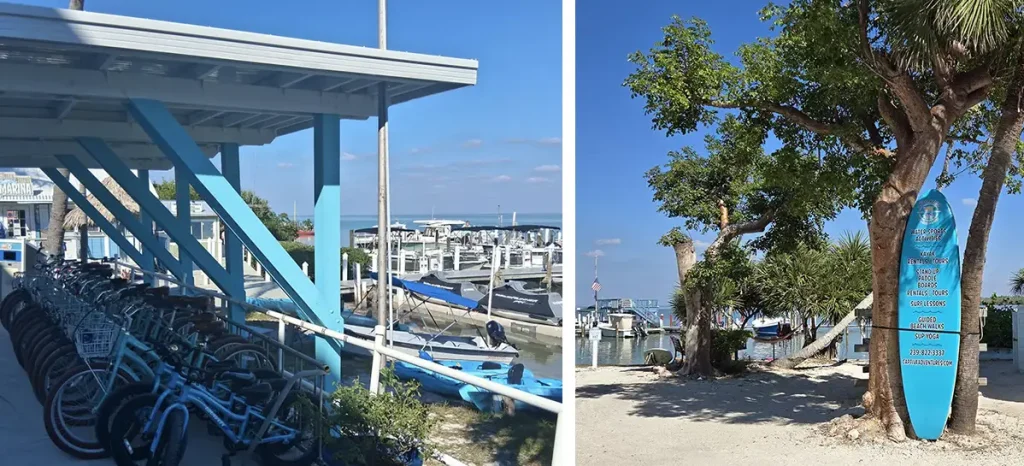
ABOVE: The Pine Island Sound side of ’Tween Waters offers guests a host of water activities and the use of resort bikes.

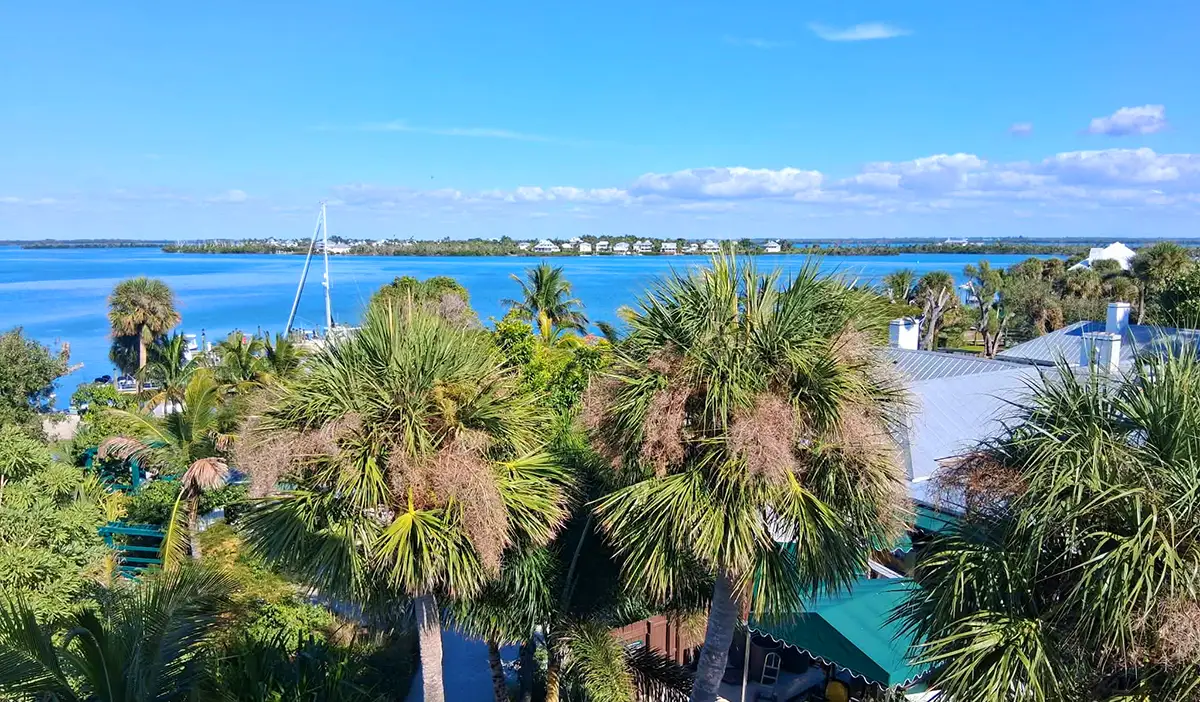
According to Lapi, who recently published a book about building the business on Captiva, not much has changed since he first arrived, “except the houses are a lot bigger”, he says with a laugh. The joint island of Sanibel Captiva, in Florida’s Gulf Coast west of Fort Myers, remains a sun-drenched, white-sand paradise, part of a region boasting 600 miles of natural shoreline and 50 miles of beaches.

On the northern Captiva end of the barrier island, the resort sits on a narrow stretch of land—hence the name ’Tween Waters—with the marina on one side and the beach on the other. It’s the kind of storied place families return to year after year, where young kids grow up, later return with partners, and eventually bring their own children. One European family has been vacationing there for 30 years and even invited Tony and his wife Angie to a family wedding.

The rooms, suites, and cottages are held each year for returning guests until they say otherwise. High season runs from mid-February through Easter, with weekend peaks in between. Summer brings weddings and family holidays, and while temperatures hover around 90 degrees, Tony explains that a steady westerly breeze keeps the heat comfortable and beaches busy.

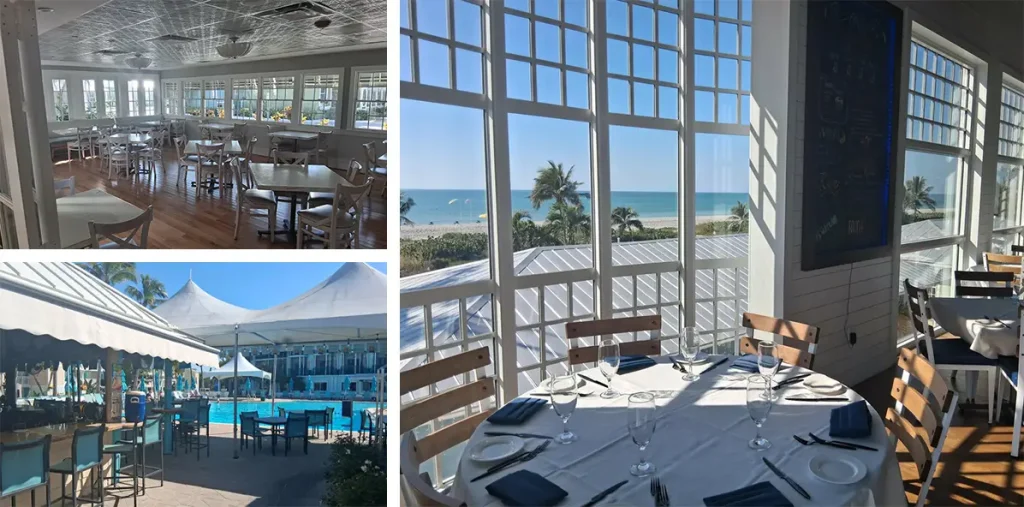
ABOVE: (CLOCKWISE) The original Old Captiva House restaurant offers a historic Florida feel. The second-floor Crow’s Nest Steakhouse has postcard-worthy views of the Gulf of Mexico. The pool and bar is a laid-back spot to get a drink or a bite to eat. 

If you’re more of a pool person, the geothermal pool stays warm in the winter and naturally cool in summer. Tennis courts, a spa, a coffee shop, pizzeria, and pool bar round out the experience. The resort has three restaurants: Old Captiva House, which occupies the original 1930s-era building; The Shipyard; and the Crow’s Nest Steakhouse, both on the second storey with westerly views, perfect for Florida’s signature sunsets, welcoming guests from across the islands.

The islands were hit hard by Hurricane Ian in 2022, a Category 5 storm whose 20-foot surge crashed over the reef island. In response, the federal government has been investing more than $30 billion to restore and “renourish” the beaches—dredging sand from the Gulf and using pre-storm satellite images to rebuild the shoreline locals and visitors love.

Visit our sister site, traveltrektour.com, to read the rest of the article: The Magic of Sanibel Captiva Island—Where the People Make the Paradise – Travel Trek and Tour